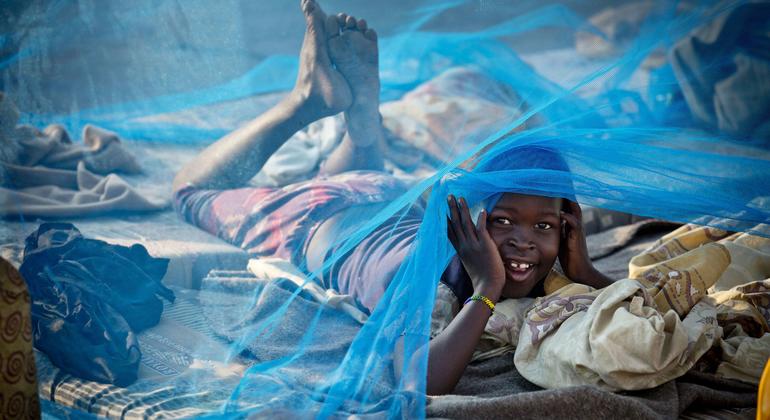
Malaria is a parasitic mosquito-borne disease that continues to pose a serious threat to global health, claiming the lives of hundreds of thousands of people each year, with young children and pregnant women in sub-Saharan Africa being the most vulnerable. The World Health Organization (WHO) has made significant progress in addressing malaria since 2000, saving an estimated 14 million lives worldwide and certifying 47 countries as malaria-free.
Despite these achievements, malaria remains a deadly concern, with over 280 million cases and more than 600,000 deaths reported in 2024, with 95% of cases concentrated in Africa, particularly in 11 countries. One major challenge to eliminating malaria is the emergence of drug resistance, with eight countries reporting confirmed or suspected resistance to antimalarial drugs, including artemisinin, a WHO-recommended treatment. The report emphasizes the importance of avoiding over-reliance on a single drug and improving surveillance and regulatory systems to combat drug resistance.
Underfunding is another significant barrier to malaria elimination, particularly in regions affected by conflict, climate inequality, and weak health systems. In 2024, only $3.9 billion was invested in malaria response, falling short of the WHO target. Overseas Development Aid (ODA) from wealthy countries has also decreased by around 21%, posing a risk of a resurgence of the disease without increased investment.
Dr. Martin Fitchet, the CEO of Medicines for Malaria Venture, emphasized the urgency of taking action to prevent the spread of malaria and develop new antimalarial drugs. He warned that malaria, while still preventable and treatable, may not remain so without proactive measures. Dr. Fitchet referenced the crisis caused by resistance to the drug chloroquine in the 1980s and 1990s, which resulted in millions of deaths, particularly among children.
The report highlights the need for increased surveillance and innovation in developing new medicines to stay ahead of the parasite and prevent a resurgence of drug-resistant malaria. The image accompanying the article shows vials of the malaria vaccine at a government cold storage facility in Lilongwe, Malawi, underscoring the importance of vaccination in combating the disease.
In conclusion, while progress has been made in the fight against malaria, the threat of drug resistance, underfunding, and inadequate surveillance systems continue to hinder efforts to eliminate the disease. Urgent action is needed to address these challenges, increase investment in malaria response, and develop new antimalarial drugs to ensure the long-term effectiveness of malaria control measures. Only through coordinated efforts and sustained commitment can the world hope to achieve the goal of a malaria-free future for all.