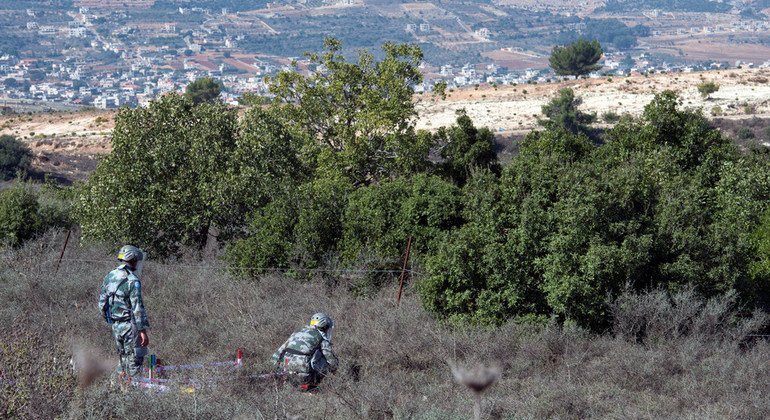
The conflict between Israel and Hamas in Gaza has had far-reaching consequences, particularly for the people living along the “Blue Line” between southern Lebanon and northern Israel. Since the start of Israel’s military operation in response to terror attacks by Palestinian armed groups in October 2023, nearly 200,000 people have been displaced from their homes. Another 150,000 individuals remain within ten kilometers of the UN-patrolled frontier in south Lebanon, where they are subjected to daily shelling and airstrikes.
Imran Riza, the UN Humanitarian Coordinator in Lebanon, spoke to journalists in New York via video link from Beirut about the dire situation facing the people in the region. He reported that in the past week alone, 130 civilians were killed in Lebanon, including 21 paramedics and at least three journalists. The ongoing hostilities have resulted in a significant loss of life and have created a challenging environment for humanitarian workers.
Riza emphasized the urgent need for an end to the hostilities and the implementation of a diplomatic political solution to the conflict. He stressed the importance of protecting civilians and humanitarian workers who are at risk of harm in the current volatile situation. Despite the difficulties faced by aid organizations, they continue to work tirelessly to provide assistance to those in need, both the displaced and those living in frontline areas.
Even before the conflict in Gaza, Lebanon was grappling with a series of crises, including political, financial, and socio-economic challenges. The war has only exacerbated these issues, leading to a further deterioration of the state’s ability to address the needs of its population. Riza noted that the conflict has devastated people’s livelihoods, disrupted essential services like water, electricity, and healthcare, and left many children and parents suffering from psychological trauma.
Humanitarian organizations have been able to reach about one million people in need so far this year, despite facing limited funding and access challenges. Riza highlighted the need for more resources and funding to continue providing assistance to those affected by the conflict. He estimated that approximately $110 million would be required between August and the end of the year to assist up to 290,000 conflict-affected people in Lebanon.
In addition to ongoing assistance, humanitarians are also preparing for the possibility of a further escalation in the conflict. They are calling for an additional $36.4 million to pre-position essential supplies like food, water, medicines, and non-food items in case of an emergency. The goal is to ensure that aid can be delivered quickly and effectively to those in need if the situation worsens.
The situation in Lebanon remains dire, with millions of people in need of assistance due to the conflict and its impact on the country’s already fragile infrastructure. The international community must step up and provide the necessary support to help alleviate the suffering of those affected by the crisis. It is crucial that efforts are made to end the hostilities and work towards a lasting peace in the region to prevent further loss of life and displacement of civilians.