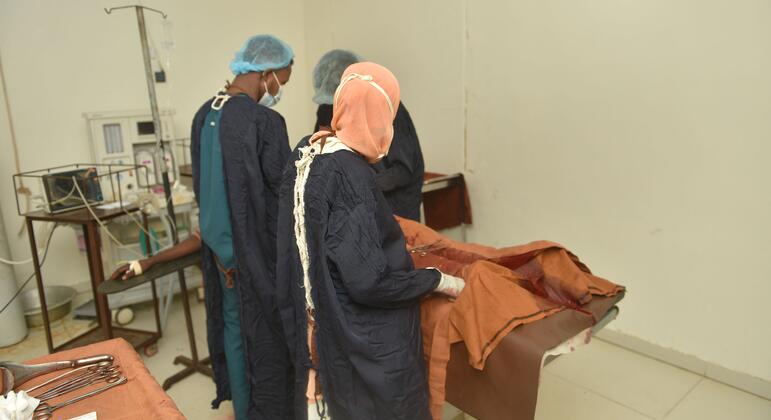
The El-Obeid Maternity Hospital in North Kordofan is facing a humanitarian crisis as tens of thousands of people flee the violence in South Kordofan, leaving many in urgent need of healthcare. Dr. Hasan Babikir, a doctor at the hospital, recounted a heartbreaking experience of having to watch two premature triplets die before his eyes due to a lack of intensive care beds.
The hospital is currently grappling with severe shortages of surgical and normal delivery equipment, antibiotics, surgical sutures, and gloves. Dr. Babikir highlighted the challenges faced by the medical staff, who are forced to purchase essential supplies from the market at exorbitant prices. The situation is further exacerbated by the influx of displaced people, with over 230,000 individuals seeking refuge at the hospital, most of whom are women and girls facing sexual violence, hunger, and a lack of healthcare.
Moreover, the city of El-Obeid has been subjected to frequent drone attacks, resulting in multiple strikes on health facilities that have claimed the lives of health workers and patients. The dire conditions at the hospital have led to a growing maternal health crisis, with maternal death rates on the rise due to prolonged waiting times and the lack of functioning emergency operating rooms.
Dr. Babikir lamented the lack of a neonatal intensive care unit at the hospital, which was only recently established with four beds that are constantly occupied. The need to expand capacity is urgent to save the lives of newborns and mothers. Midwife Laila Sarfo highlighted the challenges faced in delivering care, including the absence of tables for newborns and inadequate infection control equipment in the delivery rooms.
To address these challenges, the UN’s sexual and reproductive health agency, UNFPA, has stepped in to support the hospital. They have installed a solar power system to mitigate power outages, rehabilitated delivery rooms, and trained and deployed skilled health workers to assist with emergency obstetric and neonatal services. Despite these efforts, health workers at the hospital continue to face immense pressure and financial strain.
Senior midwife Insaf revealed that the salaries they receive are insufficient to cover basic necessities like transportation and meals during their shifts. Many times, women arrive at the hospital without the means to purchase essential delivery supplies, prompting the medical staff to pay for these items out of their own pockets. Despite these challenges, the dedicated health workers at the hospital are working tirelessly to provide care, with some midwives pulling 24-hour shifts to meet the overwhelming demand.
The prolonged civil war in Sudan has taken a toll on the population, with more than 33 million people affected by the conflict. Women, in particular, are bearing the brunt of the war, facing exhaustion and trauma from the violence and displacement. The El-Obeid Maternity Hospital stands as a beacon of hope in the midst of this crisis, providing critical healthcare services to those in need despite the challenges they face.
As the humanitarian situation in Sudan continues to deteriorate, it is imperative for the international community to step up support for the country’s healthcare system. Ensuring access to essential medical supplies, training healthcare workers, and expanding healthcare facilities are crucial steps to mitigating the impact of the conflict on the most vulnerable populations. The resilience and dedication of health workers like Dr. Hasan Babikir, midwife Laila Sarfo, and senior midwife Insaf serve as a testament to the unwavering commitment to saving lives in the face of adversity.