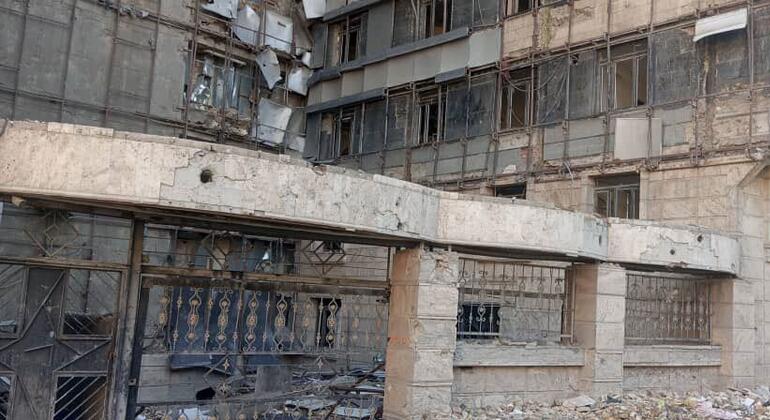
The Middle East has once again been rocked by deadly strikes, with reports of new attacks overnight and throughout Thursday. These incidents have not only caused chaos and devastation in the region but have also had a significant impact on global energy markets, leading to a surge in crude oil prices to $107 in early trading.
As the conflict continues to escalate, hopes for a swift resolution have dwindled. President Trump’s announcement of another “two to three weeks” of attacks, coupled with ongoing discussions with Tehran, suggests that the end of the hostilities is not yet in sight. The ongoing violence has resulted in widespread suffering and displacement of civilians across the region, further exacerbating the humanitarian crisis.
Speaking at UN Headquarters, the UN chief expressed grave concern over the escalating conflict, stating that it is already being felt everywhere and emphasizing the urgent need for the spiral of destruction to come to an end. The international community has been closely monitoring the situation, with the Security Council providing live coverage of the developments as they unfold.
The latest round of strikes has once again underscored the volatile and precarious nature of the geopolitical landscape in the Middle East. The region has long been a hotbed of tensions and conflicts, with various actors vying for power and influence. The current escalation in violence only serves to further destabilize an already fragile situation, with potentially far-reaching consequences for the entire region.
The conflict in the Middle East has far-reaching implications, not just for the countries directly involved but also for the global community as a whole. The spike in oil prices following the recent attacks underscores the interconnected nature of the world economy and the potential ripple effects of regional conflicts on the international stage.
The ongoing violence in the Middle East also raises serious questions about the efficacy of diplomatic efforts to resolve conflicts and prevent further bloodshed. Despite President Trump’s assurances of ongoing discussions with Tehran, the situation on the ground continues to deteriorate, with no clear path to de-escalation in sight. The international community must redouble its efforts to find a peaceful resolution to the crisis and prevent further loss of life and suffering.
As the conflict in the Middle East continues to unfold, it is important for the global community to remain engaged and informed about the latest developments. The Security Council’s live coverage of the situation provides a valuable source of information for those seeking to understand the complex dynamics at play in the region. By staying informed and actively supporting diplomatic efforts to resolve the conflict, we can all play a part in helping to bring about a peaceful and sustainable solution to the crisis.
The suffering and displacement of civilians in the Middle East are a stark reminder of the human cost of conflict and the urgent need for a lasting peace. The international community must stand in solidarity with those affected by the violence and work together to address the root causes of the conflict. Only through concerted and coordinated action can we hope to bring about a resolution to the crisis and prevent further bloodshed in the region.
In conclusion, the recent escalation of violence in the Middle East is a sobering reminder of the fragility of peace and the devastating consequences of conflict. The international community must redouble its efforts to find a peaceful resolution to the crisis and prevent further loss of life and suffering. By staying informed, engaged, and supportive of diplomatic efforts, we can all contribute to the quest for peace and stability in the region.