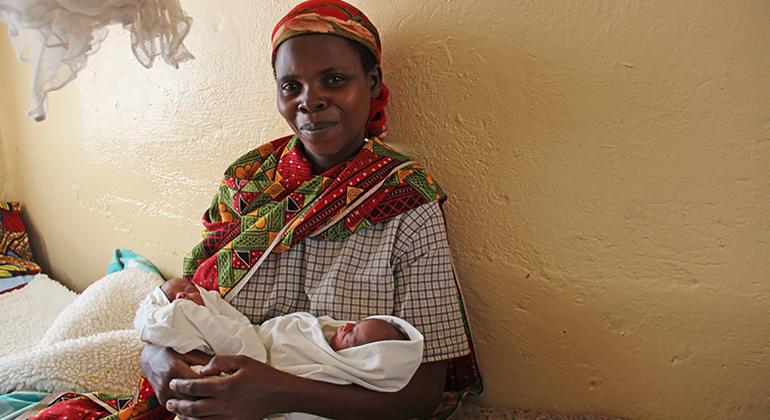
According to the World Health Organization (WHO), close to 300,000 women continue to die during pregnancy or childbirth each year, while more than two million babies die in their first month of life and around two million more are stillborn. These staggering numbers highlight the urgent need for action to improve maternal and newborn health worldwide.
The WHO has launched a year-long campaign called “Healthy beginnings, hopeful futures” to raise awareness about the preventable deaths of mothers and infants and to urge governments and health policy makers to prioritize efforts to end these unnecessary tragedies. The campaign aims to not only save lives but also ensure that both mothers and infants thrive by empowering healthcare professionals and providing crucial information about healthy pregnancies, safe childbirth, and postnatal care.
Access to high-quality, compassionate care is crucial for women and families everywhere, and health systems must evolve to address a wide range of health concerns, including obstetric complications, mental health issues, non-communicable diseases, and family planning. By focusing on meeting women’s needs before, during, and after childbirth, we can improve outcomes for both mothers and babies.
In addition to the challenges faced by women in accessing healthcare, the WHO also highlights the growing issue of women and girls caught in conflict zones. The proportion of women and girls affected by armed conflicts has increased significantly in the past year, with women now accounting for 40% of all civilian deaths in conflict situations. Over 600 million women and girls currently live in areas affected by violence, representing a 50% increase since 2017.
As conflict intensifies around the world, women and girls are bearing a heavy mental health toll. From Afghanistan to Gaza, Georgia, and Ukraine, millions are struggling with Post Traumatic Stress Disorder (PTSD), anxiety, depression, and trauma, with limited access to support and care. It is estimated that one in five people affected by a humanitarian crisis will develop long-term mental health conditions, yet only two percent of those in need receive the care they require. Mental health funding globally represents only one to two percent of health spending, highlighting the urgent need for increased investment in mental health services.
The disparity in mental health services between high and low-income countries is stark, with wealthy nations having more than 70 mental health workers for every 100,000 people, compared to fewer than one in low-income countries. As conflicts continue to drag on, the number of women affected by mental health issues continues to rise, making this crisis even more urgent. UN Women has conducted interviews with women in conflict-affected areas to better understand how these conflicts are exacerbating mental health challenges.
In response to the mental health crisis faced by women in conflict zones, organizations like the United Nations Population Fund (UNFPA) have deployed mobile psychosocial support teams to provide immediate emergency interventions and longer-term assistance to those in need. These efforts are crucial in addressing the mental health needs of women and girls affected by conflict and ensuring they receive the care and support they require.
Overall, the challenges facing women in accessing healthcare and mental health services in conflict zones are immense, but with increased awareness, funding, and support, we can work towards improving the health and well-being of mothers and infants worldwide. It is essential that governments, policymakers, and healthcare providers prioritize efforts to end preventable maternal and newborn deaths and ensure that every woman and baby has the opportunity to survive and thrive.