The situation in the Democratic Republic of the Congo (DRC) remains dire as clashes between M23 fighters and the Congolese army have left the provincial capital of Goma in chaos. According to UN agencies, the internet is down in Goma, leaving only mobile phone networks functioning. The M23 fighters are reportedly in control of a significant portion of the city, making it difficult for aid teams from the World Health Organization (WHO) to provide support to hospitals and other essential services.
Dr. Boureima Hama Sambo, the WHO Representative in DRC, described the situation as a nightmare for public health. He expressed concern for the vulnerable people in Goma who are in desperate need of assistance. The lack of running water and electricity, as well as the presence of armed fighters, has left civilians, including health professionals, trapped in the city.
Speaking to UN News, Dr. Sambo emphasized the urgent need for the situation to return to normal so that aid workers can reach those in need. He highlighted the suffering of the people caught up in the violence, describing it as unimaginable. The Deputy Special Representative for Protection and Operations in the UN Stabilization Mission in the DRC, Vivian van de Perre, called for urgent and coordinated international action to stop the fighting and protect civilians in Goma.
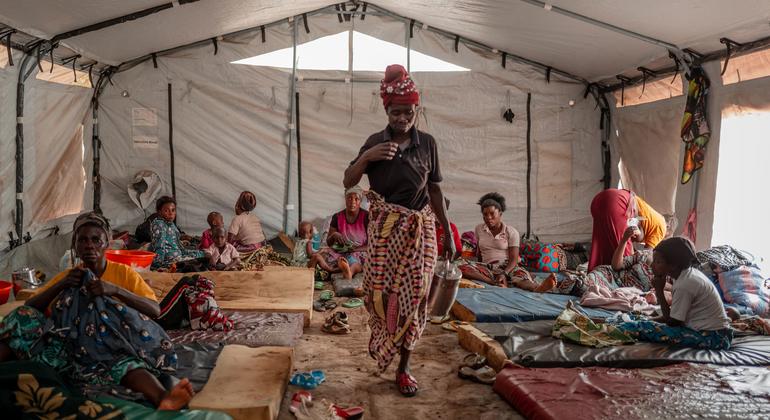
Before the M23 fighters closed in on Goma, over 700,000 internally displaced people were living in camps around the city. However, in anticipation of the clashes, hundreds of thousands fled the area, raising concerns about the further spread of disease. The WHO official noted that the ongoing outbreaks of disease in North and South Kivu, two mineral-rich regions near the Rwanda border, are exacerbated by the mass displacement of people in the area.
The displacement of populations in the DRC has created ideal conditions for the spread of endemic diseases in camps and surrounding communities. Diseases such as cholera, measles, and malaria have been prevalent in the region, with thousands of cases reported each year. In 2024, WHO Director General Tedros Adhanom Ghebreyesus declared the mpox outbreak a public health emergency of international concern.
Despite efforts to respond to the mpox outbreak, Dr. Sambo expressed concern that patients had fled treatment centers in camps and were now living in host communities. This raises fears of the disease spreading further within the population. The lack of access to healthcare and the ongoing violence in the region are hindering efforts to contain the outbreak and provide necessary medical assistance to those affected.
The international community has been called upon to take urgent action to address the deteriorating situation in Goma and the surrounding areas. Humanitarian organizations are struggling to deliver aid to those in need, and the continued fighting between rebel groups and government forces is exacerbating an already dire humanitarian crisis. The people of the DRC are in urgent need of assistance and protection to prevent further suffering and loss of life.