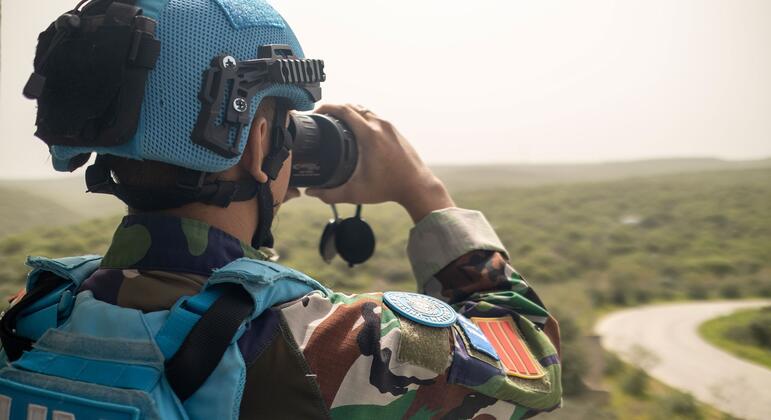
The ongoing hostilities between Israel and Hezbollah fighters have sparked concerns about the safety of peacekeepers in the region, with recent incidents involving drones detonating near a United Nations Interim Force in Lebanon (UNIFIL) headquarters in Naqoura.
The warning came amid a ceasefire that began on 17 April, but tensions have continued to escalate, leading to multiple incidents involving drones near the UNIFIL headquarters. On Monday, 11 May, between 5pm and 5.30pm, three presumed Hezbollah drones detonated in an area where Israeli security forces soldiers may have been present, within meters of the UNIFIL headquarters. This raised concerns about the safety of peacekeepers and the potential for further escalation of violence in the region.
In a statement, UNIFIL reported that another drone detonated in the same area on Tuesday 12 May, followed by a presumed Hezbollah drone detonating inside the UNIFIL headquarters a few minutes later. While no injuries were reported, some buildings were damaged in the blasts. Additionally, on the evening of Sunday 10 May, an unarmed drone crashed in an open area inside the UNIFIL headquarters, further raising concerns about the presence of drones in the area.
Preliminary findings indicated that the drones were made in Iran, suggesting that they had been launched by Hezbollah. This has heightened tensions in the region and raised concerns about the potential for further conflict between the two parties.
UNIFIL reiterated its call for all actors to avoid operating near United Nations positions and personnel, and to refrain from any action that could endanger peacekeepers. The mission specifically protested the presence, activities, and movement of Israeli security personnel and vehicles near UNIFIL headquarters, as well as the activities of non-State actors near UN positions to the Lebanese Armed Forces.
According to Lebanese authorities, Israeli strikes have killed more than 380 people since the ceasefire began. The overall toll from Israeli strikes since 2 March, when war erupted shortly after Israel-US bombing of Iran began, has now reached more than 2,880 people, including 279 women and 200 children. These numbers highlight the devastating impact of the conflict on civilians in the region and the urgent need for a peaceful resolution to the ongoing hostilities.
In southern Lebanon, two airstrikes on Tuesday reportedly destroyed several buildings in the village of Sohmor in Bekaa governorate, following displacement orders issued overnight for the entire village. The attacks continue to impact healthcare and essential civilian services, with reports of a strike on Monday that hit a volunteer-run medical center affiliated with the health authority in Srifa, in the South governorate, killing one medic and injuring five others.
Earlier the same day, another medic was killed in Toul, in the Nabatiyeh governorate, while assisting victims following a strike. These incidents highlight the dangers faced by healthcare workers and civilians in the region, as the conflict continues to escalate and impact the lives of innocent people caught in the crossfire.
The ongoing hostilities between Israel and Hezbollah fighters have led to a humanitarian crisis in southern Lebanon, with reports of airstrikes destroying buildings and displacing entire communities. The toll on civilians, including women and children, is staggering, with thousands of people killed or injured since the conflict began in March.
The international community must take urgent action to address the root causes of the conflict and work towards a peaceful resolution that ensures the safety and security of all those affected by the hostilities. UNIFIL’s call for all actors to respect the safety of peacekeepers and refrain from actions that could endanger civilians is crucial in preventing further escalation of violence and protecting the lives of innocent people in the region.
As the situation in southern Lebanon continues to deteriorate, it is essential for all parties involved to prioritize the protection of civilians and adhere to international humanitarian law. The use of drones and airstrikes in densely populated areas poses a significant risk to the safety and well-being of innocent people, and must be addressed through diplomatic means and dialogue to prevent further loss of life and destruction in the region.
The international community, including the United Nations and other relevant stakeholders, must work together to support efforts towards a lasting ceasefire and sustainable peace in the region. The safety and security of civilians and peacekeepers must be the top priority in any efforts to address the ongoing conflict and prevent further loss of life in southern Lebanon.