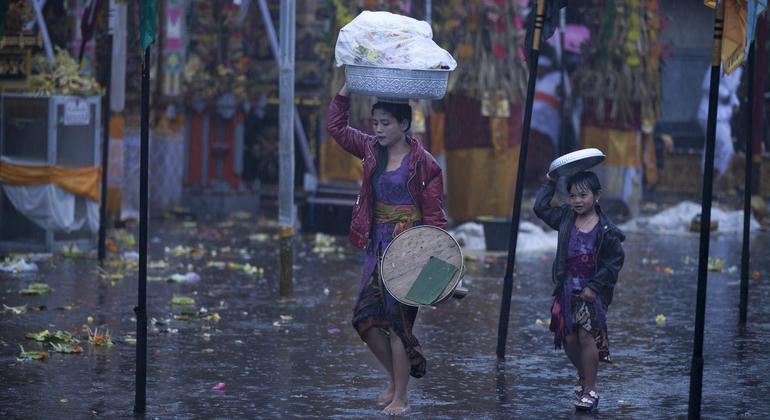
The importance of early childhood development was highlighted during a recent discussion by the High Commissioner for Human Rights. He emphasized that 80 percent of the human brain is formed in the first three years of life, making investments in early childhood one of the smartest ways to achieve sustainable economic development. Studies have shown that the economic return on such investments can be up to 13 times the amount initially put in.
The High Commissioner cited successful programs such as South Africa’s Child Support Grant and Brazil’s Bolsa Familia program as examples of initiatives that help ensure that children born into challenging circumstances have their essential needs covered. These programs play a crucial role in providing support to children in need and helping them thrive despite difficult circumstances.
In addition to physical needs, the High Commissioner also highlighted the importance of addressing virtual threats to children. Many children lack the tools to stay safe online, and access to food, basic sanitation, and clean drinking water remains unequal across the world. Shockingly, two in five children lack access to even basic sanitation, highlighting the urgent need for action to address these disparities.
Climate change was also identified as a significant threat to children’s well-being, with projections indicating that in the next 30 years, eight times as many children could be exposed to extreme heat waves and twice as many to extreme wildfires. These environmental challenges pose a serious risk to children’s health and safety, underscoring the need for urgent action to mitigate the impacts of climate change.
Dr. Najat Maalla M’jid, Special Representative of the UN Secretary-General on violence against children, emphasized the broader societal benefits of early childhood development. She highlighted that even the youngest and most vulnerable children have rights, including the rights to development, protection, and participation as outlined in the UN Convention on the Rights of the Child.
The discussion also addressed the issue of children with disabilities or from minority groups who often lack access to supportive early child development services. In addition, children in poor or emergency settings face significant barriers to accessing the care and support they need for healthy development. Dr. M’jid stressed the importance of embedding early child development programs in humanitarian responses to ensure that all children have access to the support they need.
The importance of parenting and family support in a child’s early years was also highlighted during the discussion. A 13-year-old child rights advocate named Vlad emphasized that raising a child is not like a math test that can be retaken if done incorrectly the first time. He emphasized the crucial role that parents, family, and the community play in supporting a child’s development in their first year of life.
Overall, the discussion underscored the critical importance of investing in early childhood development to ensure that all children have the opportunity to thrive and reach their full potential. By prioritizing the needs of children in their early years, societies can build a strong foundation for future generations and create a more equitable and prosperous world for all.