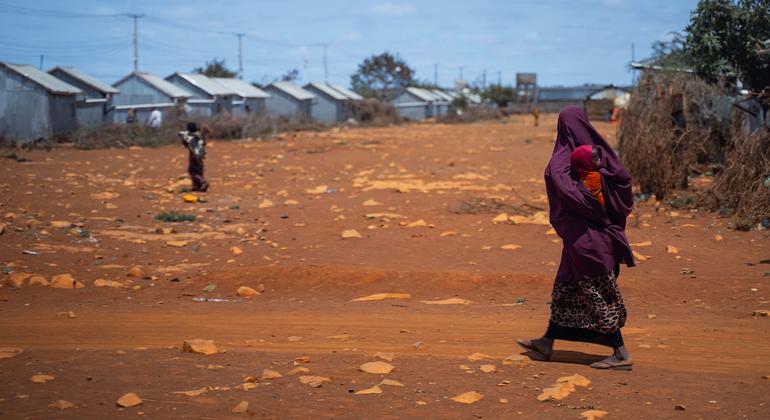
The situation in Somalia has reached a critical point, with more than 4.6 million people, roughly a quarter of the population, impacted by the ongoing crisis. Local authorities have reported that at least 120,000 people were displaced between September and December, as water prices soar, food becomes increasingly scarce, livestock die, and livelihoods collapse. The situation has also forced more than 75,000 students nationwide to drop out of school.
The upcoming dry season from January to March is expected to worsen the drought conditions in the country, according to the Office for the Coordination of Humanitarian Affairs (OCHA). This could lead to increased water scarcity, more livestock deaths, and greater food insecurity in many parts of Somalia. Authorities are appealing for urgent assistance to prevent a possible collapse of pastoral and farming livelihoods and to avoid unnecessary loss of life. The next four months are crucial, as the next rainy season is not expected until April 2026.
The UN and its partners are mobilized to support assessments, map available supply stocks, and coordinate emergency responses across various sectors including water, food, nutrition, health, and shelter. Humanitarian efforts are focused on providing cash assistance, animal fodder, and rehabilitating boreholes, while also assessing the severity of the situation in field locations and reviewing resources for early action. However, these efforts are severely hampered by significant funding shortfalls.
In response to the crisis, UN Emergency Relief Coordinator Tom Fletcher allocated $10 million from the Central Emergency Response Fund (CERF) to provide timely assistance in Somalia. However, more support is urgently needed to address the growing humanitarian needs in the country. The $1.4 billion humanitarian response plan for Somalia has only received about $370 million as 2025 comes to a close, leaving critical gaps in lifesaving programs.
The situation in Somalia is dire, with millions of people struggling to survive in the face of drought, food insecurity, and displacement. The impact of the crisis is far-reaching, affecting various aspects of daily life for the population. As the dry season approaches, the situation is expected to worsen, putting even more lives at risk.
Efforts are being made to address the immediate needs of the affected population, including providing essential supplies and support in key sectors such as water, food, and health. However, without adequate funding and resources, these efforts may fall short of what is required to effectively address the crisis in Somalia.
The international community must come together to provide the necessary support and resources to help the people of Somalia weather this crisis. It is essential that humanitarian organizations receive the funding they need to continue their lifesaving work and prevent further suffering in the country.
As the situation continues to deteriorate, it is crucial that urgent action is taken to address the growing needs of the population in Somalia. The time to act is now, before more lives are lost and the situation becomes even more dire. With the support of the international community, we can work together to provide the necessary assistance and resources to help the people of Somalia rebuild their lives and overcome this crisis.