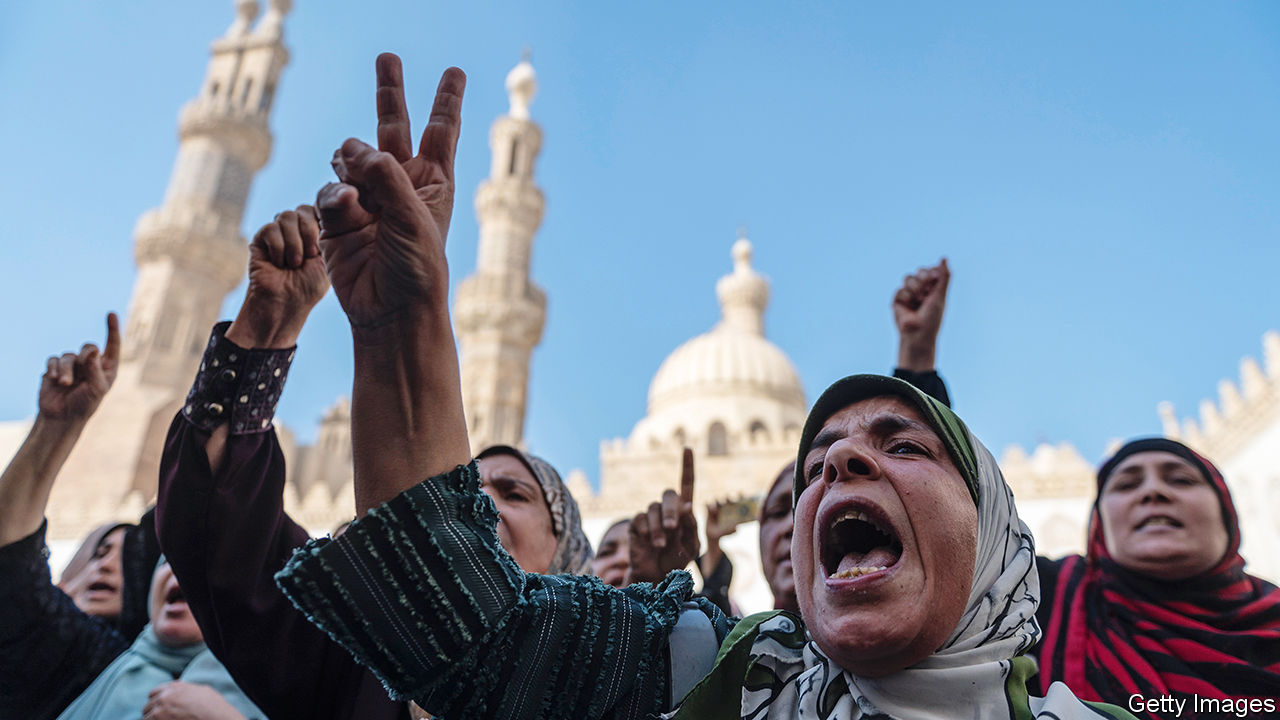
The recent violence in Gaza has reignited old stereotypes and strained relations in the Middle East. The conflict has radicalized and horrified the Muslim world, with many blaming Israel and its Western allies for the destruction and displacement in Gaza. This has raised concerns about the future of political Islam and the potential for a resurgence of extremism.
In recent years, Muslim attitudes towards religion have shifted, with a trend towards depoliticization and a more personal quest for spirituality. This is evident in countries like Iran, where a poll found that about half of respondents had lost or changed their religion, and interest in non-Muslim faiths is growing. The influence of clerics has also waned, with many being criticized for greed and hypocrisy.
There have been social and cultural reforms in many Muslim countries, including increased religious tolerance and greater gender equality. However, political Islam has faltered due to its failure to address economic issues and improve living conditions in the countries where it held power. This has led to a rejection of political Islam and a demand for civil states in countries like Algeria, Iran, Iraq, Lebanon, Sudan, and Tunisia.
The war in Gaza could have implications for the future of political Islam. It may lead to the emergence of a new generation of extremists, especially in countries facing economic instability and poor governance. While governments in the Middle East are trying to suppress any resurgence of political Islam, it is important to remain vigilant and address the root causes that fuel extremism. Healing the rift between Israel and the Palestinians and addressing socioeconomic issues are crucial steps to prevent the spread of extremism and promote a more peaceful and tolerant Middle East.