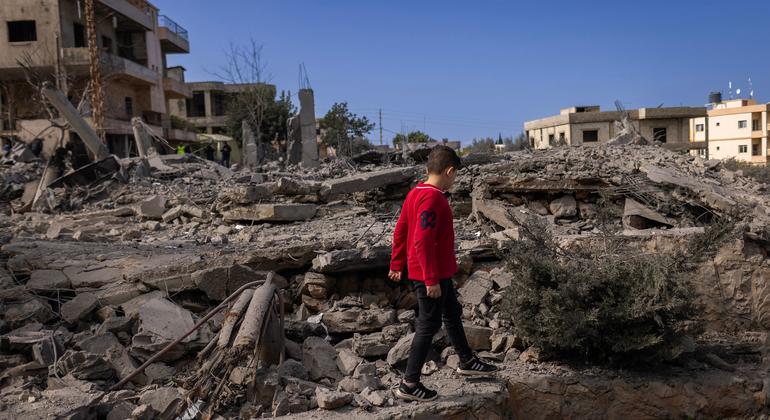
The humanitarian crisis in Lebanon has reached alarming levels, with approximately 110,000 people displaced within the country since October. Among them, 35 percent are children, highlighting the vulnerability of the most innocent victims of conflict. Additionally, it is estimated that nearly 150,000 people remain within the 10-kilometer Blue Line, facing an uncertain and precarious situation.
The situation worsened following the Hamas-led terror attacks on October 7, which triggered a series of violent incidents and hostilities. According to the World Health Organization (WHO), there have been 16 recorded attacks on healthcare facilities, resulting in the tragic deaths of 21 paramedics. This further highlights the dire consequences of conflict on the healthcare system and the essential workers who are on the frontlines of providing critical services to those in need.
One of the most concerning aspects of the crisis is the impact on food security in southern Lebanon. The region has suffered severe damage to essential infrastructure such as water, electricity, telecoms, and roads, leaving 23 percent of the population food insecure. This represents a significant increase from the 19 percent reported in March of the same year, underscoring the growing challenges faced by the people of Lebanon.
In response to the escalating crisis, humanitarian organizations and their partners have been working tirelessly to provide relief and support to those affected. However, the scale of the crisis and the urgent needs of the population require additional funding and resources. UN Deputy Spokesperson Farhan Haq emphasized the critical need for $110 million to sustain ongoing response efforts for conflict-affected people until the end of the year.
The 2024 Lebanon Response Plan, aimed at addressing the multifaceted needs of the population, is only 25 percent funded, with a shortfall of $2.05 billion. This funding gap highlights the urgent need for increased support from the international community to ensure that relief efforts can reach those most in need.
Mr. Haq also stressed the importance of all parties involved in the conflict respecting their obligations under international humanitarian law. He reiterated the fundamental principle that civilians and civilian infrastructure must be protected at all times, emphasizing the need for accountability and adherence to international norms and standards.
Meanwhile, the conflict in Ukraine and Russia continues to escalate, with Ukrainian troops reportedly conducting a major incursion into Russian territory. Ongoing attacks in various regions, including Donetsk, Kharkiv, Kherson, and Sumy, have resulted in civilian casualties, damage to homes, schools, and critical infrastructure, as well as disruption to aid distribution efforts.
Secretary-General António Guterres expressed deep concern for the safety and well-being of civilians in eastern Ukraine and along the contested border areas, including the Kursk and Belgorod regions of Russia. He called on all parties involved in the conflict to prioritize the protection of civilians and civilian infrastructure, underscoring the importance of upholding international humanitarian law and ensuring accountability for violations.
The newly-appointed Humanitarian Coordinator for Ukraine, Matthias Schmale, extended his condolences to the families of aid workers killed in Kherson, emphasizing the need for protection for all humanitarian personnel working in conflict zones. Efforts to provide emergency humanitarian assistance to frontline communities and displaced populations continue, with aid organizations working alongside local authorities and first responders to address the evolving needs of the affected populations.
In Sumy alone, the UN and its partners have registered 1,800 evacuees for multi-purpose cash assistance in the past nine days, reflecting the urgent need for financial support to help those in crisis. In July, over $3 million in multi-purpose cash assistance was disbursed to more than 10,000 people in Donetsk and Sumy, demonstrating the impact of targeted humanitarian interventions in alleviating suffering and meeting critical needs.
Despite the challenges and complexities of the crises in Lebanon, Ukraine, and Russia, humanitarian organizations remain committed to providing assistance and support to those affected by conflict and displacement. The international community must step up its efforts to address the urgent needs of vulnerable populations and ensure that humanitarian principles and values are upheld in all actions and interventions.