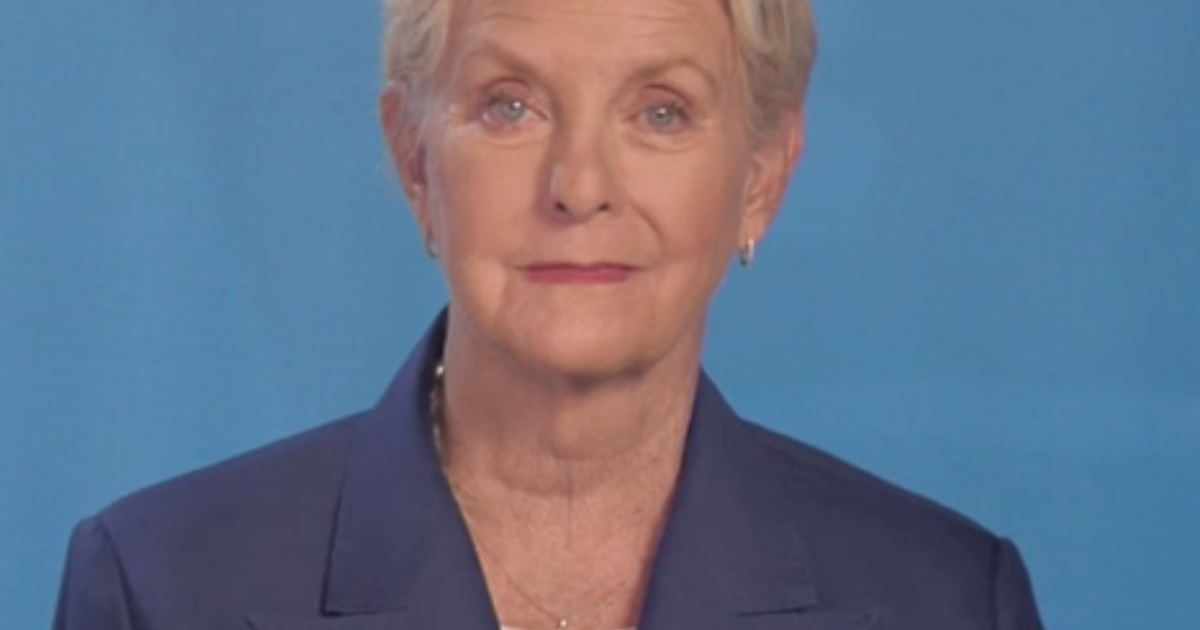
Cindy McCain, the executive director of the U.N. World Food Programme, recently sat down for an interview on “Face the Nation with Margaret Brennan” to discuss the current state of global hunger and the challenges faced by her organization in providing food assistance to those in need. The interview, which took place on May 29, 2026, shed light on the alarming increase in the number of people seeking urgent food and livelihood assistance around the world.
Margaret Brennan began the interview by acknowledging the overwhelming amount of work that McCain and her team have on their plate, especially considering the record high number of individuals in need of food assistance. She noted that it is only May, yet the data shows a troubling trajectory in terms of food insecurity and the ability to provide aid at scale. McCain confirmed Brennan’s concerns, stating that the World Food Programme has only received half of the necessary funding to feed the growing number of hungry people worldwide.
When asked about the reasons behind the funding shortfall, McCain pointed to a combination of factors, including cuts in funding from the United States and a global trend of reduced support for humanitarian efforts. She explained that many countries are turning inward and reallocating resources to domestic needs, which has had a detrimental impact on international aid organizations like the World Food Programme. McCain emphasized the urgent need for countries and private sector entities to step up and contribute to addressing the crisis, as the consequences of inaction could result in even more severe famines in the near future.
Brennan shifted the conversation to the emergency response to the Ebola outbreak in the Democratic Republic of the Congo, a country already grappling with a large population of food insecure individuals. McCain highlighted the dire situation on the ground, noting that the outbreak has had a devastating impact on the local population and has created significant challenges for emergency responders. Despite the efforts of organizations like the World Food Programme and the World Health Organization, the scale of the crisis is overwhelming, and the true extent of the impact is still unknown.
As the interview continued, McCain stressed the importance of collective action in addressing global hunger and preventing further humanitarian crises. She called on governments, private sector companies, and individuals to come together to provide the necessary resources and support to ensure that vulnerable populations receive the food and assistance they desperately need. McCain expressed gratitude for the increased involvement of private sector partners and corporations in recent efforts but emphasized that a unified and comprehensive approach is essential to effectively address the growing challenges of food insecurity and famine around the world.
The interview with Cindy McCain shed light on the urgent need for increased funding and support for food assistance programs in the face of a worsening global hunger crisis. As the number of people in need of food aid continues to rise, it is clear that a coordinated and collaborative effort is required to meet the growing demand and prevent further suffering and loss of life. The World Food Programme, along with other humanitarian organizations, plays a critical role in providing essential assistance to those most in need, but without adequate resources and support, the ability to effectively address the crisis remains in jeopardy. It is imperative that world leaders, businesses, and individuals come together to prioritize food security and ensure that no one goes hungry in a world of plenty.