Lawmakers in Washington are gearing up for a high-stakes battle as they return to Capitol Hill after a lengthy August recess. With just three weeks to avert a government shutdown, Congress faces a tight deadline to fund the government before the October 1 deadline. The looming shutdown threat adds pressure to an already tense political climate as the country heads into the final stretch before the upcoming Election Day.
The need for government funding has become a pressing issue as lawmakers grapple with the competing demands of their respective parties. To address the funding shortfall, House Republicans are considering a stopgap measure to keep the government funded through March 28. This temporary solution would allow more time for negotiations on a full-year funding plan, which is likely to be delayed to a later date.
One of the key sticking points in the funding negotiations is the inclusion of a non-citizen voting bill in the proposed continuing resolution. The SAVE Act, a House-passed measure aimed at targeting illegal voting, has been a focal point for House Republicans, particularly the House Freedom Caucus. The bill would require proof of citizenship to register to vote in federal elections, a move that has drawn criticism from Democrats who view it as a partisan overreach.
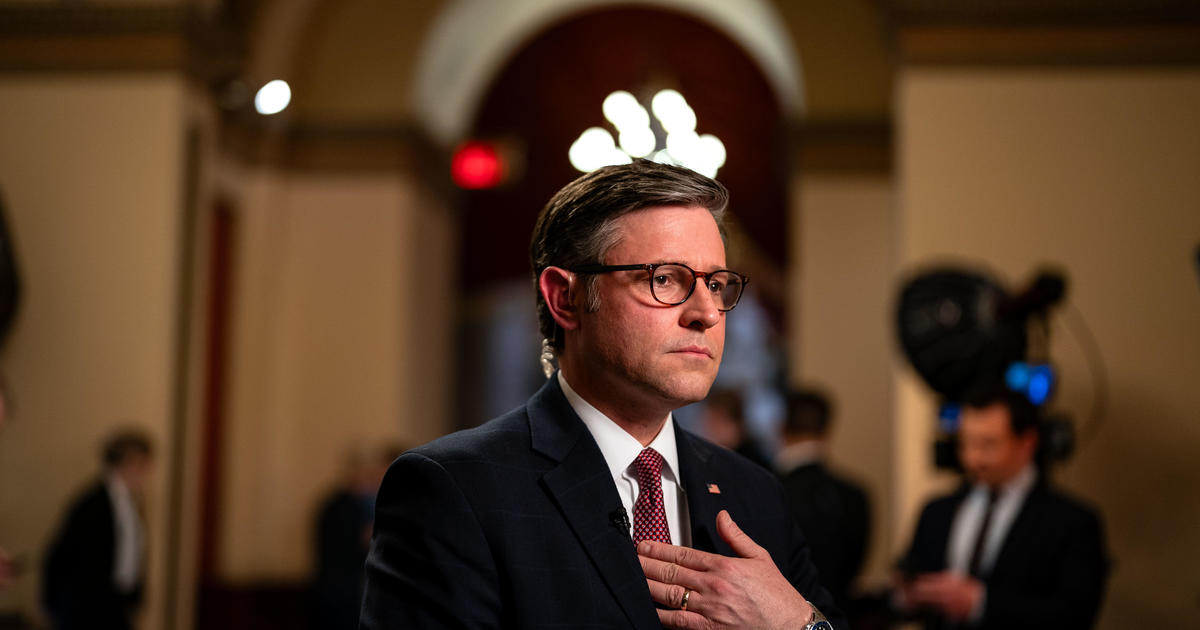
Speaker Mike Johnson has championed the non-citizen voting bill as a critical step to secure the federal election process and ensure that only American citizens can participate in American elections. The House is expected to vote on the measure in the coming days, but its passage remains uncertain, even within the Republican-controlled chamber.
The White House has voiced strong opposition to the non-citizen voting bill, arguing that it would hinder Americans’ ability to register to vote without effectively safeguarding the integrity of elections. Senate Majority Leader Chuck Schumer and Sen. Patty Murray have also criticized the GOP’s approach, emphasizing the need for bipartisan cooperation to avoid a government shutdown.
The partisan divide over the funding negotiations has further deepened as House Democrats and Republicans clash over the appropriations process. Democratic Rep. Rosa DeLauro of Connecticut has condemned House Republicans for taking a partisan approach to funding the government while refusing to engage in meaningful dialogue with their Democratic counterparts.
As tensions escalate on Capitol Hill, both parties are under increasing pressure to find common ground and avert a government shutdown that could have far-reaching consequences for the country. The coming days will be critical as lawmakers navigate the complex web of political interests and priorities in a race against time to secure funding for the government before the looming deadline.