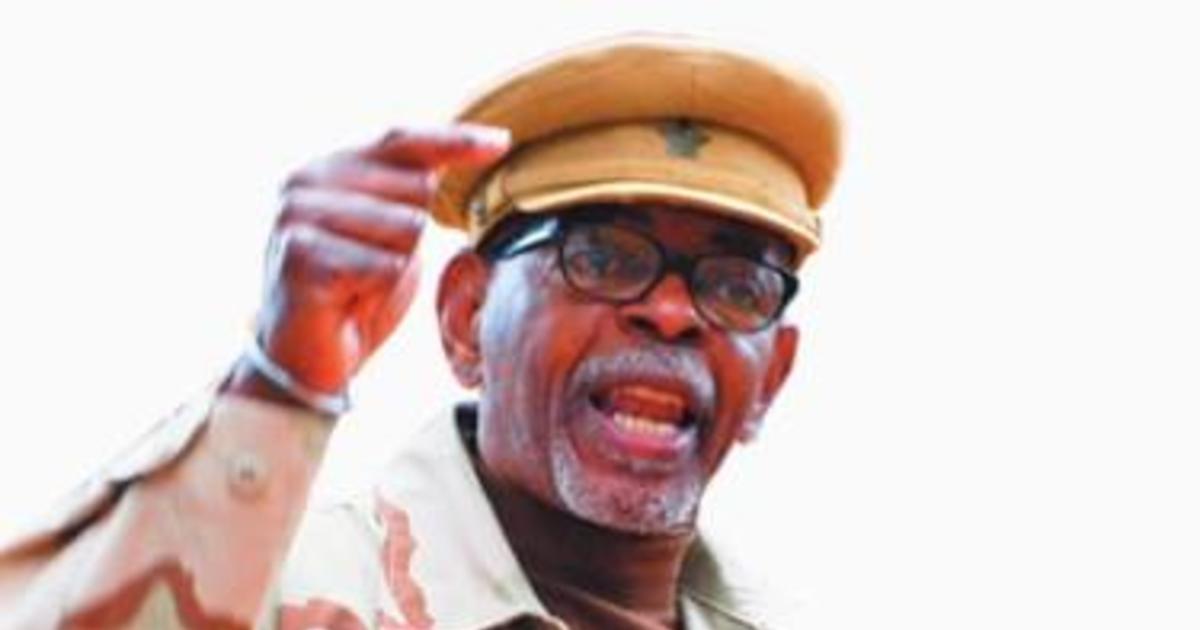
The trial of four activists accused of acting as Russian agents to interfere in U.S. elections and sow political discord began in Florida on Tuesday. The defendants, all affiliated with the African People’s Socialist Party and Uhuru Movement, are facing charges related to conspiracy to defraud the U.S. and failing to register as agents of a foreign government. Among those charged is Omali Yeshitela, the 82-year-old chairman of the U.S.-based organization focused on Black empowerment and reparations for slavery.
Yeshitela’s attorney, Ade Griffin, argued in the opening statement that the group shared goals with a Russian organization called the Anti-Globalization Movement of Russia but was not under the control of the Russian government. Griffin emphasized that the case is about censorship and not about Russian interference in the 2016 U.S. presidential election, as U.S. District Judge William Jung clarified.
The Justice Department attorney, Menno Goedman, alleged that the defendants acted under Russian direction to stage protests claiming Black people were victims of genocide in the U.S. and took other actions over six years to benefit Russia, including opposing U.S. policy in Ukraine. Goedman accused the defendants of dividing Americans and communities at the direction of the Russian government to sow division in the U.S.
The indictment also mentioned support for a St. Petersburg City Council candidate in 2019 who the Russians claimed to supervise but did not specify any charges against the candidate. The alleged cooperation between the defendants and Russia primarily centered around supporting Russia’s invasion of Ukraine, with Yeshitela publicly expressing unity with Russia in its defensive war in Ukraine.
The trial has brought attention to the activities of the African People’s Socialist Party and Uhuru Movement, which have locations in St. Petersburg, Florida, and St. Louis. The organizations focus on Black empowerment and reparations for slavery, with Yeshitela leading the charge for these causes. The defendants have pleaded not guilty to the charges brought against them, denying any wrongdoing.
The case has raised questions about the influence of foreign governments in U.S. politics and the extent to which activists may be influenced by external forces. The involvement of Russian intelligence agents in the alleged activities adds another layer of complexity to the trial and underscores the importance of vigilance against foreign interference in domestic affairs.
As the trial progresses, more details about the defendants’ alleged activities and their connections to Russia are expected to emerge. The outcome of the case could have far-reaching implications for how the U.S. deals with foreign influence in its political processes and the responsibilities of activists in maintaining the integrity of democratic institutions.
Overall, the trial of the activists accused of acting as Russian agents highlights the ongoing challenges posed by foreign interference in U.S. elections and the need for vigilance in safeguarding the country’s democratic processes. The case serves as a reminder of the importance of transparency and accountability in political activism and the potential consequences of failing to uphold these principles.