The Ebola virus has once again reared its deadly head in the Democratic Republic of Congo (DRC), prompting the World Health Organization (WHO) to declare a public health emergency of international concern. The outbreak is spreading at an alarming rate, outpacing the efforts of health workers to contain it.
In the DRC, the epicenter of the outbreak, WHO has raised the national risk assessment from high to very high. Neighboring countries, such as Uganda, are also at high risk, with five confirmed cases and one death reported. The situation is dire, with the virus posing a significant threat to public health in the region.
Efforts to combat the outbreak are being hindered by a lack of trust from the local community, particularly in the troubled eastern region of the DRC. Recent attacks on two treatment centers in the area have further exacerbated the situation, leading to the displacement of over 100,000 people. Marie Roseline Belizaire, Director of Emergency Response for WHO Africa, attributes these attacks to misinformation campaigns circulating on social media, which are impeding case investigations and preventing healthcare teams from reaching affected communities.
One of the main sources of tension is the strict protocols surrounding the burial of suspected Ebola victims. The authorities in the northeast of the DRC have banned funeral wakes involving more than 50 people, and armed soldiers and police are now guarding burials conducted by health workers. These measures have sparked anger among the population, leading to further resistance and distrust of outside authorities.
WHO is working to address these challenges by engaging with local leaders and healers to improve community involvement and ensure the safety of healthcare workers. Families of the victims are provided with protective equipment to assist in placing their loved ones in body bags and conducting prayers, while also minimizing the risk of virus transmission.
Despite the fact that Ebola outbreaks have been occurring for nearly two decades, there are still no approved vaccines or therapeutics for the Bundibugyo virus strain. WHO has recommended prioritizing two antibodies for clinical trials and is evaluating the antiviral drug obeldesivir as a potential treatment for high-risk contacts.
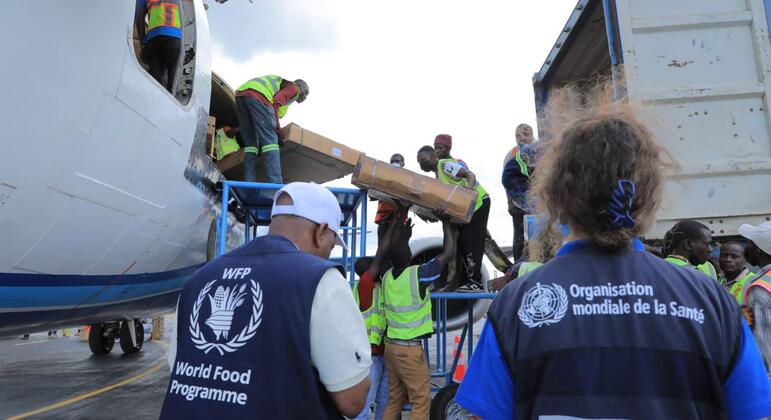
To combat the outbreak, WHO is ramping up operations on the ground, including contact tracing, establishing treatment centers, strengthening laboratory capacity, case management, infection prevention and control, risk communication, and community engagement. The organization has released $3.9 million from the WHO Contingency Fund for Emergencies to support these efforts.
The situation in the DRC is dire, with the Ebola outbreak posing a significant threat to public health in the region. Efforts to contain the virus are being hampered by a lack of trust from the local community, as well as challenges surrounding burial practices and the absence of approved vaccines or treatments. WHO is working tirelessly to address these issues and prevent further spread of the disease, but the road ahead is fraught with obstacles and uncertainties.