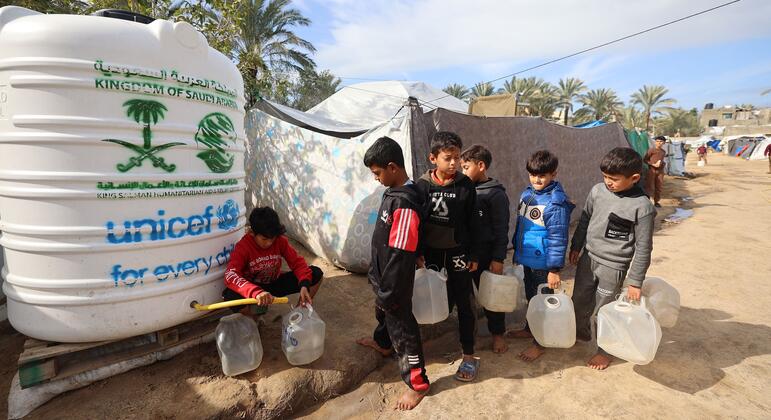
Dr. Renee Van de Weerdt, the World Health Organization (WHO)’s representative in the Occupied Palestinian Territory, recently returned from a visit to the devastated enclave of Gaza. She shared her harrowing experiences with reporters in Geneva, emphasizing the dire situation in the region.
“Nothing prepares you for Gaza,” Dr. Van de Weerdt said, reflecting on her visit. Despite having been to Gaza before, she explained that the devastation and suffering she witnessed on her recent trip were overwhelming. She noted that since the October 2025 ceasefire between Israel and Hamas, at least 880 people have been killed in the Strip, with more than 2,600 injured.
While the ceasefire may have lessened the intensity of the conflict, Dr. Van de Weerdt highlighted that the violence and instability persist in Gaza. She described the constant fear of bombs and gunfire, emphasizing the ongoing trauma experienced by the population.
The WHO representative painted a bleak picture of the health situation in Gaza, revealing that only half of the hospitals in the region are partially functional. She reported that there have been 22 attacks on health facilities in Gaza this year, further exacerbating the challenges faced by the already struggling healthcare system.
Dr. Van de Weerdt attributed the limited functionality of hospitals to critical shortages of medical supplies, which are often blocked from entering Gaza. She described the heartbreaking reality of essential medical equipment waiting for months at border crossings, preventing healthcare facilities from providing adequate care to the population.
The lack of laboratory equipment and reagents poses a significant threat to public health in Gaza, as it hinders the diagnosis and detection of diseases. Dr. Van de Weerdt expressed concern about the potential for disease outbreaks in the region, highlighting the urgent need for essential medical supplies to save lives and protect the population.
She raised the issue of certain medical items being classified as “dual use” by Israeli regulations, limiting their entry into Gaza. Dr. Van de Weerdt argued against the restrictive classification of essential medicines, stressing the importance of prioritizing public health over security concerns.
Prosthetic limbs, for example, are considered dual-use items, causing delays in providing much-needed support to amputees in Gaza. Dr. Van de Weerdt lamented the inability to perform corrective surgeries in Gaza, forcing patients to wait for medical evacuations to receive proper care in other countries.
Despite the challenges and obstacles faced by healthcare providers in Gaza, WHO continues to support the health authorities in organizing medical evacuations and providing essential medical assistance to the population. The reopening of the Rafah crossing in February has facilitated the transfer of patients to other countries for specialized treatment.
Dr. Van de Weerdt’s firsthand account of the health crisis in Gaza sheds light on the urgent need for international support and humanitarian assistance to alleviate the suffering of the population. The ongoing conflict and blockade in the region have created a dire situation where access to essential healthcare services is severely limited, putting the lives of thousands at risk.