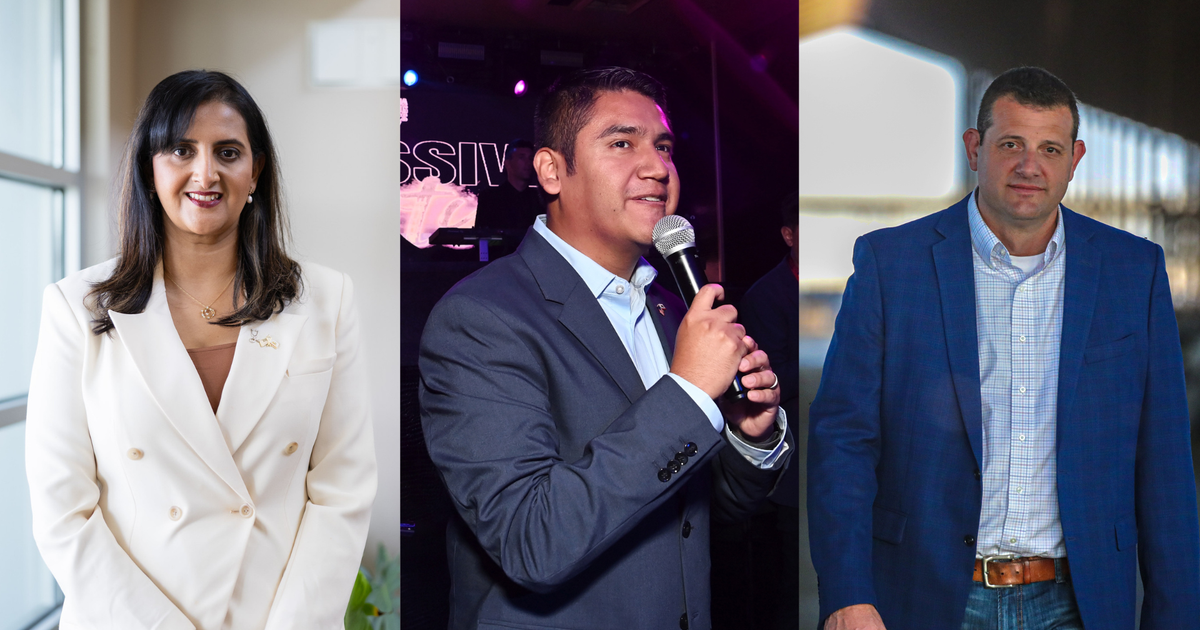
The Democratic Party is currently embroiled in a heated battle over the direction in which it should head, and this conflict is being prominently displayed in a competitive California congressional primary. Progressives are accusing party leaders of attempting to push a moderate candidate past a Latino challenger in one of the state’s most heavily Hispanic districts. The dispute has intensified with the late intervention by the House Democrats’ campaign arm, the Democratic Congressional Campaign Committee (DCCC), which has added moderate California State Assemblymember Jasmeet Bains to its “Red to Blue” program. This program provides fundraising and organizational support to candidates deemed most likely to flip Republican-held U.S. House seats in the upcoming November elections.
Progressive candidate Randy Villegas, who is challenging Bains in the race, has criticized the DCCC’s decision, calling it a clear example of the disconnect between Washington elites and the sentiments of grassroots voters. Villegas believes that the party leadership is out of touch with the actual feelings and needs of people on the ground. The two Democrats, Bains and Villegas, are vying to take on Republican Rep. David Valadao in a Central Valley district that is considered a toss-up by the University of Virginia’s Center for Politics. This seat is deemed to be the most challenging for Democrats to win among the five Republican-held California seats that were redrawn in the state’s recent redistricting plan.
The intervention by the DCCC in this race has brought to the forefront the internal disagreements within the Democratic Party regarding whether to support moderate or progressive candidates. It also raises questions about the party’s efforts to reconnect with Latino voters after facing setbacks in the 2024 elections. This dispute is unfolding in a district that Democrats view as crucial for their chances of regaining control of the House of Representatives.
DCCC chair Rep. Suzan DelBene of Washington has defended the committee’s decision to support Bains, citing her track record as a Bakersfield physician and her strong performance in the 2024 state House race where she outperformed the top of the ticket by more than seven points. DelBene praised Bains’ commitment to lowering costs, expanding access to healthcare, and enhancing public safety. The DCCC’s Red to Blue program is also endorsing candidates with broader support, such as retired firefighter and union leader Bob Brooks, who recently won the primary in Pennsylvania’s 7th District. Brooks, who had the backing of progressives like Sen. Bernie Sanders and the Working Families Party, as well as the moderate Blue Dog PAC, represents the kind of candidate that the DCCC believes can win in competitive races.
On the other hand, Villegas has garnered support from prominent progressives, including Rep. Alexandria Ocasio-Cortez of New York and the Congressional Progressive Caucus. Progressive leader David Hogg has actively campaigned for Villegas, arguing that Bains’ fundraising and grassroots efforts do not align with the committee’s claims about her electability.
The division within the party reflects broader debates about the future direction of the Democratic Party and the best strategy to win back key constituencies. The clash between moderates and progressives is not new, but it has been amplified in recent years as the party seeks to define its identity and appeal to a diverse electorate. The California congressional primary serves as a microcosm of these larger tensions, with each side arguing that their candidate is best positioned to win in November.
The outcome of this primary race in California’s 22nd Congressional District could have significant implications for the Democratic Party’s chances of regaining control of the House. With the district rated as a toss-up and seen as pivotal in the party’s efforts to flip Republican-held seats, the stakes are high for both Bains and Villegas. The public and persistent nature of this intraparty feud underscores the deep-seated divisions within the Democratic Party and the challenges it faces in navigating competing interests and priorities.
As the campaign heats up and the primary election approaches, all eyes will be on California’s 22nd Congressional District to see which candidate emerges victorious and what that outcome may signal for the future of the Democratic Party. The battle between moderates and progressives is far from over, and the results of this race could shape the party’s trajectory in the coming years. It remains to be seen whether the DCCC’s strategy of backing moderate candidates will prove successful in flipping crucial House seats or whether the progressive wing of the party will gain ground and influence in shaping its future direction. The California primary will serve as a bellwether for the broader ideological struggle within the Democratic Party and may offer insights into the party’s prospects in the upcoming midterm elections and beyond.