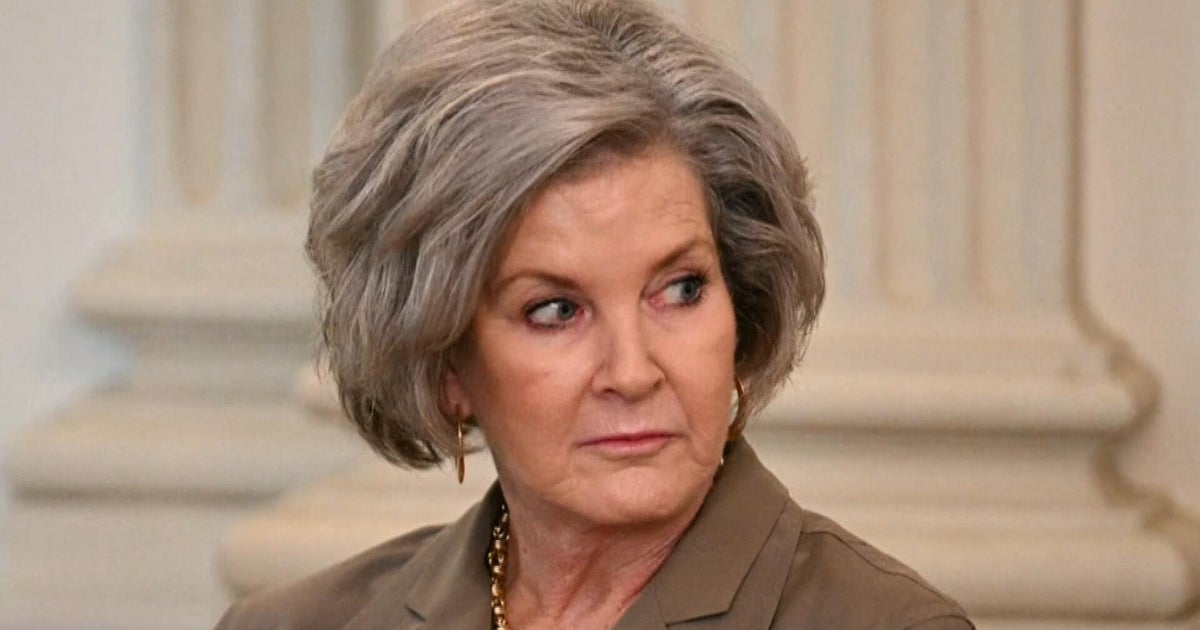
In a recent in-depth feature published by Vanity Fair, Susie Wiles, the White House Chief of Staff under President Trump, provided a candid exposition of her experiences and observations within the Trump administration, detailing her perceptions of the president’s first year in office and the dynamics of his inner circle. This article has sparked a wave of reactions, primarily from members of Trump’s Cabinet and the President himself, all rigorously defending Wiles in light of her forthright comments revealed in the publication.
The Vanity Fair piece, noted for its comprehensive analysis, paints a picture exceedingly rare for public consumption—where a key member of the White House staff divulges reflective, sometimes critical insights about the operation and personal interactions within the presidential enclave. Susie Wiles, who has served as Trump’s Chief of Staff, described various facets of her tenure, encompassing the president’s decision-making processes, the advisory roles of other staff members and high-ranking officials, and the general environment within the White House.
In response to the coverage, President Trump swiftly came to Wiles’ defense. In a series of statements and tweets, he underscored her loyalty and competence, stressing that her remarks were aimed at improving the administration’s functioning rather than undermining his authority or disparaging his presidency. Trump portrayed Wiles as a dedicated servant to the country, who, like him, wished nothing but the best for the American people and, through her criticism, sought to foster an environment of transparency and efficiency.
Following Trump’s lead, numerous Cabinet members issued their own statements, echoing the President’s sentiments. They portrayed Wiles as a professional who was deeply committed to the administration’s agenda and praised her honesty and forthrightness. The unified backing by Trump and his Cabinet underscores the administration’s intent to squelch any potential negative fallout from the Vanity Fair article and to convert it into an opportunity to broadcast their commitment to governmental transparency and accountability.
While some critics might argue that Wiles’ blunt assessments could expose rifts within the administration or suggest discord, the official response suggests a different narrative—one of openness to constructive critique and an ongoing commitment to improvement. The administration’s vigorous defense of Wiles also indicates the importance of solidarity among the top ranks of the presidential team, especially when facing scrutiny from the press.
In her reflections detailed by Vanity Fair, Wiles touched on several points about the personal dynamics at play within Trump’s White House. She provided insight into how decisions were made and how different personalities affected the administration’s direction. Her commentary extends to not only her direct experiences but also her observations on how personal relationships within the White House translate into policy making and execution.
The reactions from the Trump administration point towards a broader discourse on the nature of leadership and criticism within the highest levels of government. It opens up questions about how criticism from within should be handled—whether it should be welcomed as a necessary tool for growth and transparency, or whether it should be viewed skeptically as potentially disruptive.
The fallout from the Vanity Fair publication and the subsequent defenses put up by the President and his Cabinet also draw attention to the media’s role in shaping perceptions of political figures and their inner circles. This scenario illustrates the balancing act that the administration must perform in engaging with the media, managing internal feedback, and maintaining a cohesive front.
Moreover, the entire incident highlights the intricate and often tense relationship between the press and the presidency. It underscores the challenges involved in managing personal and public narratives, especially in an era where media coverage is instant and widespread. The administration’s strategy to proactively defend Wiles suggests a keen awareness of the significant impact media stories can have on public perceptions and the necessity of controlling the narrative to maintain political efficacy.
In conclusion, while the Vanity Fair article offered a peek behind the curtain of the Trump White House through the lens of Susie Wiles, the robust defense mounted by Trump and other Cabinet members underscores a multitude of themes: the value seen in loyalty and unity, the challenges posed by internal and external critiques, and the perpetual struggle between transparency and political optics. Moving forward, it remains to be seen how this incident will affect the internal dynamics of the White House and its interactions with media outlets. Will this lead to a more guarded administration, or will it encourage a more open discourse concerning its operations and challenges? Only time will tell.