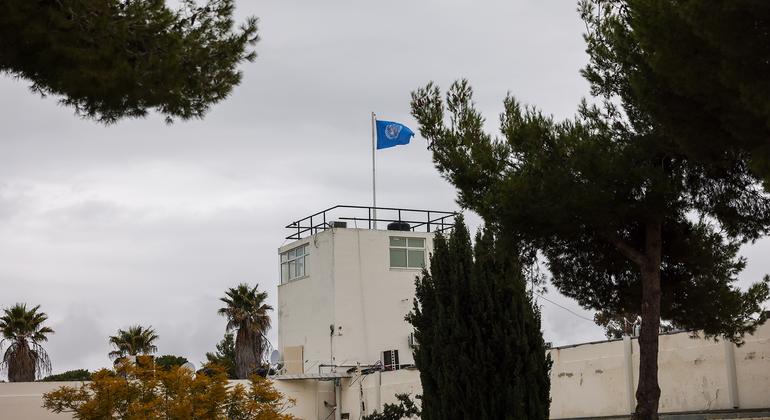
UNRWA, the United Nations Relief and Works Agency for Palestine Refugees in the Near East, is facing challenges in its operations in the occupied territories. Despite the Israeli parliament passing laws last October calling for the end of UNRWA’s operations in its territory, the agency continues to provide assistance and services to the communities it serves.
In a post on the social media platform X, UNRWA stated, “Our clinics across the occupied West Bank including East Jerusalem are open while the humanitarian operation in Gaza continues.” This statement comes in the midst of uncertainty surrounding the implementation of the laws passed by the Israeli Knesset.
The Israeli government has ordered UNRWA to vacate all premises in occupied East Jerusalem and cease operations by January 30 of this year. However, according to a separate post on X, UNRWA has not received any official communication on how the laws will be enforced. This lack of clarity has left the agency and the communities it serves in a state of uncertainty and fear.
Juliette Touma, the Communications Director of UNRWA, spoke to The Guardian about the situation. She mentioned that the agency’s headquarters in East Jerusalem is still operational, with the flag still flying. While there are no immediate plans to close operations, the future remains uncertain. The ban on UNRWA operations threatens life-saving aid, education, and healthcare for millions of Palestine refugees in the occupied territories.
Since 1950, UNRWA has been providing assistance to Palestine refugees in Jordan, Lebanon, Syria, Gaza, and the West Bank, including East Jerusalem. The agency plays a crucial role in providing essential services to vulnerable populations in the region. The potential closure of UNRWA operations in the occupied territories could have devastating consequences for the communities that rely on its support.
Iman Hillis, a Palestinian refugee currently staying in an UNRWA school in Gaza with her family, expressed her concerns about the situation. In an interview with UN News, she stated, “We will have nothing to eat or drink, and this will affect us greatly. All the people will be destroyed and will not have food, water, or flour.” The fear of losing access to vital resources and services is palpable among Palestine refugees in the region.
The international community has also expressed alarm over the potential implications of the Israeli government’s actions against UNRWA. The United Nations has warned of the catastrophic impact that the closure of UNRWA operations could have on the most vulnerable populations in the occupied territories. The agency’s work is crucial in providing essential services to those in need, and any disruption in its operations could have dire consequences.
UNRWA’s continued commitment to delivering assistance and services to the communities it serves is commendable in the face of uncertainty and challenges. The agency’s dedication to supporting Palestine refugees in the region is vital in ensuring the well-being and dignity of those who rely on its services. Despite the obstacles and threats to its operations, UNRWA remains steadfast in its mission to provide essential assistance to vulnerable populations in the occupied territories.
As the situation continues to unfold, it is imperative for the international community to support UNRWA in its efforts to uphold the rights and dignity of Palestine refugees. The agency’s work is essential in providing life-saving aid, education, and healthcare to those in need, and any disruption in its operations could have devastating consequences for the most vulnerable populations in the region. It is crucial for all stakeholders to work together to ensure that UNRWA can continue its vital work and provide support to those who need it the most.