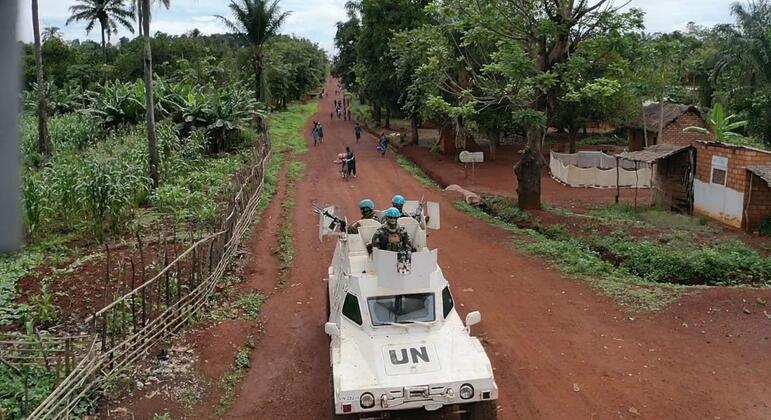
The Senegalese soldiers of the UN peacekeeping mission in the Central African Republic (CAR) – known by its French acronym, MINUSCA – are immediately deployed to confront the attackers. The fighting lasted several hours in extremely difficult conditions, recalls Lieutenant Colonel Gérald Aranda Assine, commander of the Senegalese contingent. It was extremely demanding psychologically, physically, mentally, and morally. The blue helmets, part of a Quick Reaction Force ready to deploy at any moment, helped the Central African Armed Forces (FACA) to push back the rebels, preventing them from seizing Zémio and allowing the elections to go ahead as planned.
Lt Col. Assine reflects on the bravery and dedication of his soldiers, stating, “Our soldiers held their positions. At the same time, they managed to protect the places where the refugees were gathered.” This display of courage and commitment highlights the crucial role that peacekeepers play in maintaining stability and security in conflict-affected regions.
From battlefield to football field
Working as a blue helmet involves much more than military intervention. Duties can range from providing free medical care aid to conducting patrols and holding meetings with community leaders. In the west of the country, where the “Retour, Réclamation, Réhabilitation” (3R) armed group agreed to disarm in 2025, peacekeepers are rebuilding links between people divided by years of fighting.
Ex-combatants from 3R and the official army, as well as civilians, are participating in community activities, even playing a football match together, something that would have seemed unthinkable just a few months earlier. This symbolic gesture of unity and reconciliation demonstrates the transformative impact of MINUSCA’s presence in the region.
A toll on mental health
The stark contrast between the demands placed on peacekeepers means that a great deal of attention must be paid to their well-being and mental health. Lt Col. Assine emphasizes the importance of providing regular sporting and cultural activities, as well as maintaining strong links with their families, even when they are posted in the most remote areas.
“Looking at your children and then smiling, showing them that everything is okay, despite the difficult environment you’re in, is extremely important,” he says. This focus on mental well-being ensures that peacekeepers are able to cope with the challenges they face in their mission and continue to carry out their duties effectively.
‘Now I know that I will be safe’
Meetings with the local population present a human face to the soldiers’ mission. Lt Col. Assine spoke to a former child soldier who managed to escape from an area controlled by armed groups. “Because the Quick Reaction Force is there, I know that my life will not be threatened,” the boy told him. “Now I know that I will be safe.”
Thanks to the work of MINUSCA, schools in Zémio have reopened and medical campaigns have resumed. Residents who fled the violence are coming back, and with the support of the mission, the youngster will be able to go back to school. This story of hope and resilience illustrates the positive impact that peacekeeping efforts can have on the lives of those affected by conflict.
In conclusion, the UN peacekeepers in the Central African Republic continue to demonstrate their courage, dedication, and commitment to upholding peace and security in a volatile and challenging environment. Through their efforts, they not only prevent violence and protect civilians but also work towards rebuilding communities and fostering reconciliation. Lt Col. Assine and his soldiers exemplify the values of peacekeeping and serve as a beacon of hope in a region plagued by instability and conflict. Their tireless work and sacrifices deserve recognition and appreciation as they strive to make a difference in the lives of those they serve.