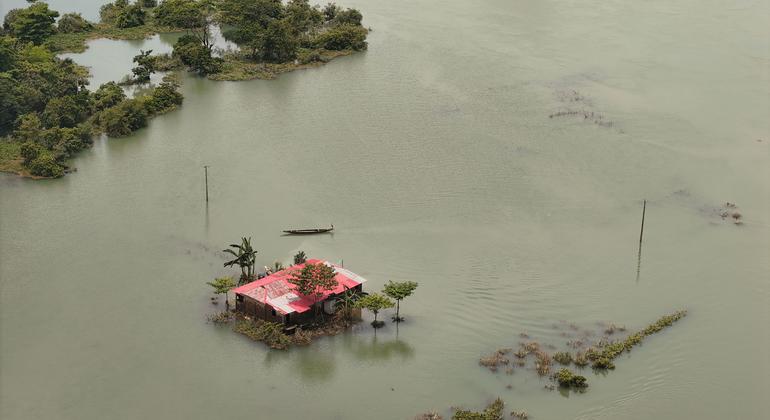
In recent news, approximately 1.4 million individuals have found themselves in dire circumstances due to heavy rainfall in Sylhet and Sunamganj districts in Bangladesh, as well as in neighboring areas in India. The devastating floods have left many vulnerable families struggling to meet their basic needs, exacerbating the already existing hardships they face. Simone Parchment, Deputy Country Director of the UN World Food Programme (WFP) in Bangladesh, emphasized the importance of providing support to these families in their time of need.
The WFP’s field office in Sylhet has been working in conjunction with government relief efforts to distribute fortified biscuits to over 23,000 families, aiming to address their immediate food and nutritional requirements. Additionally, the WFP plans to offer cash assistance to these 23,000 households, along with an additional 48,000 households that were identified in advance as part of the agency’s preparedness efforts. The goal is to ensure that these families have the necessary resources to weather the ongoing challenges posed by the floods.
Unfortunately, weather forecasts predict further heavy rainfall in the affected regions and surrounding catchment areas in the days ahead. This anticipated rainfall could potentially worsen the flood situation, compounding the difficulties faced by the affected population. As such, it is crucial for humanitarian organizations and government agencies to remain vigilant and responsive to the evolving needs of the communities impacted by the floods.
Meanwhile, on the global stage, the UN High Commissioner for Human Rights, Volker Türk, highlighted the prevalence of human rights violations and abuses within the realm of sports. Despite the sporting ideal of equality and fair opportunities, athletes continue to encounter various forms of rights violations during mega sporting events such as the football World Cup and the Olympic and Paralympic games. Mr. Türk emphasized the importance of utilizing these high-profile events as platforms to advocate against inequalities and promote human rights principles.
Issues such as racism, sexism, violence against women, corruption, discrimination based on religion, disability, nationality, and sexual orientation were identified by Mr. Türk as prominent challenges within the world of sports. He commended businesses in the sports industry that have aligned their practices with the UN Guiding Principles on Business and Human Rights, signaling a positive step towards ensuring respect for human rights in the sporting arena. Additionally, the inclusion of human rights policies and grievance mechanisms in large-scale sporting events, such as the case in Spain where football fans were held accountable for racially abusing a player, demonstrates progress in addressing these issues.
In the realm of public health, authorities in Angola have launched a vaccination campaign with the support of UN agencies to combat the spread of polio and safeguard children from childhood paralysis. Polio is a highly contagious disease caused by a virus that attacks the nervous system and can lead to paralysis within a short period. While there is no cure for polio, vaccination remains the most effective means of prevention.
The World Health Organization (WHO) is working alongside the Angolan government to implement the vaccination campaign, with a primary focus on enhancing the immunity of children under a certain age bracket. By vaccinating children against polio, health officials hope to reduce the incidence of the disease and protect vulnerable populations from its debilitating effects. This collaborative effort between the Angolan government and international health organizations underscores the importance of collective action in addressing public health challenges.
Overall, these recent developments underscore the interconnected nature of global issues, ranging from natural disasters and humanitarian crises to human rights violations and public health concerns. The response to these challenges requires a coordinated and multifaceted approach, involving the efforts of governmental bodies, NGOs, international organizations, and civil society groups. By prioritizing the well-being and rights of affected populations, stakeholders can work together to mitigate the impact of crises and build more resilient communities for the future.