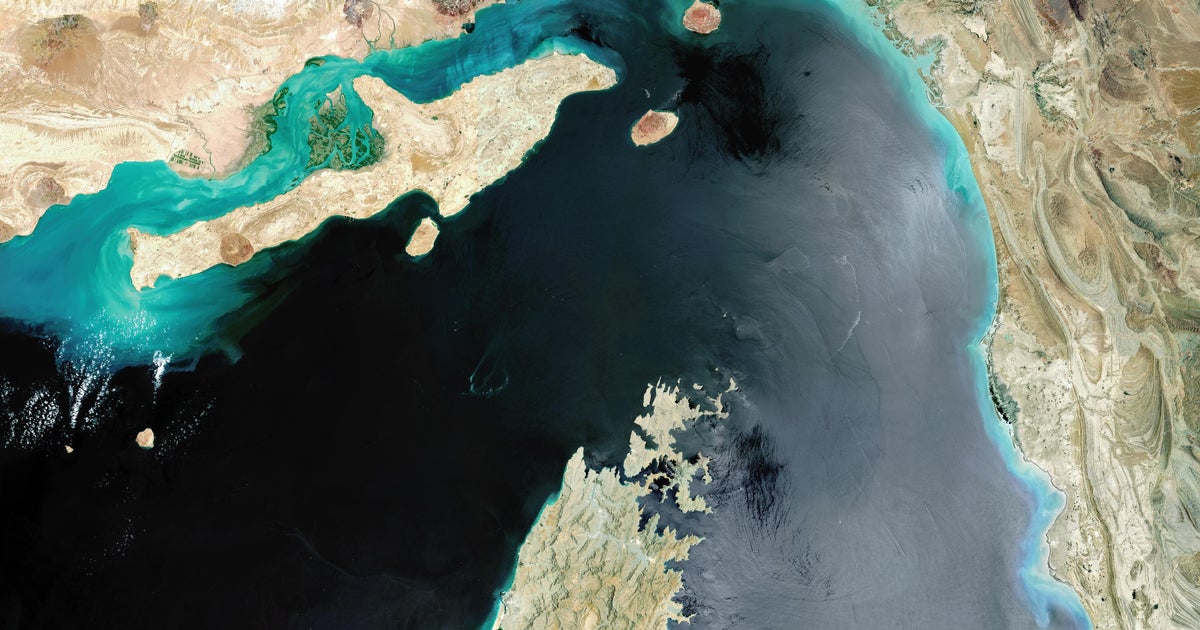
Amidst escalating tensions and complex geopolitical maneuvers, the Persian Gulf region has again witnessed intense military activity. Recent developments signal a precarious phase in the longstanding adversarial relationship between the United States and Iran, highlighting both the strategic significance of the Strait of Hormuz and the broader implications for global maritime security and regional stability.
On a recent Tuesday, the United States Central Command (CENTCOM) reported that it had shot down three Iranian drones. These drones were allegedly targeting civilian mariners, an action that escalates concerns over maritime safety in one of the world’s most crucial waterways. Furthermore, Iranian forces were also reported to have launched five ballistic missiles targeting various U.S. allies in the Persian Gulf. The missile strikes aimed at Bahrain were intercepted by robust air defenses, neutralizing the threat. However, two other missiles directed towards Kuwait fell short, breaking apart before reaching their intended targets.
In a direct response to these provocative actions, CENTCOM executed what it described as “self-defense strikes” against a strategic location. They targeted the ground control station situated on Iran’s Qeshm Island, which plays a significant role in the operation and coordination of drone activities.
This zone of conflict near the Strait of Hormuz is of immense strategic importance. It is a vital corridor through which a substantial fraction of the world’s petroleum passes, making it a focal point in global energy supply chains. Moreover, the recent Iranian directive requiring all ships to obtain its permission before navigating through the Strait poses a severe challenge to the free movement of maritime traffic, effectively paralyzing operations in this essential oil passage.
These recent military engagements are set against the backdrop of an April 7 ceasefire agreement intended to halt direct combat operations that had commenced three months prior. While both parties officially adhere to the ceasefire, continued confrontations indicate simmering tensions and a precarious peace.
Scheduled indirect negotiations between U.S. and Iranian officials sought to extend the ceasefire, discuss lifting the U.S. blockade, ensure free navigation through the Strait of Hormuz, and potentially address broader issues concerning Iran’s nuclear ambitions. Despite these talks, a tangible resolution seems distant as the negotiators have yet to reach a comprehensive agreement.
Further complicating the dialogue, Iran’s leadership reacted to external regional conflicts involving its allies. Reportage from Iran’s semi-official Tasnim news agency hinted at a pause in discussions with the U.S., contingent on the cessation of Israeli military actions in Lebanon against Hezbollah, an Iran-supported group.
Adding to the complexity, U.S. President Donald Trump has publicly addressed the ongoing direct communication with Iran, contrary to reports suggesting a breakdown in dialogue. Through a series of posts on the social platform Truth Social, President Trump detailed his administration’s ongoing discussions with Iranian representatives, emphasizing continuous engagement despite reports to the contrary.
Regarding military readiness and operational stance, CENTCOM has articulated a clear position. Their forces, according to a recent statement, remain highly vigilant and prepared to counter what they perceive as unjustified Iranian aggression, especially concerning the integrity of the current ceasefire. This military posture underscores the readiness of U.S. forces to engage defensively should the need arise, bolstering their commitment to safeguard regional and international security interests.
The situation in the Persian Gulf remains a delicate balancing act, with both regional and global repercussions. As the U.S. and Iran navigate these turbulent waters, the international community watches closely. The outcomes of these high-stakes negotiations and military engagements will likely shape the geopolitical landscape of the region, influence global energy markets, and define the future trajectory of U.S.-Iran relations.
As these events unfold, stakeholders from around the world remain keenly interested in achieving a stable and peaceful resolution to conflicts in this critically important part of the globe. However, the path to peace appears fraught with challenges, requiring diplomatic finesse, strategic patience, and an unwavering commitment to de-escalation from all involved parties.