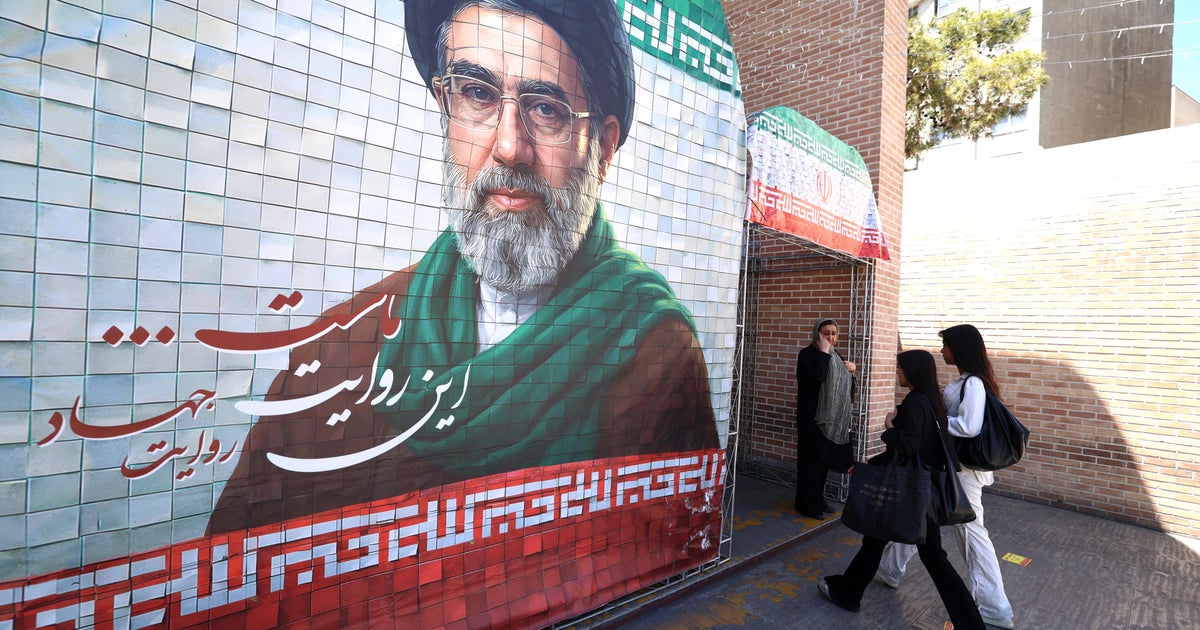
As tensions continue to simmer over Iran’s nuclear program and regional influence, the situation surrounding Iran’s supreme leadership has taken a rather unprecedented turn. In-depth reporting from U.S. intelligence suggests that Iran’s current Supreme Leader, Mojtaba Khamenei, has significantly retreated from the public eye and has established an intricate and covert communication system, likely in response to continuous threats to his and the nation’s security.
According to sources within the U.S. administration, Mojtaba Khamenei is now residing in a highly undisclosed location, completely isolated from direct reach. This situation has arisen after recent aggressive military strategies by the U.S. and Israel targeting Iranian leadership, including a series of strikes known as Operation Epic Fury. These operations have led to catastrophic consequences for the Iranian hierarchy, fundamentally altering its communication and operational protocols.
The death of Mojtaba’s predecessor and father, Ayatollah Ali Khamenei, in these strikes seems to have further prompted the reclusive behavior of the younger Khamenei. Since assuming the role of Supreme Leader after his father’s demise on February 28, Mojtaba Khamenei has withdrawn himself from the public gaze and refrained from making public appearances or statements. This decision aligns with a palpable fear of a similar fate, forcing him to take drastic measures to protect his life and continuity of leadership.
This clandestine lifestyle has inevitably caused several disruptions within the communication channels of Iran’s governing bodies. Reports suggest that high-ranking Iranian officials are finding it increasingly challenging to relay information or proposals to the Supreme Leader. This has been particularly problematic in the context of the ongoing negotiations and dialogues with foreign nations, including the United States.
The communication, as described by insider sources, works through a network of couriers, designed to protect Mojtaba Khamenei’s location and ensure his safety. Messages are passed in a labyrinth-like manner which significantly delays responses. This complex system, though crucial for security, results in latency and stagnation in diplomatic conversations. For instance, when the United States forwards any diplomatic communications or proposals, it necessitates a lengthy process before any substantial response is received.
This latency was evident in a recent interaction where U.S. officials awaited confirmation from the Iranian leader on the details of a potential nuclear deal. The White House remained tight-lipped when approached for comments on the matter, possibly indicating the sensitive nature of ongoing proceedings or negotiations. However, it was later revealed by a senior administration official that the Supreme Leader had concurred in principle to the contours of the agreement currently under discussion. Furthermore, an update by President Trump on the social media platform Truth Social also hinted that a final agreement might be reached soon, pending a definitive response from the Iranian side.
The secrecy surrounding the Supreme Leader’s movements and decision-making processes has indeed complicated internal dynamics within the Iranian government. Sources claim that most of the country’s senior leaders now operate under extreme secrecy, spending extensive periods in fortified bunkers, communicating sparingly, and avoiding unnecessary exposure.
One U.S. official metaphorically described the situation as a tragi-comedy, noting the visible frustration and complications as Iranian officials grapple with their constrained ability to communicate effectively both among themselves and with external entities. This breakdown in swift communication is not only a security measure but also reflects a deep-seated paranoia within the leadership, skeptical of espionage and further attacks.
However, despite these security measures, Mojtaba Khamenei has managed to maintain some level of directive influence. He communicates broad directives to his subordinates, delineating issues that are negotiable and those that are off-limits, to ensure that Iran’s fundamental policies and stances are upheld in any diplomatic engagements.
In summary, the current political and security landscape surrounding Iran’s supreme leadership paints a picture of a nation under siege from external threats and internal paranoia. The extreme measures taken by Mojtaba Khamenei not only signify a drastic shift from his predecessor’s more visible approach but also highlight the substantial impact of international military and political pressure on Iran’s internal affairs. As discussions and potential agreements progress, the world watches closely to see how this complex network of secrecy and delayed communications unfolds and what implications it holds for international peace and security.