In a series of escalating military confrontations, it has been reported that Iran claims it has shot down a U.S. drone. This event reportedly occurred just mere hours after the U.S. forces launched a Hellfire missile into the engine room of a commercial ship. The commercial vessel was allegedly trying to evade a U.S.-led blockade of Iran’s ports. These incidents have occurred amid a tense atmosphere where both Washington and Tehran appear to be nearing a deal that would extend a ceasefire between the two combative nations. However, the exact state of these negotiations remains shrouded in uncertainty.
Over the weekend, President Trump stated his intentions to make a “final determination” regarding whether to give approval to a 60-day memorandum of understanding. This approval would extend the ceasefire with Iran, setting the stage for more complex negotiations revolving around Iran’s nuclear program. The nuclear program is the key priority for the U.S. in these negotiations.
In a bid to resolve the situation, the Trump administration has sent a revised peace framework to Iran for review. As per reports by the New York Times on Sunday, this framework includes the president’s new, more stringent demands for concessions from Iran. This move indicates a hardening stance on behalf of the U.S. government.
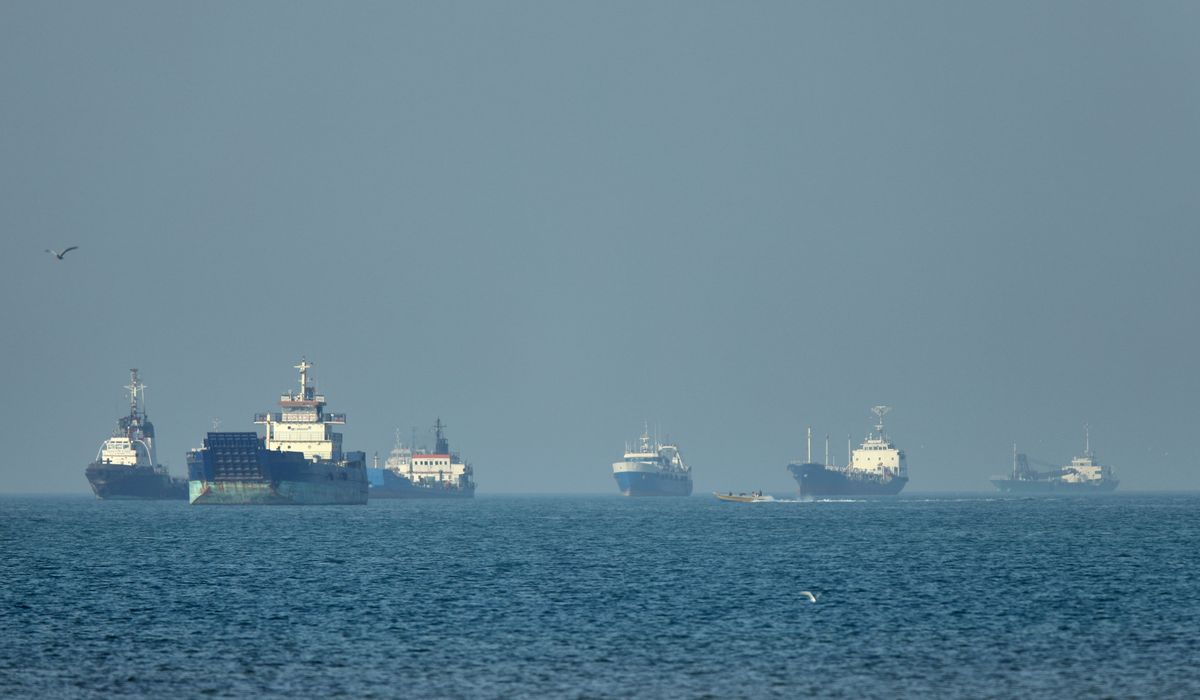
Meanwhile, the region remains in a state of high alert. U.S. Central Command announced on Saturday that it “disabled” a Gambia-flagged commercial ship, the M/V Lian Star, after it disregarded 20 warnings from U.S. forces and continued sailing towards Iran. A U.S. aircraft disabled the vessel by firing a Hellfire missile into the ship’s engine room after the Lian Star’s crew failed to comply. CENTCOM confirmed in a brief statement that the ship is no longer transiting to Iran.
Since the beginning of the blockade, U.S. forces have reportedly disabled at least five commercial vessels and redirected 116 ships. This blockade is part of a larger strategy to exert economic pressure on Iran and its leadership. This strategy has its roots in the early days of the U.S.-Iran war when Tehran sought to shut down commercial maritime traffic through the Strait of Hormuz. This vital waterway is a critical conduit for the movement of oil and other goods in and out of the Persian Gulf.
In spite of the uneasy ceasefire, both sides continue to engage in limited hostilities. U.S. forces, within the last week, struck several targets in southern Iran. Pentagon officials justified these strikes, stating that the targeted areas posed a threat to American troops.
On Sunday, Iranian state-run media reported that Iranian forces shot down an MQ-1 Predator drone. The Iranian air defense systems immediately tracked the unmanned aerial vehicle and targeted it with advanced surface-to-air missiles before it could execute any form of raid. This report came from the state-run Fars News Agency.
CENTCOM has not immediately responded to requests for comments regarding the accuracy of Iran’s claim. If this claim proves to be accurate, it would signify the latest in a series of American aircraft taken down during the Iran conflict. So far, at least 42 planes and drones have been reportedly lost.
There have been considerable losses on the American side during the war with Iran. A recent Congressional Research Service report reveals that at least 24 MQ-9 Reaper drones have been lost during the war. In addition to these, at least four F-15E Strike Eagle fighter jets, one F-35, seven KC-135 refueling tankers, and other aircraft have also been taken down. This report highlights the high stakes and substantial losses involved in this ongoing conflict.
The escalating conflict and ongoing negotiations between the U.S. and Iran have created a tense situation in the region. Both nations are engaged in a precarious dance of military posturing and diplomatic negotiations. The outcome of these negotiations and the future trajectory of this conflict will have significant implications on the regional and global stage.
In conclusion, the situation between the U.S. and Iran remains tense and precarious. Despite efforts for a ceasefire, hostilities continue to persist. While the U.S. is pushing for Iran to make concessions, Iran remains resistant. The recent military confrontations only serve to exacerbate the situation. The world watches on as both nations continue their maneuvers, hoping for a peaceful resolution to this conflict.