In a recent turn of events in Washington, President Donald Trump has seemingly reversed his earlier stance on the disclosure of a video showing a second strike on a Venezuelan boat purportedly involved in drug trafficking. Initially, the President had indicated a willingness to release any footage of the attack, but he has now distanced himself from that position following remarks from Defense Secretary Pete Hegseth and ensuing controversies.
The matter first came to light in early September when it was reported that President Trump had voiced support for the idea of making public a video recording of the second strike on the alleged drug boat. During a media interaction last week, President Trump was quoted saying he wasn’t aware of what specific video existed of the subsequent strike but affirmed that whatever footage was available would be released without an issue. This remark stirred significant public interest and debate over the transparency and legality of such military operations.
However, the situation took a different turn when Defense Secretary Hegseth, just days later, declined to commit to releasing the Pentagon’s footage of the operation conducted on September 2. Secretary Hegseth emphasized the need to be very responsible about reviewing what content could be released regarding the strike, which reportedly also involved a follow-up attack intended to neutralize two individuals who survived the initial assault on the drug-smuggling vessel.
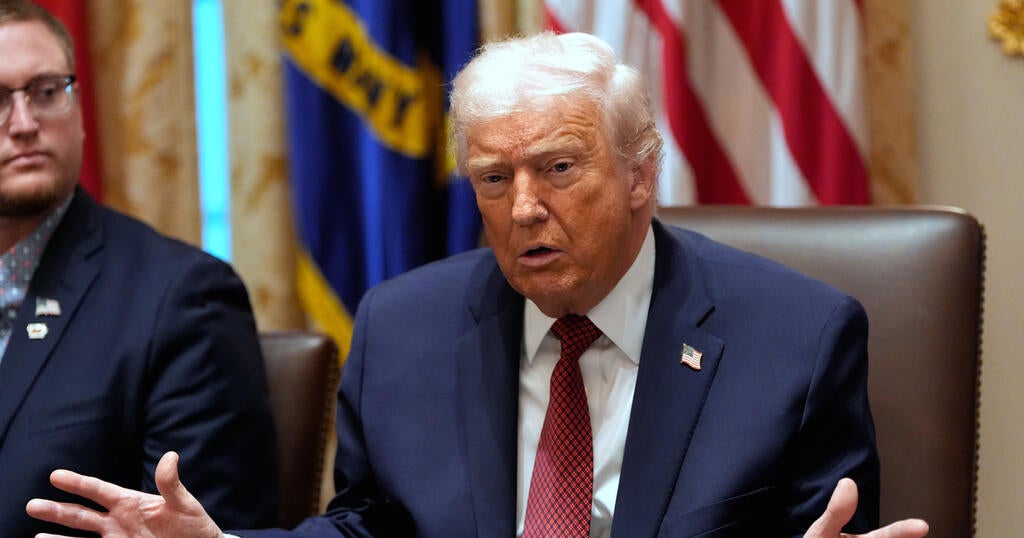
By Monday, President Trump had altered his earlier declaration, stating during an event in the Cabinet Room that he never actually endorsed the release of the video. This assertion came in response to a reporter’s question referencing his earlier statement and Hegseth’s subsequent comments. Trump curtly responded, “I didn’t say that,” attributing the earlier remark to the reporter and washing his hands of the previous commitment.
The confusion over the inconsistent statements was further compounded when President Trump expressed deference to Hegseth’s discretion on the matter, stating, “Whatever Pete Hegseth wants to do is OK with me.” This pivot suggests a significant shift in stance and raises questions about the transparency and decision-making process within the administration regarding sensitive military operations.
The controversy has not only captured media attention but has also caught the eye of Congress, which has expressed increasing concerns over the strikes on vessels suspected of drug trafficking. A significant briefing is scheduled where Secretary Hegseth, alongside Joint Chiefs Chair Gen. Dan Caine and Secretary of State Marco Rubio, will present details to congressional leaders and key intelligence committee members from both the Senate and the House.
Legislators are particularly troubled by the second part of the September 2 operation aiming at survivors of the initial boat strike. The legality of this secondary strike has been intensely scrutinized, with lawmakers seeking clarity on the military’s actions and the rules of engagement used. The White House confirmed the execution of this second strike but has maintained that the action was within legal bounds.
Adding complexity to the saga, a brief 29-second clip of the initial strike was shared by Mr. Trump on Truth Social, a move that presumably aimed at transparency but ended up leading to further demands for unleashing the full video of the subsequent strike. Additionally, during a closed-door briefing last week, lawmakers from both parties were shown more extensive footage of the attack, leading to polarized views—Democrats denounced the attack on survivors as unnecessary, while Republicans defended the operation.
The ongoing debate and scrutiny over these military strikes underpin a broader series of more than 20 similar actions carried out by the U.S. since September 2, resulting in over 80 casualties. These operations are part of the administration’s declared war on drugs throughout the Caribbean and the eastern Pacific regions.
Congress, seizing on these concerns, is currently contemplating measures to withhold part of Hegseth’s travel budget via provisions in the National Defense Authorization Act. They are advocating for the Pentagon to provide Congress with unedited footage of the various strikes as a condition for releasing the withheld funds.
As this contentious issue unfolds, it remains to be seen how transparency will be balanced with operational security, and how shifting political and public narratives will influence the administration’s strategies in its ongoing counter-narcotic efforts. The implications of these decisions are profound, touching on legal, ethical, and strategic dimensions of U.S. military and foreign policy.