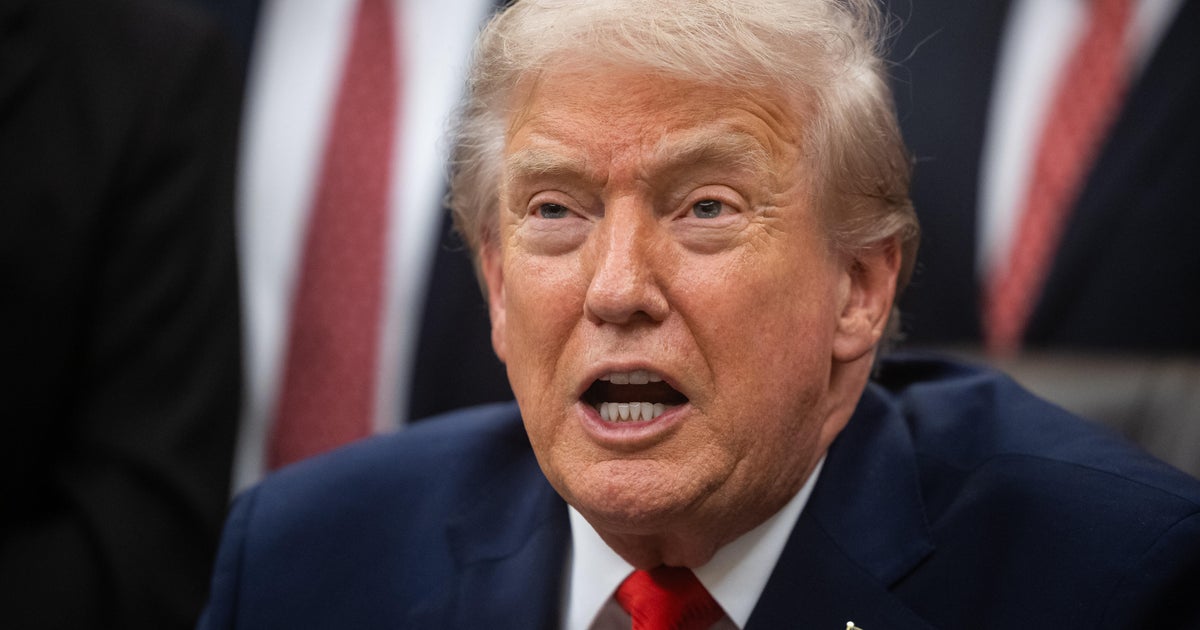
On a recent and tragic Monday, President Donald Trump drew significant criticism when he chose to publicly comment on the shocking deaths of well-known actor and director Rob Reiner and his wife Michele. The Reiner couple was discovered deceased in their Los Angeles residence, with their demise currently being treated as a homicide by authorities. The president’s remarks emerged on social media, intertwining the deaths with Mr. Reiner’s well-documented political opposition toward him, specifically citing Rob Reiner’s severe case of what he termed “TRUMP DERANGEMENT SYNDROME.”
The gravity of the situation intensified when law enforcement disclosed that the couple’s son, 32-year-old Nick Reiner, was apprehended under suspicions of his involvement in the killings, subsequently being detained without the option of bail.
Historically, Rob Reiner had been a staunch and vocal critic of President Trump, consistently challenging his administrative policies and questioning his fitness for presidential duties. Mr. Reiner’s robust opposition was characterized by significant contributions to the Democratic party, alongside his personal critique of Trump as “mentally unfit” and “unqualified” for the office he held.
President Trump’s response to these tragic events came via a post he authored on the social media platform Truth Social, where he expressed that Rob Reiner’s inflammatory political rhetoric and obsessive criticisms might have catalyzed negative responses from others. He reflected on Rob Reiner’s career and personal antagonism towards him, postulating that these factors might connect to the tragic events, though no evidence supporting this claim has been disclosed. “May Rob and Michele rest in peace!” he concluded, a sentiment echoed across platforms, including an official White House account repost.
This public stance from the President on such a delicate occurrence sparked immediate backlashes from various political figures and entities across the ideological spectrum. Notably, Republican Senator John Kennedy publicly expressed that President Trump should have refrained from commenting on the matter, highlighting that such statements could overshadow the administration’s policy achievements. Jenna Ellis, Trump’s former campaign attorney, criticized the president’s comments as being inappropriate and undignified, reflecting poorly on how tragedies should be addressed, particularly considering previous assassination attempts on Trump himself.
This condemnation traversed party lines, with Democratic Senator Alex Padilla and Representative Glenn Ivey articulating deep disdain for Trump’s remarks, labeling them as “disgusting, deranged,” and potentially inciting further violence. The Republican representation, including figures such as Representative Thomas Massie and Stephanie Bice, shared this sentiment. They extended their critiques to the broader scope of political discourse, urging respect and tactfulness when addressing such sensitive subjects.
An interesting note came from Representative Marjorie Taylor Greene, who contextualized the tragedy within broader societal challenges such as drug addiction and mental health issues, focusing on the immeasurable pain the Reiner siblings must be enduring in the wake of their parents’ deaths.
As these varied responses began painting a multifaceted picture of this complex tragedy, it became increasingly clear that parsing political divides, advocating for respectful rhetoric, and emphasizing the human element of the ordeal were becoming focal points in the public dialogues. The entire incident promises ongoing contemplations on the intersections of politics, personal tragedies, family misfortunes, and the public conduct of elected officials.
This unfolding story also serves as a poignant reminder of how quickly personal tragedies can become engulfed in the whirlpool of political maneuvering, with public figures and the general populace alike grappling with the appropriate balance between political expression and compassion.
As the investigation into the deaths of Rob and Michele Reiner continues, so too will the discussions about the implications of President Trump’s comments, the appropriate responses from public officials, and the broader societal need for empathy in the face of grief and loss. In a world deeply polarized, this incident underscores the critical need for sensitivity and unity, highlighting how deeply personal tragedies can resonate across societal lines, prompting a nationwide reflection on the values of dignity and respect.