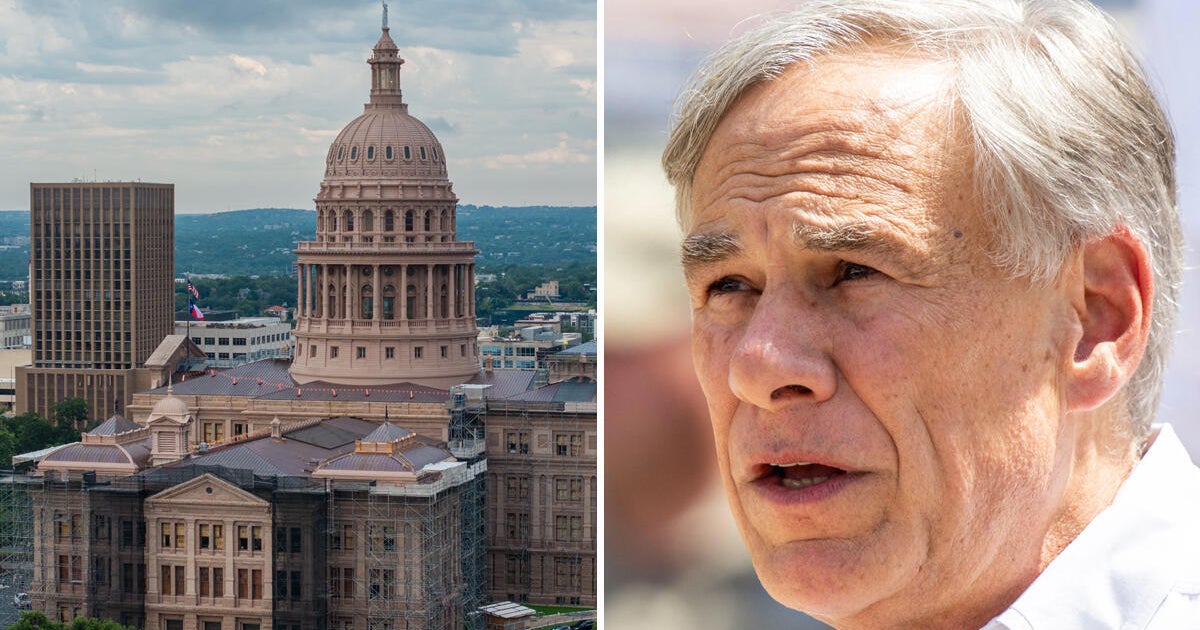
In a dramatic escalation of political tensions in Texas, Governor Greg Abbott, on Monday, issued orders for the civil arrest of Democratic lawmakers who had fled the state in a bid to block a Republican-backed congressional redistricting plan. This order has intensified a political standoff that has brought the Texas legislative session to a standstill.
The crux of this conflict lies in the proposed redrawing of the state’s congressional districts, a plan designed to add five seats that would likely favor Republicans. This move has not been without controversy, as it mirrors a national trend where gerrymandering has increasingly become a tool for political advantage. This issue forced the Democrats to resort to breaking the quorum by leaving the state—an act that, while drastic, effectively halted the legislative process since the House could not convene with the requisite number of members to debate or vote on the bill.
House Speaker Dustin Burrows played a significant role in addressing this situation. On the same day, he made a stern declaration on the House floor, stating his readiness to recognize a motion to compel the attendance of the absent members. “In response to this dereliction of duty,” Burrows stated, “in pursuant to the rules of the House, I am prepared to recognize a motion to place a call on the House and any other motions necessary to compel the return of absent members.”
Minutes after the house session was adjourned, Governor Abbott utilized his X social media account to convey his decision, which bore a “Breaking News” banner across the post announcing the ordered arrest of the absent Democrats. His directive instructed the Texas Department of Public Safety to locate, arrest, and return any lawmaker who had abandoned their obligations to the citizens of Texas, although, notably, the Texas DPS lacks jurisdiction outside the state borders. Therefore, a civil arrest was meant solely to enforce their return to the Capitol.
In a broader context, this move came after former President Donald Trump amplified the issue, advocating for the redistricting in Texas as essential for securing additional Republican seats in the U.S. House of Representatives ahead of the 2026 midterm elections. Throughout his statement on CNBC, Trump expressed his belief that Texas, under GOP leadership, deserved more representation, tying this to his electoral performance in the state.
Democratic lawmakers, meanwhile, took refuge in either Illinois or New York, drawing support from like-minded officials while avoiding any commitments regarding their return timeline. This defiance is set against a historical backdrop of legislative walkouts, including a similar 2021 scenario involving Texas Democrats protesting against voting restrictions, demonstrating that such actions, while delaying legislative processes, do not necessarily prevent the eventual passing of contentious legislation.
The potential legal ramifications for the absent Democrats are profound. Abbott, justifying his decision with a non-binding legal opinion from Republican Attorney General Ken Paxton from 2021, suggested that continued absence could lead to their removal from office. This interpretation has been met with skepticism, particularly from those who view the walkout as a legitimate, constitutionally protected form of protest against partisan gerrymandering. Indeed, Texas has provisions written into its constitution that allow for quorum breaks, historically established as a check within the legislative process.
Additionally, this standoff over redistricting has overshadowed other urgent legislative needs. Prior proposals for flood relief and warning systems following recent devastating floods in Texas were tabled as the Republicans prioritized the redistricting vote—an action criticized by Democrats who argue that immediate attention to the state’s recovery should precede electoral concerns.
Amid these tensions, the Republican-led House has pushed through new rules imposing a $500 daily fine for lawmakers who avoid showing up, aiming to deter future walkouts and ensure legislative attendance. This legislative battle not only underscores deep political divisions but also poses significant questions about democratic processes, the limits of political strategy, and the profound implications of redistricting in shaping electoral futures.
As Texas and the nation watch this unfolding drama, both sides appear entrenched in their positions, with far-reaching consequences for Texas citizens and the broader American political landscape, making this standoff not just a local or state issue, but a significant moment in U.S. political history.