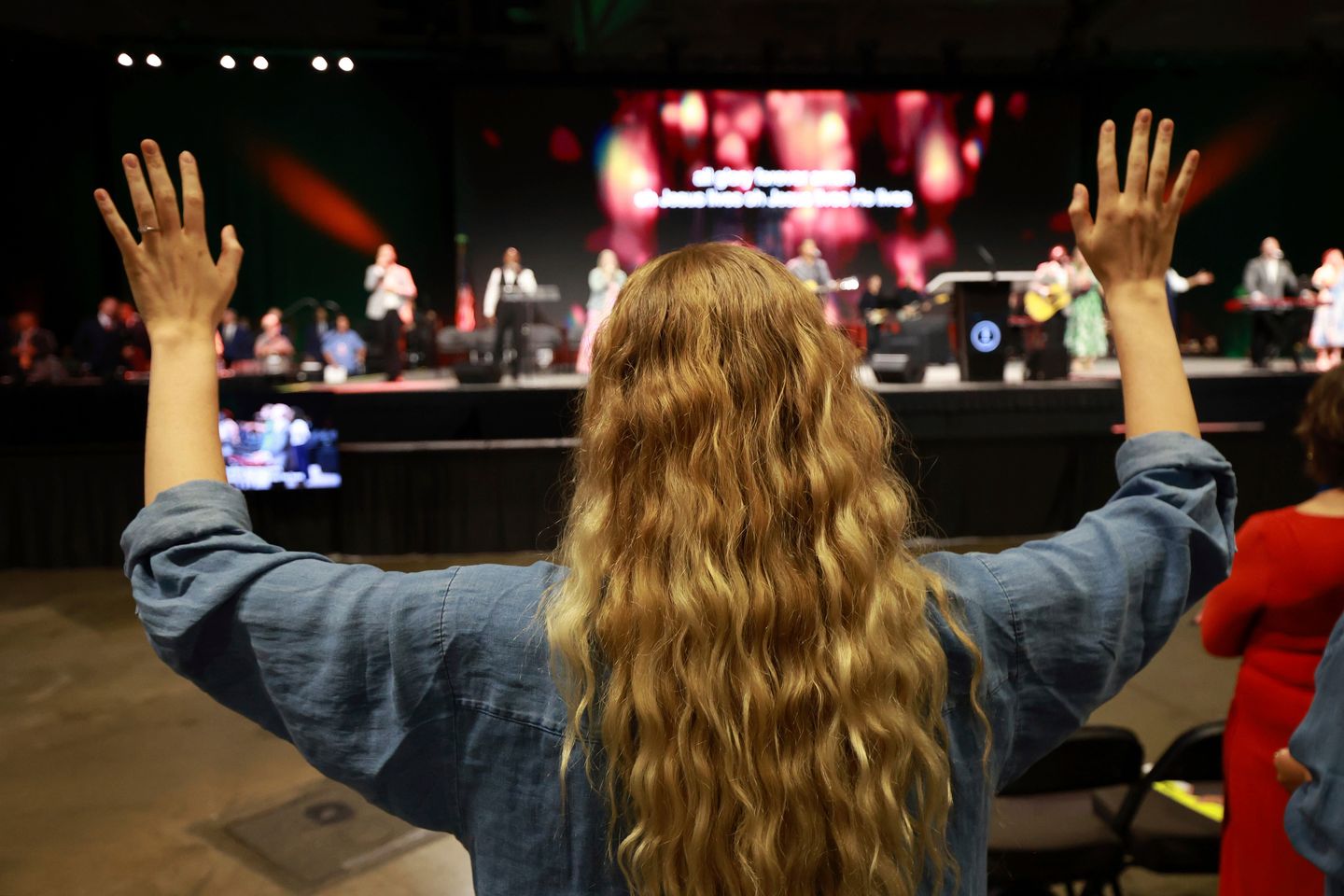
As the Southern Baptist Convention is set to convene for their annual meeting on Tuesday in Florida, the issue of women serving in roles comparable to that of a pastor is once again at the forefront of their agenda. This will be the fourth consecutive year that the topic has been up for debate. The discussion is not limited to just the top position, but expands to any role that mirrors that of a pastor within the church.
The Southern Baptist Convention is the largest Protestant denomination in the United States, boasting over 15 million members. Therefore, the decisions made by its leaders carry significant weight and can influence the practices of other Protestant denominations. The convention’s stance on women in pastoral roles has been a contentious issue for years, with some members arguing for equality and inclusivity, while others maintain that such roles should be reserved for men, as per their interpretation of the Bible.
Despite the changing socio-cultural landscape of the world, the Southern Baptist Convention has held firm in its traditional beliefs. The convention has consistently argued that the Bible prohibits women from holding positions of spiritual authority over men, a stance that has drawn criticism from both within and outside the church. Some argue that this interpretation of the Bible is outdated and inhibits the growth and progress of the church.
Opponents of the ban believe that women are equally capable of leading a congregation and argue that their exclusion from such roles is discriminatory. They contend that the church should be a place of inclusivity and acceptance, where all members, regardless of gender, should have the opportunity to serve in leadership roles.
However, supporters of the ban cite passages from the Bible, particularly from the New Testament, which they believe clearly state that pastoral roles should be reserved for men. They argue that the Bible is the word of God and, as such, its teachings should be adhered to without question.
The debate over women in pastoral roles is not a new one within the Southern Baptist Convention. In the late 1990s and early 2000s, the convention passed a series of resolutions stating that the role of pastor was strictly limited to men. These resolutions were met with resistance and led to a number of churches breaking away from the convention.
In more recent years, however, the issue has gained renewed attention. With an increasing number of women seeking pastoral roles within the church, the question of gender equality in religious leadership has become a pressing concern.
The Southern Baptist Convention’s stance on women in pastoral roles is not an isolated issue. It is reflective of a broader debate within Christianity about the role of women in the church. Many other denominations, such as the Presbyterian Church and the United Methodist Church, have long since accepted women in pastoral roles. They argue that the ability to lead a congregation and interpret the teachings of the Bible is not dependent on one’s gender.
However, the Southern Baptist Convention remains divided on the issue. With each passing year, the debate becomes more heated as more women step forward to seek leadership roles within the church. The annual meeting presents an opportunity for the convention to revisit the issue and possibly change its stance.
The discussion over women in pastoral roles is more than just a theological debate. It is a question of equality, diversity, and inclusivity within the church. The decision made by the convention will not only impact the Southern Baptist Convention but also set a precedent for other denominations.
Despite the growing divide within the convention, there is a common desire to uphold the teachings of the Bible and maintain the integrity of the church. However, how these principles are interpreted and applied is the crux of the debate.
The annual meeting is not just a gathering of church leaders, but it is a platform for open and honest discussion about the future direction of the church. The decision on women in pastoral roles will shape the future of the Southern Baptist Convention and potentially influence the practices of Protestant denominations across the United States.
As the Southern Baptist Convention prepares to convene in Florida, church leaders, members, and observers alike wait with bated breath for the outcome of this year’s discussions. The decision could mark a turning point for the convention, either affirming its traditional stance or paving the way for a more inclusive and diverse church leadership.
Regardless of the outcome, the debate over women in pastoral roles has highlighted the need for continued dialogue and understanding within the church. It underscores the importance of interpreting the teachings of the Bible in a way that is relevant to the modern world while staying true to its fundamental principles.
As the discussions commence, it is clear that the issue of women in pastoral roles is not just a matter of theological interpretation but a reflection of the changing times. Will the Southern Baptist Convention uphold its traditional beliefs, or will they adapt to the changing socio-cultural landscape? Only time will tell.