The ongoing saga surrounding the investigation into alleged election fraud in Riverside County, California, has reached a turning point with Sheriff Chad Bianco announcing a temporary suspension due to legal hurdles imposed by the state’s Attorney General, Rob Bonta. This case stems from controversy surrounding the Proposition 50 Special Election, a critical vote that seemingly redrew the political landscape of California, tipping the scales in favor of the Democrats by restructuring five traditionally Republican-held congressional seats.
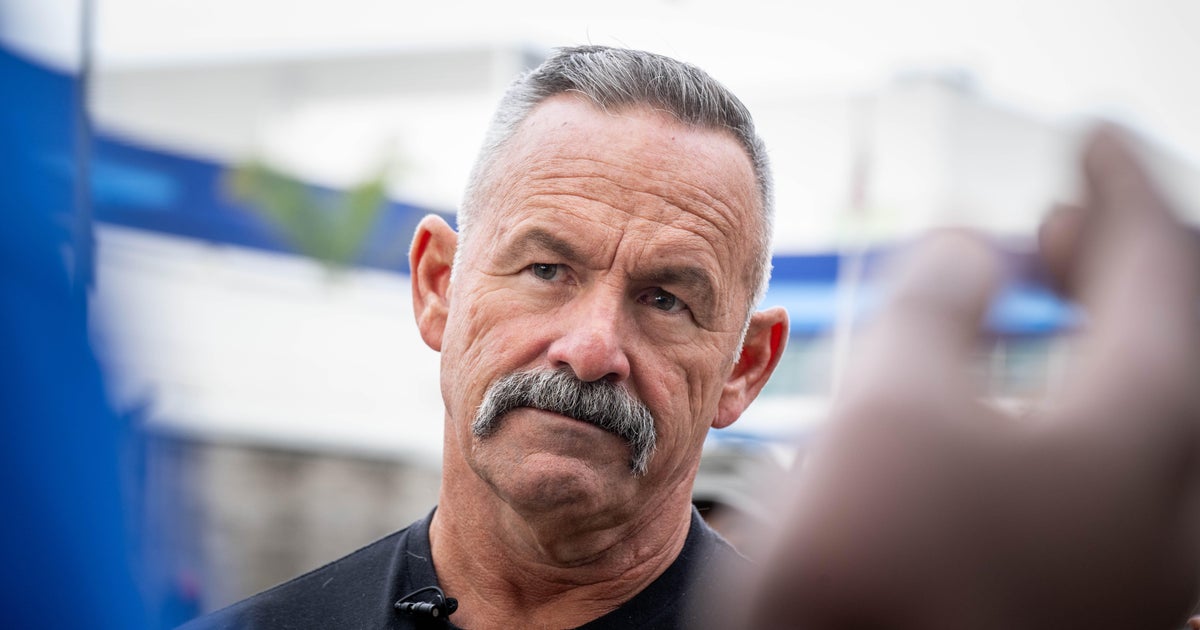
Sheriff Bianco, a candidate in the upcoming gubernatorial race, ignited a storm of political and legal confrontations by confiscating over 611,000 ballots cast in the Special Election. Bianco’s intervention was propelled by claims from a citizen’s group noting a significant discrepancy—a reported 45,000 votes—between the number of ballots counted and those cast. In his defense, Sheriff Bianco maintained that the core objective was to “Physically count the ballots and compare that result with the total votes reported.” His statements during a press briefing highlighted his concerns and suggested his determination to verify the integrity of the election results.
However, the reaction from California AG Rob Bonta was swift and firm. Bonta argued that Bianco’s actions breached legal standards by removing these ballots from the custody of the Riverside County Registrar without asserting any specific criminal activities. His office has launched a series of attempts to halt the sheriff’s inquiry, labeling the ballot seizure as not only unlawful but a direct defiance of the state’s constitution and other prevailing laws. The Attorney General’s stance was further bolstered by court efforts and public statements insisting on a cessation of Bianco’s independent recount initiative.
Complicating matters, the UCLA Voting Rights Project entered the fray, advancing a petition to the California Supreme Court. This action underscored their legal perspective that Bianco’s seizure of ballots transgressed state laws governing the management of electoral materials. Furthermore, despite a regional court denying Bonta’s request to put an immediate stop to Bianco’s activities, it did not deter efforts to suppress the sheriff’s investigation, which was evident as Bianco acknowledged the forced pause in his mission—a direct result of what he termed “politically motivated lawsuits and court filings.”
Amidst this contentious political theatre, opinions on Bianco’s motivations are widely polarized. Republican political analyst, Luis Alvarado, expressed skepticism about the Sheriff’s unilateral move, critiquing it as unprecedented and politically calculated especially in light of his gubernatorial ambitions. Alvarado emphasized the abnormality of such an action being executed without the collective involvement of legal and electoral authorities typically associated with election-related procedures.
The underlying implications of Bianco’s actions extend beyond legal entanglements and branch into the realm of public confidence in the electoral process. As the county officials and political analysts rallied to dissect the baselessness of the alleged irregularities—pointing out that the 64 percent approval rate of Proposition 50 likely wouldn’t have been affected by the recounted votes—concerns about public perception and participation surfaced. Experts like Alvarado warn that casting doubts on electoral integrity could dissuade voter turnout, presenting a broader threat to democratic engagement.
In response to these unfolding events and the sheriff’s public declarations, the Attorney General’s office remains resolute, focusing on ensuring compliance with state directives and the eventual restitution of the seized ballots to the Riverside Registrar of Voters. With a court hearing on the horizon, all eyes remain fixed on how these judicial proceedings will play out in the context of a politically charged environment where the actions of a sheriff are intersecting with state authority and electoral legitimacy.
As Riverside County braces for the outcomes that could reshape its political and legal landscapes, the broader implications for voter confidence and the integrity of the electoral process in California hang in the balance. The coming days are set to be crucial as legal arguments are heard and the state’s judicial machinery moves to address this intricate dispute that has caught the attention of observers nationwide. Meanwhile, CBS News continues to follow this developing story, ensuring the public stays informed as new details emerge in this complex confrontation between a local sheriff and state authorities over the fundamental principles of democracy and law.