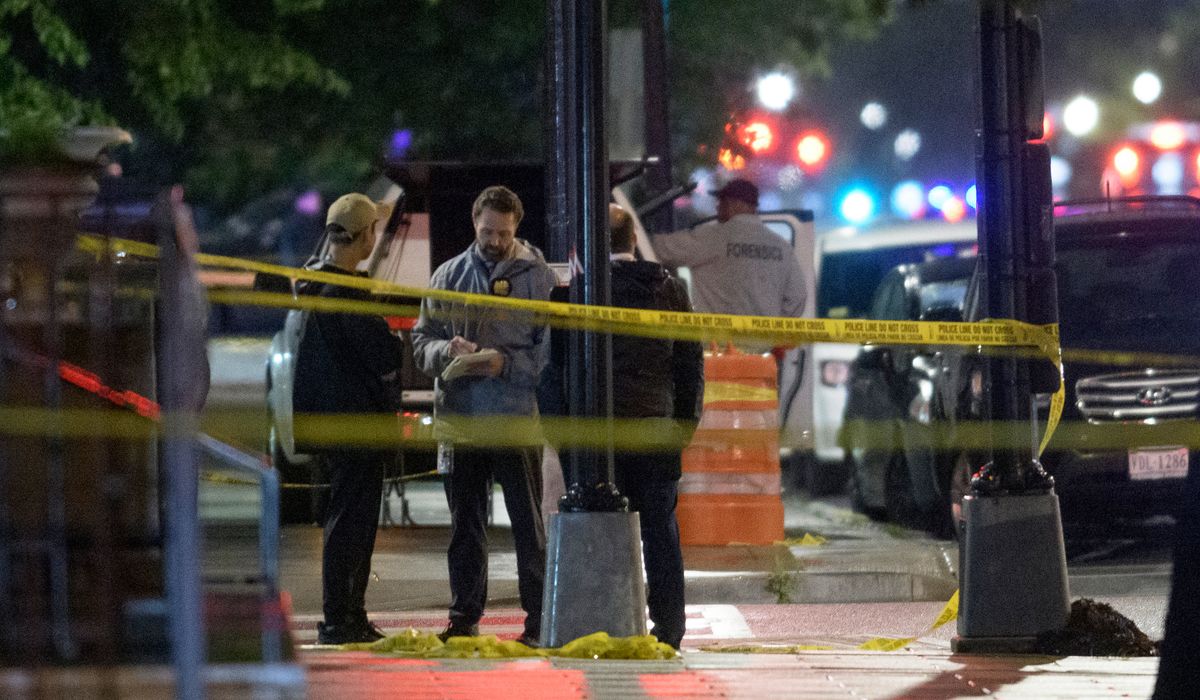
The U.S. Attorney for the District of Columbia, Jeanine Pirro, confirmed in a press conference on Friday of last week that the federal government is seeking the death penalty for the man accused of the fatal shootings of two Israeli embassy staffers in an act of violence that occurred outside the Capital Jewish Museum the previous year.
The man at the center of these serious allegations is Elias Rodriguez. He has been indicted on numerous federal counts, which include a variety of terrorism-related offenses. These charges stem from the brutal killings of Yaron Lischinsky and Sarah Milgrim. The severity of the crimes that Rodriguez is accused of is underscored by the potential maximum punishments tied to the charges filed against him; many of these charges carry the possibility of either a death sentence or life imprisonment without parole.
Before these latest charges, Rodriguez was already facing a slew of serious allegations. He had been charged with the murder of a foreign official, a crime that carries significant weight in the eyes of the law. On top of this, he was dealing with a variety of firearm-related charges, as well as two separate federal counts of hate crime resulting in death. Additional charges included two counts each of first-degree premeditated murder while armed and assault with the intent to kill while armed.
In the pursuit of securing the death penalty, federal prosecutors are tasked with the burden of proof. They must provide convincing evidence that Mr. Rodriguez intentionally targeted the young couple outside the Capital Jewish Museum because of their Jewish faith and Israeli nationality. Sarah Milgrim was an American citizen while Yaron Lischinsky was an Israeli citizen who was working in the United States at the time of their deaths.
During the press conference, Ms. Pirro issued a stern warning to any individuals contemplating acts of political violence in the District of Columbia. “My message to anyone who seeks to commit political violence in this district: D.C. is not the place. You will be held accountable, and you will face the full wrath of the law,” she stated.
The prosecution’s case against Rodriguez is further strengthened by evidence suggesting premeditation. Rodriguez had flown from Chicago to the Washington region carrying a handgun in his checked luggage. Investigators also discovered that he had specifically sought out information about the American Jewish Committee’s support for Israel prior to the attack.
Witness and surveillance accounts provide a chilling account of the crime. According to these sources, Rodriguez was seen pacing outside the museum before he approached a group of four individuals. He then allegedly opened fire, shooting his victims at close range. The victims fell to the ground as the bullets struck them.
This deadly encounter allegedly took place as the victims were leaving a “Young Diplomats Reception” held at the museum. The indictment suggests that Rodriguez approached the victims and began shooting at them with a semi-automatic handgun.
Rodriguez is then reported to have shouted “free Palestine,” before declaring, “I did it for Palestine. I did it for Gaza.” As he was being removed from the museum following the shooting, he is reported to have shouted, “Shame on you” and “Shame on Zio-nazi terror.”
Friday’s court filing included further details on the motivations behind Rodriguez’s actions. Prosecutors believe that Rodriguez was “motivated by political, ideological, national, and religious bias, contempt, and hatred.” This belief is substantiated by his apparent targeting of individuals whom he perceived to have attended an event for young Jewish professionals. This event was organized by the American Jewish Committee and hosted at the Capital Jewish Museum. Prosecutors argue that Rodriguez chose these individuals as his victims to “amplify the effect of his crimes.”
Elias Rodriguez’s case is scheduled to be heard next on June 30. However, a trial date has not yet been scheduled. The nation and indeed the world will be watching closely as the case unfolds. The incident has left a scar on the community and has raised serious questions about security measures and the rise of hate crimes. This trial will not only determine Rodriguez’s fate but will also set a precedent for how such heinous crimes are dealt with in the future.