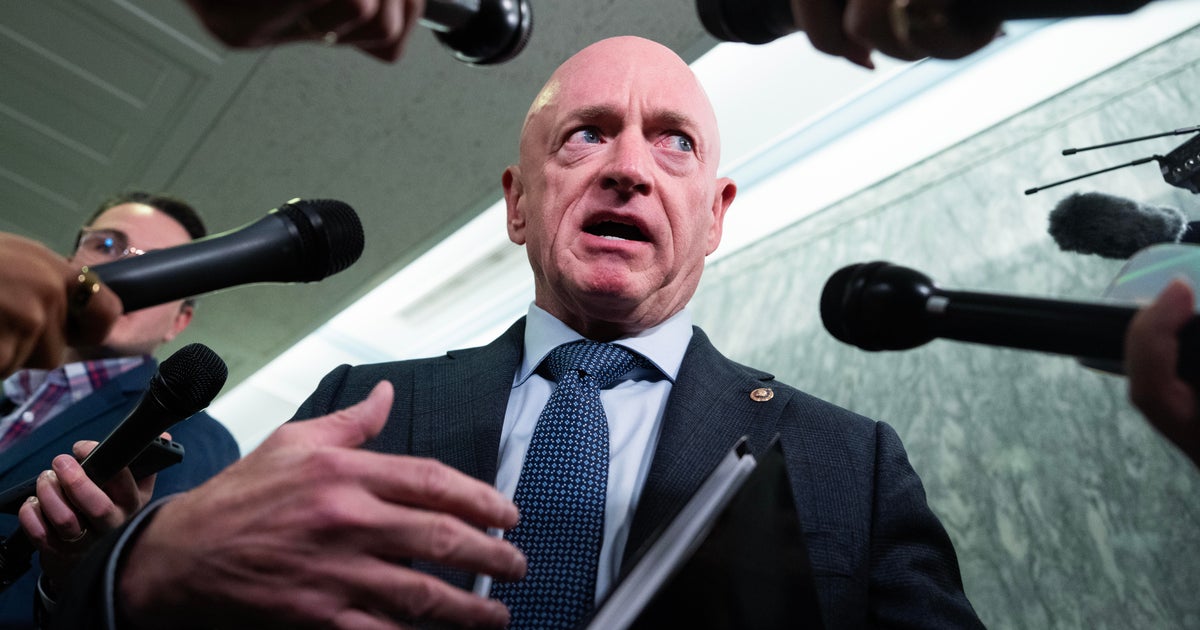
In recent developments from the Pentagon, an investigation concerning Senator Mark Kelly of Arizona is undergoing an escalation. The senator, a Democrat, was one of six lawmakers who participated in a controversial video addressing service members to deny obedience to unlawful commands. This move by the Pentagon, which is increasingly scrutinized by Democratic figures, raises questions about the boundaries between military obligations and political accountability.
The Department of Defense, perhaps controversially renamed the “Department of War” under the current administration, initiated a review last month. The focus was to explore the legality and potential consequences of recalling Senator Kelly to active duty for possible court-martial or administrative action. This step has unearthed a complex legal and constitutional battleground, involving not just military laws but also the implications it holds for civilian oversight and the protected speech of elected officials.
On Monday, a Defense Department official informed CBS News about the transition from a preliminary review to a more intensive command investigation. Such investigations are typically initiated by military commanders to delve deeper into serious allegations against service members, including those in a retired status like Senator Kelly, who previously served as a Navy Captain.
The gravity of the allegations led the department to limit additional commentary on the ongoing process to protect the integrity of the investigation. Meanwhile, Senator Kelly has firmly responded, denouncing the investigation as an abuse of power by President Trump and Defense Secretary Pete Hegseth. He articulates that such actions against him and potentially others are not only unjust but dangerously authoritarian. Kelly affirmed his commitment to continue his duties as a representative of Arizona, regardless of the pressures exerted by the administration.
Further complicating matters, Kelly’s attorneys have already reached out to Navy Secretary John Phelan. They argue that the proceedings lack a legitimate basis and escalate into unconstitutional territories, marking it as an extraordinary overreach of executive power. They pledged to undertake all necessary legal measures should the administration proceed with any form of criminal or disciplinary actions against the senator.
At the heart of this issue is a video featuring Senator Kelly and five other Democrats—all with backgrounds in the military or intelligence sectors. They collectively remind service members of their duty and right to refuse orders they deem illegal. This message, though rooted in established military law that commands must not follow manifestly unlawful orders, has stirred controversy particularly against its political backdrop.
The lawmakers aimed to spotlight what they see as inappropriate military deployments under President Trump’s directives, including contentious instances like the suggested targeting of terrorist families and the proposed deployment of troops to manage civil unrest in places like Chicago. President Trump has fervently rejected any claims of having issued unlawful orders and openly criticized the video as “seditious behavior,” implying severe penalties.
The discourse has cast a shadow over the implications such a stance might have on military discipline and morale, with Hegseth suggesting that the video promotes doubt and discord among the ranks. The issue’s sensitivity is further highlighted by a separate FBI inquiry into the other five Democrats involved in the video, again triggering debates about the intersection of governmental authority and individual rights.
This unfolding situation places Senator Kelly in a precarious legal and political dilemma, where his past service in the Navy intersects with his current role in political opposition. Legal experts, as referenced in various reports, suggest that prosecuting the lawmakers would face significant barriers, given the constitutional protections afforded to them and the complex nature of interpreting what constitutes an illegal order.
As the investigation into Kelly escalates, the broader implications for civil-military relations, freedom of political expression, and the administration of justice under the military code remain sharply in focus. The case may well become a significant touchstone in discussions about military ethics, the limits of executive power, and the role of elected officials who are also military veterans.
Contributing to the coverage of these developments are reporters Alan He and Nikole Killion, shedding light on the nuanced aspects of this critical issue which continues to evolve, drawing the attention of the nation towards the intricate balance of power, duty, and rights within the United States’ constitutional framework. As this situation unfolds, it remains crucial for the media, legal experts, and the public to keep a close watch on the implications this case may have on future governance and military protocols.