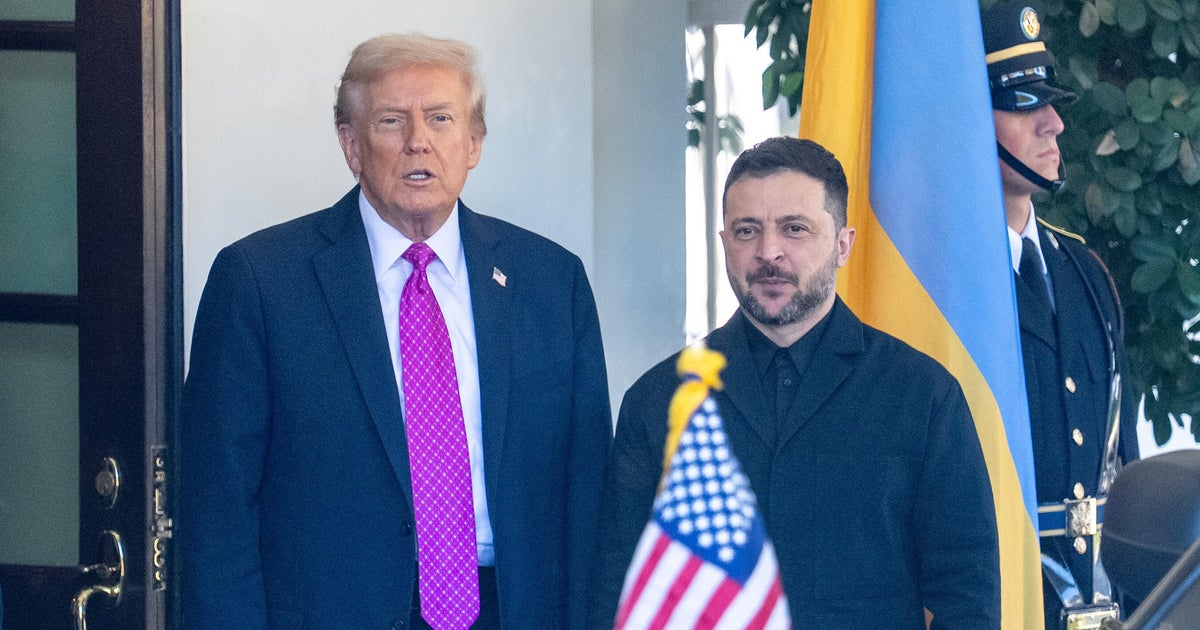
In the recent developments surrounding the Ukraine-Russia conflict, Ukraine has announced its agreement on “the core terms” of a peace deal managed through U.S. mediation. The confirmation of this agreement comes as discussions are being held in Abu Dhabi focusing on finalizing the details. However, specifics relating to any amendments to the Trump administration’s original 28-point proposal have not yet been disclosed.
This follows a report by CBS News about the Trump administration proposing a comprehensive 28-point peace framework designed to conclude the longstanding hostilities between Russia and Ukraine. The proposal necessitates significant compromises from Ukraine, including the cession of its eastern territories known as Donbas, along with Crimea, and the formal renunciation of its NATO membership aspirations.
Senior officials from both the Ukrainian and Russian sides have been engaging in deliberations based on this document, which was drafted in response to comments provided by both parties. However, it remains unclear if a mutual understanding will be reached, as adjustments to the proposal are still under negotiation.
European entities were made aware of the U.S.’s initiative but were excluded from the drafting process, European officials told CBS News.
At a meeting conducted on October 24 in Miami, President Trump’s envoy, Steve Witkoff, engaged with Kirill Dmitriev, a top advisor to Russian President Vladimir Putin, to prepare the peace plan. Another meeting took place involving Rustem Umerov, a high-ranking member of Ukrainian President Volodymyr Zelenskyy’s team. Although Umerov was involved, he asserted on social media platform X that his role was limited to technical discussions and that he did not possess the authority to appraise or endorse any elements of the proposal.
President Zelenskyy himself had discussions with the U.S. Army Secretary Dan Driscoll in Kyiv. Post these discussions, Zelenskyy mentioned on X that they had reviewed “points of a plan to end the war” which outlined America’s strategic proposals, although no concrete agreement was yet in place.
According to the White House, these interactions were described as productive, including a 45-minute direct discussion between Driscoll and Zelenskyy. The proposed peace framework suggested by the Trump administration aims to create a cessation of all hostilities immediately if both sides consent.
Under the current terms of the proposal, Russia would retain control over the occupied Ukrainian territories, including significant parts of Donetsk and Luhansk along with Crimea. Ukraine would also need to recognize these territories formally as Russian, therefore altering current boundaries. For Dmitry and Luhansk regions under Ukrainian control, a demilitarized buffer zone with no Russian military presence is suggested.
Furthermore, the plan outlines that Ukraine should limit its military personnel to no more than 600,000. This is a notable reduction compared to the current strength of 880,000 military personnel as reported by Zelenskyy in January.
Another major pivot in Ukraine’s international alliances under the proposed plan would be the formal withdrawal from pursuing NATO membership, instead, it would pursue membership in the European Union. The proposal requires an amendment to the Ukrainian constitution to reflect this political shift. NATO, on its part, would also pledge not to extend its membership to Ukraine.
Economically, the plan includes a vision for rebuilding Ukraine through a directed effort involving substantial funds. This includes investment in infrastructure, technology, and energy sectors, amounting to nearly $200 billion from both U.S. and European contributors.
The peace deal also brings into play a broader geopolitical dimension with a call for Russia to refrain from military actions against neighboring countries, a mutual non-aggression pact among Russia, Ukraine, and Europe, and provisions for further economic and military cooperation to be explored through U.S.-Russia dialogues.
However, challenges remain as these terms pose substantive sovereignty and security trade-offs for Ukraine, especially in terms of territorial and political concessions. The outcome of ongoing negotiations will have to find balance to reach a durable resolution to this conflict that has dragged on for many years.