Astoria, Oregon, a quaint coastal city nestled in the Pacific Northwest, is forging ahead with an innovative approach to disaster preparedness that could serve as a model for health care facilities worldwide. Known for its scenic vistas and historic charm, Astoria is also a city acutely aware of its vulnerability to natural disasters, particularly tsunamis and earthquakes.
Modernizing Emergency Infrastructure
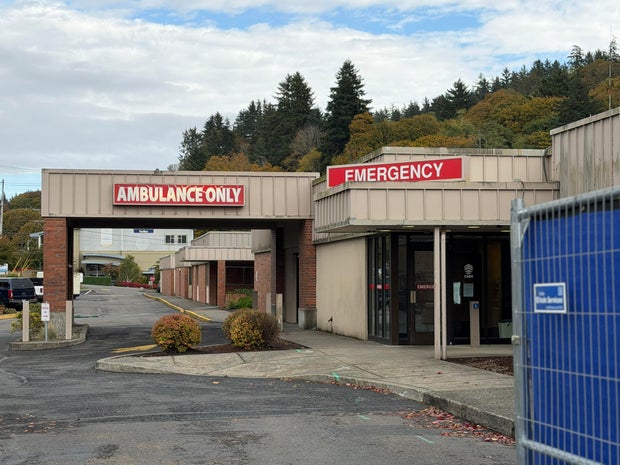
Much of the city’s current interest in disaster preparation is centered around Columbia Memorial Hospital, Astoria’s primary healthcare facility. The hospital, originally built over fifty years ago, stands as a wood-framed, single-story structure. Concerns about its ability to withstand a major natural disaster have prompted significant discussions about safety and infrastructure resilience. Erik Thorsen, the hospital’s CEO, expressed serious concerns about the existing hospital’s capacity to handle the seismic and tsunami threats inherent to the region.
A new facility is under construction adjacent to the existing hospital. Specially designed to endure the tremendous forces of an earthquake and the subsequent waters of a tsunami, this new building will be equipped with an on-site tsunami shelter, lifted above potential flood levels on deep, stable columns. This ambitious project aims not just to safeguard the hospital’s operational capabilities but also to protect nearly 2,000 area residents who might seek refuge from a tsunami’s surge.
A Community’s Proactive Step Forward
This initiative is bolstered by a significant financial push from various government levels. Columbia Memorial Hospital was slated to receive a $14 million grant from the Federal Emergency Management Agency (FEMA) through its Building Resilient Infrastructure and Communities (BRIC) program. However, soon after the hospital broke ground on the project in October 2024, the BRIC program was abruptly canceled under the Trump administration, which criticized it as wasteful and misdirected. This sudden revocation of funds was described by Molly Wing, the project’s director, as a shocking setback to their plans.
Oregon, among 19 other states, filed a lawsuit to counteract the termination of the program, highlighting the critical need for sustained federal support in disaster-prone areas. A court ruling in December declared the cancellation of the BRIC program illegal, noting that it was terminated without congressional approval.
Building Beyond Tomorrow
The planned hospital and tsunami shelter represent more than just structural enhancements; they embody a commitment to ensuring community resilience against inevitable natural catastrophes. The new hospital will be a multi-story structure anchored into bedrock, featuring reinforced concrete columns to buffer against tsunami debris. This facility will prioritize critical patient care areas well above the tsunami inundation zone.
The highlight of the facility is the rooftop shelter designed to hold up to 1,900 individuals in the event of a tsunami, complete with supplies to sustain them for up to five days. This comprehensive approach underscores a broader vision where hospitals are not merely places for treating illness but sanctuaries in times of dire need.
Challenges and the Path Forward
Despite facing financial hurdles with the BRIC funds’ cancellation, hospital leadership remains determined to forge ahead, though they may need to secure alternative funding or scale back some features of the project. The tension underscored by this funding tussle highlights the broader national debate on disaster preparedness funding and the federal government’s role in it.
Environmental changes and historical data suggest that the Cascadia Subduction Zone, located just off the Pacific Northwest coast, is due for a significant seismic event. This fault line, capable of producing earthquakes at or above magnitude 9, poses a severe risk to the region. Hence, fortifying critical infrastructure in this area is essential not just for Astoria but for the broader coastal region.
Conclusion
The undertaking at Columbia Memorial is an exemplar of proactive disaster preparedness that blends modern engineering with critical healthcare functionalities. As Astoria, and similar coastal communities worldwide brace for future natural disasters, the decisions made today — from infrastructure to funding allocations — will dictate their resilience and capacity to protect human lives against the unpredictable fury of nature.