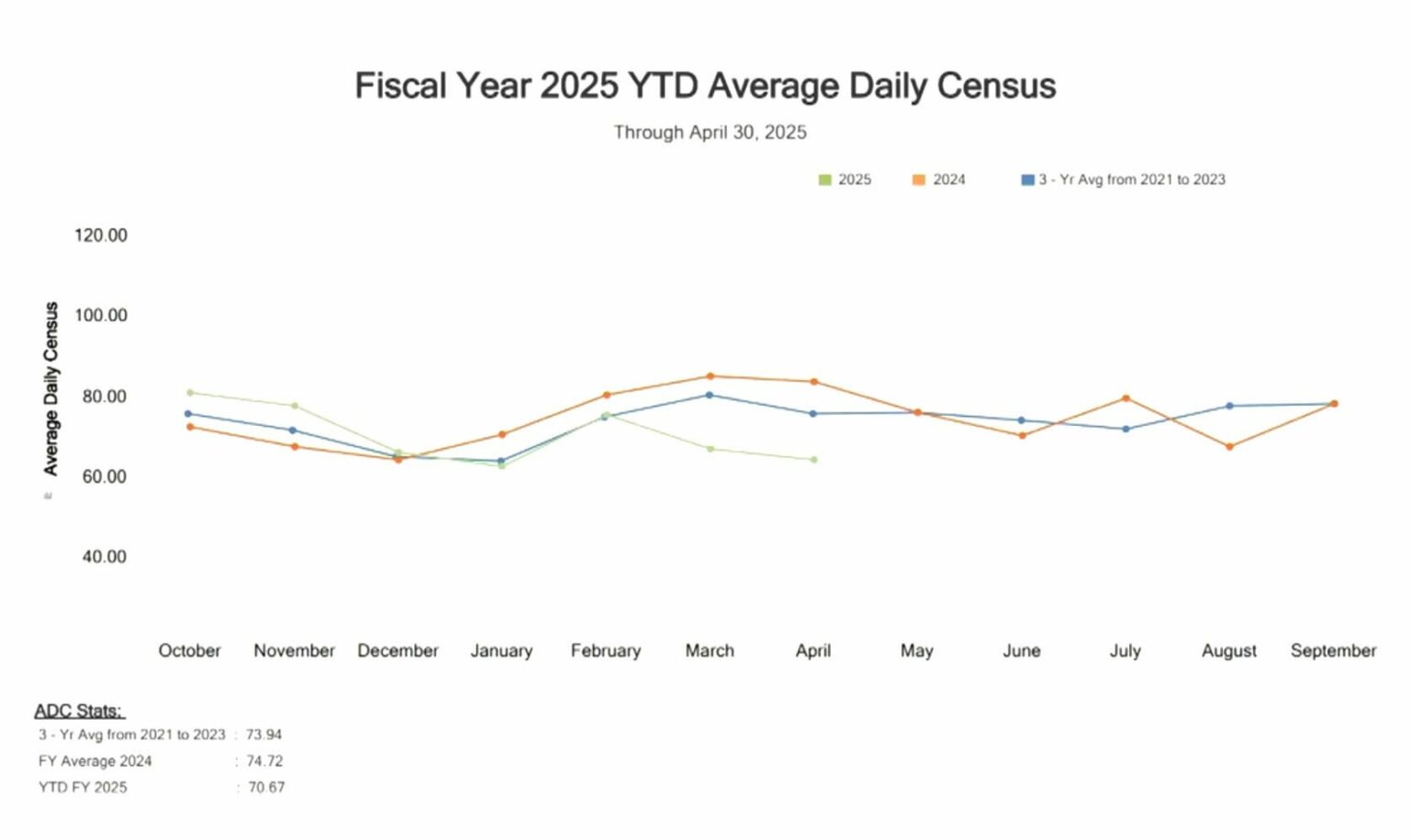
The National Institutes of Health (NIH) Clinical Center, celebrated for its role in treating patients with rare and life-threatening diseases, has witnessed a significant decline in patient numbers under the second Trump administration. This pattern emerged distinctly from February to April, a period marked by controversy within the U.S. Department of Health and Human Services (HHS), including mass firings of government employees, scaling back scientific endeavors, and tightening immigration policies. During this timeframe, average daily patient counts fell to somewhere between 60 and 80, reaching lows around April, compared to about 80 daily patients in October of the previous year.
One sector notably impacted has been cancer clinical trials, with participation reportedly down by 20% as of July compared to the previous year. This was disclosed by an NIH cancer researcher, who chose to remain unnamed due to concerns about potential backlash and the sensitive nature of the data.
Pius Aiyelawo, acting CEO of the Clinical Center, during a meeting of the NIH Clinical Center Research Hospital Board on May 23, acknowledged the concerning drop in patient attendance. Comparative figures presented in the meeting indicated a 5.7% decrease in average daily patients by April 30 compared to the year before. This downtrend was illustrated graphically in a retrospective review of patient volumes, emphasizing a stark reduction in March and April 2025 compared to averages seen in October.
The NIH Clinical Center has long been a beacon of hope for adults and children with cancer, individuals in need of bone marrow transplants, and patients afflicted by rare diseases or infections. The services provided are often pro bono, focused on potentially life-saving clinical trials for those who have exhausted all other treatment avenues.
Historically, the NIH has been pivotal in fostering medical breakthroughs. James Gilman, who served as the clinical center’s CEO from 2017 until his retirement in January, noted that the institution has been instrumental in advancements against formidable ailments such as cancer, traumatic brain injuries, and AIDS.
Nonetheless, the current declining trend in patient numbers is largely attributed to the broader disturbances caused by the Trump administration’s policies at NIH, which is recognized as the foremost public funder of scientific research worldwide. Current and former employees report that an exodus of clinicians, researchers, and other staff, alongside diminished morale tied to widespread layoffs and cancellation of crucial research grants, has severely constrained the hospital’s operational capacity. The withdrawal of grants affected research in areas such as health disparities, vaccines, and LGBTQ+ health. Additionally, delays in procurement of necessary supplies for ongoing clinical inquiries have posed further challenges.
The distress within the NIH community was palpable as staff adjustments and policy changes interfered directly with patient care. The reduction in employees, including high-profile departures like Christine Grady, head of the center’s bioethics department and spouse of Anthony Fauci, have undermined the institution’s ability to sustain its patient recruitment and retention efforts.
Despite these obstacles, the NIH Clinical Center documented around 1,500 ongoing research studies in 2024, spanning various focal points including cancer, infectious diseases, and cardiovascular and blood conditions, half of which were clinical trials.
Even the National Cancer Institute, a critical component of NIH comprising numerous institutes, has endured severe disruptions due to budgetary cuts and administrative chaos, further complicating patient care dynamics. As Gilman poignantly observed, the intricate ecosystem supporting patient acquisition for clinical trials has deteriorated, leading to potential non-participation of eligible individuals when investigators leave the center.
Amidst these tribulations, overall visits and new patient registrations also declined by the end of April, down 8.5% and 6.7% respectively compared to the previous fiscal period. In an apparent counter-narrative, spokesperson Andrew Nixon from HHS emphasized that the Clinical Center was still “fully operational,” continuing to set benchmarks in clinical research and patient care. Under Director Jay Bhattacharya’s guidance, HHS purportedly remains committed to harness the center’s research prowess to advance medical breakthroughs.
However, disruptions extended beyond patient care alone. The federal government’s tightening of regulations around foreign visitors, which likely deterred undocumented U.S. residents from seeking treatment, compounded fears. The policy shift requiring all non-U.S. citizens or non-permanent residents to register online before access had its introduction staggered but took effect just as the Trump administration ramped up its deportation maneuvers.
With the NIH Clinical Center’s 2025 annual report acknowledging about 600 international patient visits in 2024 alone, the climate of uncertainty and fear among prospective international visitors is palpable, given the heightened scrutiny and enforcement actions by the Department of Homeland Security.
This multifaceted crisis within NIH reflects not only the complex interdependencies that define contemporary healthcare and scientific research but also the influence of political and administrative decisions on public health infrastructure. The ongoing situation at NIH presents a critical moment of reflection for stakeholders across the spectrum, urging a reevaluation of how policy shifts impact the delicate balance between scientific inquiry, clinical care, and public health outcomes.