The geopolitical landscape has once again become intensely volatile with rising tensions between the United States and Iran, particularly over the strategic Strait of Hormuz. This key waterway, responsible for about 20% of the world’s oil transit, has become the center of escalating threats and military posturing that could have far-reaching implications for global energy security and regional stability.
In a recent high-profile statement, President Donald Trump starkly escalated the stakes with a direct threat aimed at Iran’s energy infrastructure. Speaking via his Truth Social platform, President Trump cautioned that the United States would “hit and obliterate” Iran’s power plants if the Strait of Hormuz were not reopened within the next 48 hours. This communique came after Iranian military forces reportedly closed the waterway to most ship traffic amid ongoing regional conflicts, marking three weeks since the volatile closure began.
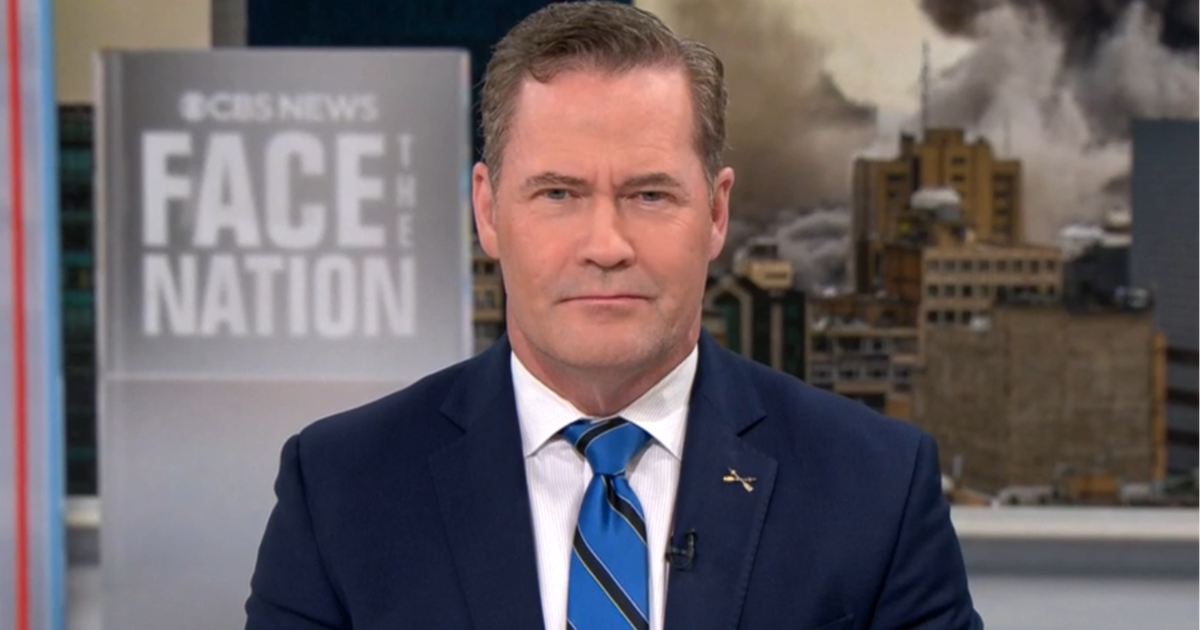
Echoing President Trump’s firm stance, Ambassador Mike Waltz, the United States Representative to the United Nations, reiterated the administration’s readiness to consider all possible responses. In his appearance on “Face the Nation with Margaret Brennan,” Waltz expressed that nothing was off the limits, emphasizing that the President had made his position clear on dealing with what he described as Iran’s antagonistic actions. Furthermore, Waltz did not shy away from highlighting the intertwined nature of Iran’s government and military, particularly pointing to the influence of the Islamic Revolutionary Guard Corps (IRGC), which is recognized as a terrorist organization by not only the United States but also several European nations.
Waltz argued that the IRGC’s substantial control over Iran’s key economic and infrastructural sectors justifies stringent measures to cripple their operational capabilities. This includes potentially targeting energy sites that play a dual role of serving the nation’s public needs and its military objectives. Such a strategy, according to Waltz, is centered on weakening the military and defense industrial base of Iran, areas deemed essential for the IRGC’s dominance within the country.
The debates are equally intense on the international front, with U.N. Secretary-General António Guterres recently suggesting that attacks on energy infrastructure could constitute war crimes. This statement complicates the moral and legal dimensions of the proposed military actions against Iran. Responding to this, Waltz outlined that the pivotal criteria for target selection would hinge on their military value, attempting to alleviate concerns about potential war crimes by focusing on legitimate military targets involved in systemic repression and regional aggression.
The strategic implications of targeting such infrastructures raise another layer of complexity, considering the essential nature of water desalination linked to energy resources in the arid region. Waltz assured that detailed planning would be in place to mitigate any potential humanitarian impacts, reaffirming the focus on military infrastructures alone.
Meanwhile, President Trump also highlighted the broader international dimension to securing the Strait of Hormuz, indicating a need for heightened guarding and policing by global powers that rely on this maritime route. Following up on this, Waltz mentioned that countries including Italy, Germany, France, and Japan, among others, have shown a readiness to collaborate in ensuring safe passage through the waterway. This represents a blend of unilateral and multilateral tactics aimed at addressing the challenges posed by Iranian policies, which according to Waltz, have attempted to leverage global energy supplies to promote the regime’s ideological and militant objectives.
As the situation unfolds, the world watches closely, understanding that the outcomes here could redefine international relations in the Gulf region, impact global oil markets significantly, and dictate future diplomatic engagements. While the U.S. showcases readiness for severe military actions, the intricate layers of legal, moral, and strategic considerations continue to evolve. What remains clear is the administration’s determination not to let the Strait of Hormuz, a vital artery for global energy transport, remain under threat from what it perceives as Iran’s hostile regime.
The broader geopolitical chessboard will necessitate careful maneuvering as global powers work to ensure that escalations do not spiral into greater conflict while still safeguarding their strategic and economic interests. The international community remains poised, hoping for a resolution that secures peace and stability in a region too often rocked by turmoil and conflict.