Amidst the intricacies of international relations and nuclear diplomacy, Iran has tentatively agreed to address the core concerns of the United States regarding its nuclear program by committing in principle to dispose of its highly-enriched uranium reserves. This concession forms a pivotal part of the ongoing negotiations between the two nations. However, despite this fundamental agreement, a final contract is not expected to be concluded immediately, with senior Trump administration officials indicating it likely won’t materialize this weekend.
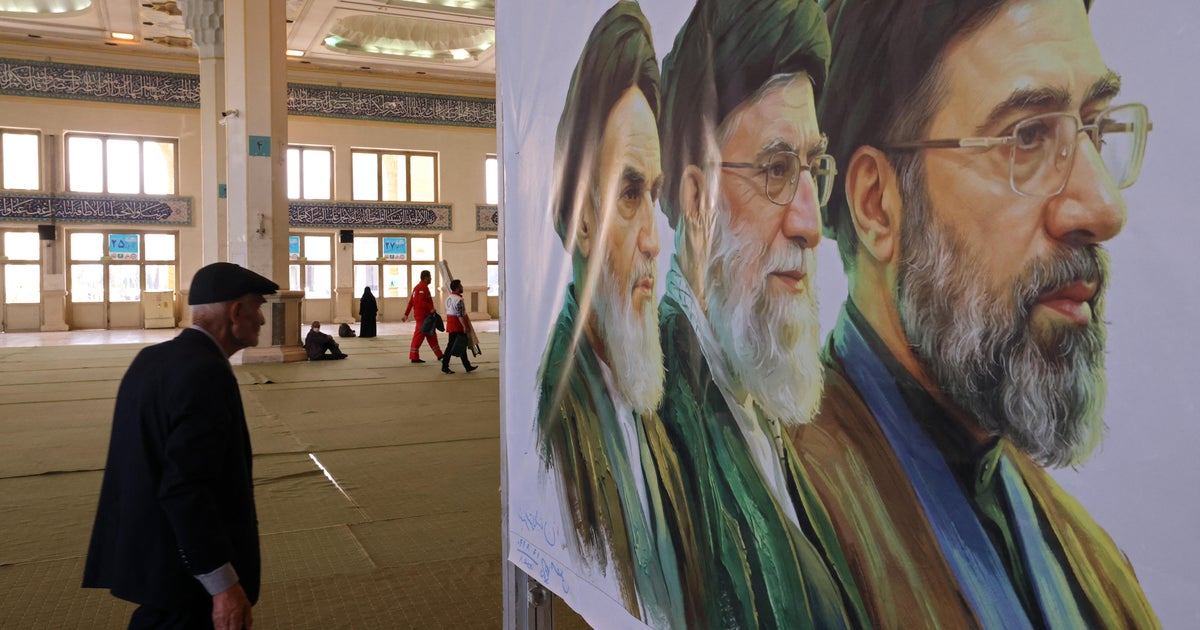
The process leading to this tentative accord has been anything but straightforward. According to a senior official within the Trump administration who spoke on Sunday morning, it is believed that Iran’s supreme leader has sanctioned the basic framework of the deal. Yet, the confirmation and execution of these terms remain pending, casting a shadow of uncertainty over the eventual outcome.
Historically, the Iranian political and bureaucratic landscape has presented a complex challenge, described by the official as “frustratingly slow and opaque”. This complexity has only deepened post-Operation Epic Fury, further complicating U.S. diplomatic engagements with Tehran. Should a final agreement be drafted, it is expected to undergo a thorough domestic vetting process in Iran, which could extend over several days, making immediate results unlikely.
The structure of the proposed agreement is envisioned as a phased approach, initially focusing on the strategic opening of the Strait of Hormuz coupled with the lifting of the U.S. blockade. This initial phase is critical, given the Strait’s vital role in global oil shipments and economic stability. The subsequent phase would involve detailed discussions and arrangements concerning Iran’s disengagement from specific aspects of its nuclear ambitions.
Central to the U.S. objectives in these negotiations is ensuring that Iran commits unequivocally to the elimination of its stockpiled highly enriched uranium, which poses a significant proliferation risk. Moreover, the deal seeks broader resolutions to various nuclear-related issues. U.S. negotiators believe that the emerging framework represents a more favorable deal than the 2015 agreement reached under former President Barack Obama, which permitted Iran to continue nuclear enrichment up to certain limits.
Among the outstanding areas still under deliberation is the precise mechanism through which the disposition of uranium would be managed, a critical element requiring direct input from representatives empowered by Iran’s supreme leader. Another sensitive issue is the potential unfreezing of Iranian assets. The senior Trump administration official emphasized that any sanctions relief provided by the U.S. would correspond directly to Iran’s delivery on its commitments, aligning strictly with America’s national security priorities.
“I think we’re actually in a very good place,” the official remarked optimistically about the ongoing discussions, confident in the possibility of reopening the Strait of Hormuz and satisfying the administration’s criteria concerning nuclear material.
High-profile U.S. figures including Vice President JD Vance, Middle East envoy Steve Witkoff, and President Trump’s son-in-law Jared Kushner, have been actively involved in the negotiations. The U.S. strategy aims to incorporate a multilateral regional approach, engaging key Middle Eastern allies in a collective effort to stabilize the situation and ensure security interests are met across the board.
President Trump himself has publicly commented on the state of negotiations. On Saturday, he described the peace deal as “largely negotiated”, signaling significant progress. Yet, in a demonstration of cautious diplomacy, he also expressed on social media his directive to U.S. negotiators not to hasten the deal, emphasizing that “time is on our side”. This statement reflects a strategic patience, allowing for a more thorough and considered approach to the negotiations.
According to the senior official, the posture of the Iranian negotiators has undergone a notable shift. Post the six-week military campaign, Iran has begun to make significant accommodations on issues previously deemed non-negotiable. This evolution in Iran’s stance might be indicative of a broader realization of the geopolitical and economic benefits that could stem from a successful negotiation.
In conclusion, while substantial progress has been made in the diplomatic dialogue between the United States and Iran, many elements remain finely balanced between agreement in principle and concrete action. The eventual success of these negotiations will hinge on the detailed and careful conversion of preliminary agreements into actionable commitments, ensuring both immediate and long-term benefits for regional and global stability.