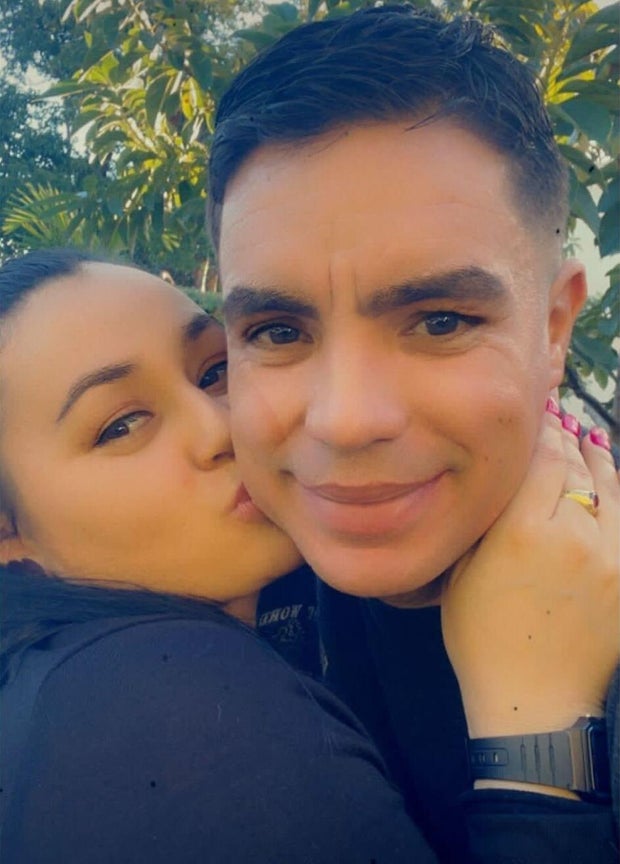
In a heartening turn of events that underscores the complexity and often poignant intersection of military service and immigration law, the wife of an active-duty U.S. Army soldier, Sgt. 1st Class Jose Serrano, has been released from Immigration and Customs Enforcement (ICE) custody following a month-long detention. The release, which occurred in El Paso, Texas, took place after heightened media coverage and advocacy efforts spotlighting her case.
Deisy Rivera Ortega, originally from El Salvador, found herself at the center of this personal and national story when she was detained on April 14 while attending a crucial immigration appointment aimed at regularizing her status in the United States. This appointment was centered around one of the key immigration programs, known as Parole in Place (PIP), designed specifically to offer protection from deportation for family members of U.S. military personnel. This program acknowledges the sacrifices and contributions of U.S. service members, recognizing that stability and peace of mind regarding the safety of loved ones are crucial to their effective service.
Her arrest came despite her history in the U.S., a country she had lived in for approximately a decade. It sparked a series of events reflecting broader debates on immigration policies, particularly those affecting military families. At the time, her husband Jose, who has served in the Army for a notable 27 years—with three deployments to Afghanistan—expressed his profound emotional turmoil caused by the detention of his spouse. He recounted the challenges he faced in balancing his demanding career in the military with his personal life, increasingly affected by legal uncertainties.
The news of Rivera Ortega’s detainment not only shined a light on her situation but underscored a series of detentions involving relatives of U.S. service members, a practice that has become more frequent under policies enacted by recent presidential administrations. These occurrences hark back to an earlier call for stringent deportation campaigns, aiming to uphold nationwide security yet leading to numerous cases perceived as particularly harsh towards military families.
During her detention, Rivera Ortega faced the possibility of bisectional removal—deportation to a third country other than her native El Salvador—due to her peculiar legal status protected under the United Nations Convention Against Torture. Despite this coverage, she wasn’t eligible for direct return to her country of origin due to the serious threats she could face there but was still vulnerable to removal to other nations.
Under the strain of his wife’s legal precarities, Serrano detailed his struggles with mental health, augmented by her detention. Drawing upon his experiences of PTSD, depression, and a traumatic brain injury sustained during service, he discussed the intensified emotional distress the situation brought upon him and the worrisome prospect of a family separated by national borders.
The decision to release Rivera Ortega, fortunately, came after intervention at the highest levels, according to statements released by officials. Notably, Democratic Senator Tammy Duckworth of Illinois, herself a combat veteran, played a critical role in advocating for Ortega’s release. Her office’s involvement illustrated the importance attributed to protecting the rights and welfare of those linked to U.S. military service members, recognizing their exceptional sacrifices.
The senator emphasized the need for continuous support for veterans and their families, indicating a legislative interest in ensuring their protection under the law. This echoed a broader sentiment calling for the humane treatment of non-citizen family members who, by extension, serve the country through their support of enlisted individuals.
Beyond the joy and relief felt by the Serrano family at the news of the release, which was greeted with emotional embraces and tears, the case draws attention once more to the ongoing debates concerning military families caught in the bureaucratic limbo of immigration procedures.
Jose Serrano’s resolution, in light of these challenges, is to persist in navigating the immigration system to secure his wife’s legal status firmly. Their commitment reflects a broader narrative shared by many military households grappling with similar issues—a testament to the collision between duty to the nation and the allegiance to family responsibilities.
Through the tireless efforts of individuals and policymakers, there emerges a poignant narrative that reflects on national identity, service, sacrifice, and the continuous endeavor toward a balanced, compassionate approach to immigration as it intersects with the lives of those who have committed themselves to the highest service of the United States.