Princeville, North Carolina — Mark Chapel Baptist Church, nestled on a single-lane road in Eastern North Carolina, serves as a gathering place for a congregation deeply rooted in faith and community. In this historic Black Belt region, where African Americans have represented the 1st Congressional District since 1992, the importance of their vote is emphasized in every sermon and gathering.
The political landscape in the 1st Congressional District is undergoing a shift, with the possibility of electing a Republican for the first time since 1883. This district, known for its majority-Black population, has been a Democratic stronghold for decades. However, recent trends suggest a closer race, with North Carolina emerging as a key swing state with 16 electoral votes at stake.
In the past two presidential elections, the margins for Republicans in North Carolina have narrowed significantly. Donald Trump secured a victory in 2016 by 3.6 points and barely edged out Joe Biden in 2020 by a mere 1.3 points. The 1st District now stands as the state’s only competitive congressional race following North Carolina’s redistricting.
The new congressional map is expected to tilt in favor of Republicans, with projections indicating a potential shift to 10 Republicans and three Democrats in North Carolina’s congressional delegation. The Cook Political Report identifies the 1st District as a tossup, highlighting the significance of every vote in this pivotal election.
Vice President Kamala Harris recently visited East Carolina University in Pitt County, a region redistricted out of the 1st Congressional District into the 3rd Congressional District, which is expected to elect a Republican representative. Incumbent Democratic Rep. Don Davis, who currently represents the 1st District, addressed the crowd before Harris’s speech, underscoring the importance of maintaining Democratic representation in the area.
Former Representative Eva Clayton, who previously served the district, reflected on the changing political dynamics. She noted the challenges faced by the incumbent representative in navigating the new district boundaries and the evolving electoral landscape.
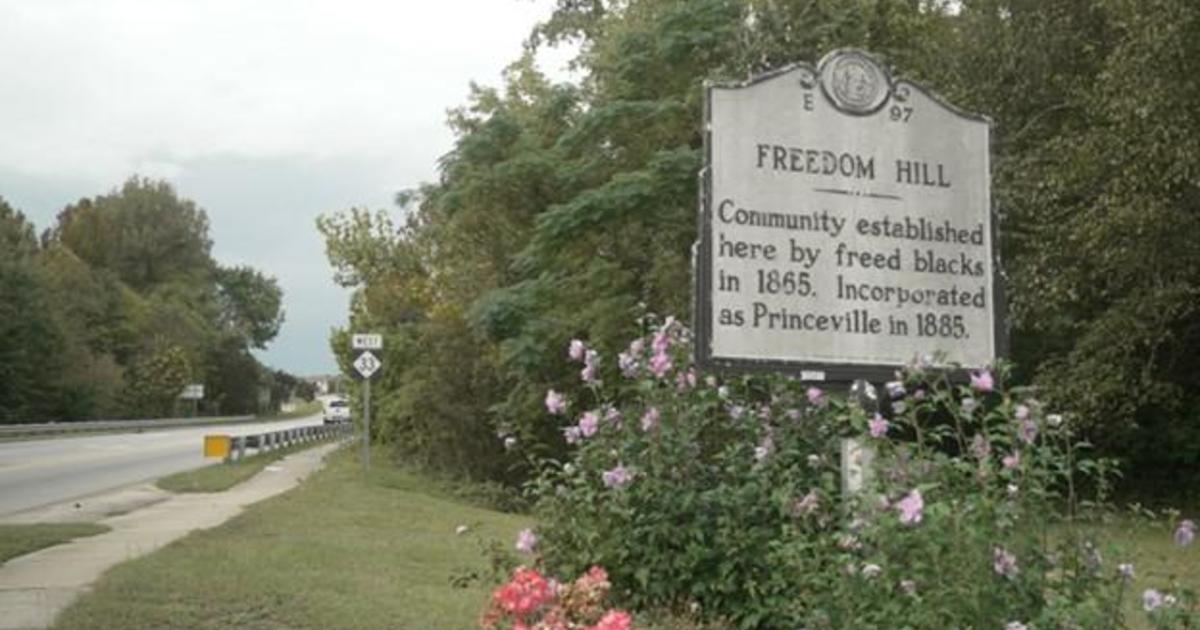
The 1st Congressional District holds a unique place in American history, with some of the oldest Black communities in the country. Princeville, the oldest town chartered by African Americans following the Civil War, embodies a legacy of resilience and political activism. Despite facing frequent flooding that threatens its residents, Princeville has been the recipient of federal funding under the Biden administration’s climate infrastructure initiatives.
Mayor Bobbie Jones of Princeville has been at the forefront of efforts to protect the town from flooding and secure resources for essential infrastructure projects. The town’s recognition under President Biden’s Justice40 initiative signifies a commitment to addressing environmental challenges in disadvantaged communities like Princeville.
The sense of community engagement and civic responsibility is palpable in Princeville and neighboring Warren County. Rev. Bill Kearney and other community leaders are dedicated to educating younger generations about the historical movements that have shaped their region. The legacy of environmental justice activism, stemming from protests against toxic waste dumping in the 1980s, continues to inspire local residents to advocate for their rights and well-being.
Wayne Mosely, a White resident who participated in the PCB protests, acknowledges the transformative impact of these demonstrations on race relations and political representation in the county. The solidarity displayed between Black and White community members during the protests marked a significant turning point in local history.
Former Representative Eva Clayton, the first Black woman elected to Congress from North Carolina, emphasizes the importance of mobilizing rural Black communities in the Black Belt region. She underscores the need for Democratic campaigns to engage with overlooked rural voters to secure victory in both the 1st District and the state for Democratic candidates.
Organizations like Woke Vote are actively working to increase voter turnout and political engagement in rural Eastern North Carolina. Community leaders, including Tilda Whitaker-Bailey and Pastor Douglas Leonard, are rallying their congregations and neighbors to register to vote and participate in the democratic process. The legacy of past struggles and the sacrifices made by ancestors serve as a powerful motivator for community members to exercise their right to vote.
As the 1st Congressional District prepares for a closely contested election, the residents of Princeville and surrounding areas are mobilizing like never before. The spirit of resilience, activism, and unity that has defined this historic region for generations continues to inspire a new wave of civic engagement and political participation. In the heart of the Black Belt, the power of the vote remains a potent force for change and progress.