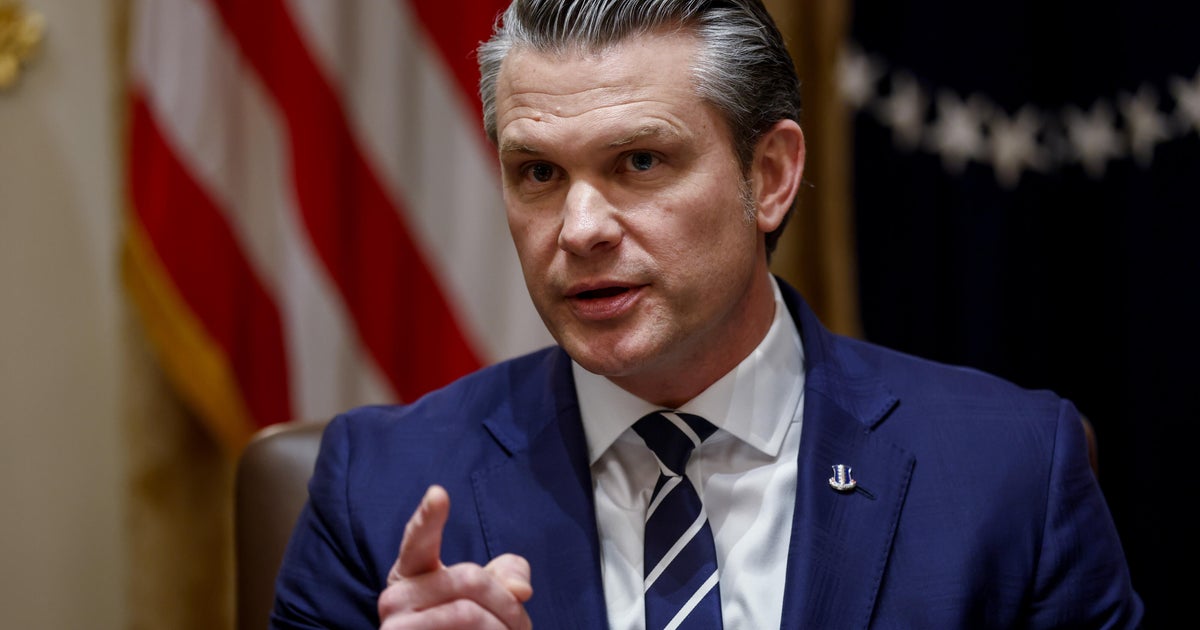
As tensions continue to simmer and congressional scrutiny intensifies, Defense Secretary Pete Hegseth is set to testify before the House Armed Services Committee on April 29th, potentially providing critical insights and updates on the ongoing U.S. conflict with Iran. This session marks the first such public testimony since Hegseth assumed his role amid escalating confrontations following President Trump’s ordered military strikes against Iran on February 28.
The upcoming hearing, confirmed by two sources familiar with these plans, is not yet cemented in terms of its timing but is intended to fall under the committee’s routine oversight of the Department of Defense and its annual budget request, suggesting that budgetary discussions could intertwine with strategic evaluations of the Iran conflict.
This appearance by Hegseth at Capitol Hill is anticipated eagerly by both policymakers and the public, as it promises a sworn, transparent discussion of the administration’s military actions and strategic direction in Iran—a topic of hot debate and significant consequence. Recent weeks have seen rising concerns over the administration’s handling of the conflict, with price hikes in markets and a notable increase in U.S. gas prices, which have breached $4 a gallon for the first time in nearly four years due to regional instabilities accentuated by the ongoing conflict.
Lawmakers have expressed frustration over the perceived opacity of the Trump administration’s strategy. A classified briefing held by the House Armed Services Committee last Wednesday left many members, from both parties, clamoring for more clarity. Following the session, Mike Rogers, the committee chair, conveyed to reporters that the administration officials were “very constrained” and “tight-lipped,” not offering satisfactory details necessary to reassure Congress on the strategy moving forward.
In particular, Rogers highlighted that during the briefing, when questions about planning and potential troop movements were raised, they were met with non-committal responses, exacerbating concerns over a pattern of limited information sharing from the administration. Such gaps pose not just logistical questions but could also impact the level of support or opposition within Congress towards the administration’s course of action.
Adam Smith, the top Democrat on the committee, underscored the ambiguity in the administration’s responses as well, pointing to a lack of a clear roadmap from the administration on how it aims to achieve its objectives in Iran. He noted that discussions on potential troop deployments lacked specific answers, leaving substantial gaps in Congressional understanding of the forward path.
Representative Jason Crow from Colorado voiced similar apprehensions, pinpointing the protection of U.S. forces — approximately 50,000 troops stationed in a volatile situation — as his paramount concern. Like his colleagues, Crow indicated more questions than answers were forthcoming from the administration about measures to safeguard these forces.
The demands for clearer answers have found formal expression as well: all House Armed Services Committee Democrats, led by Smith, sent a letter demanding an immediate public hearing with Pentagon officials on Friday. They raised critical points about the lack of transparency, shifting objectives of the administration, and looming questions concerning costs, including a potential $200 billion supplemental, alongside the controversial possibility of employing U.S. ground forces.
While Democratic representatives express profound unease, some Republicans also maintain specific reservations. Representative Derrick Van Orden emphasized his staunch opposition to deploying ground troops, despite being open to providing the military with necessary resources to operate effectively in the region.
Amidst these voiced concerns, House Speaker Mike Johnson attempted to dampen fears regarding the information flow, highlighting his regular updates from and contact with top administration officials, including President Trump himself. Johnson also expressed his intention to ensure that Mike Rogers receives all the additional details he requires.
As the conflict surges into its second month without a clear resolution, Secretary Hegseth hinted at a decisive turn in the coming days. The administration maintains a confident stance on the campaign’s trajectory, yet the broader economic implications are palpable, especially given the heightened gas prices impacting U.S. citizens directly.
This pivotal moment for Hegseth’s administration, the U.S. military strategy in Iran, and indeed for global economic stability will therefore play out under intense scrutiny as he prepares to address the House Armed Services Committee later this month, with national and international eyes watching closely. The clarity and direction provided in this testimony could well shape the legislative and public response to the ongoing military and economic upheavals associated with the Iran conflict.