The arrest of a Virginia man for planting explosive devices near political headquarters in Washington, D.C. spotlights the continuing probe into violent political acts surrounding the January 6th Capitol riot. On a chilling evening on January 5, 2021, two pipe bombs were discreetly planted outside the Democratic National Committee (DNC) and the Republican National Committee (RNC) buildings. It was not until the chaos of the following day, when rioters stormed the Capitol, that the devices were discovered—unexploded but fully operational and dangerously close to potentially exacting disastrous consequences.
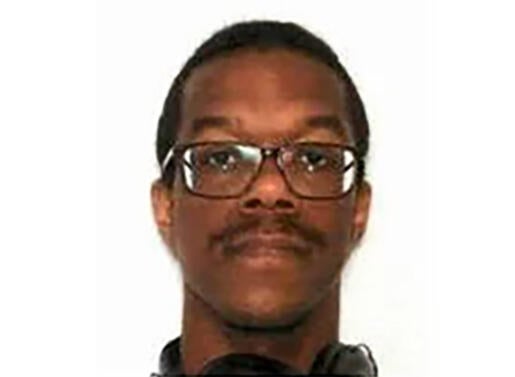
Brian Cole Jr., aged 30 from Woodbridge, Virginia, became the first suspect apprehended in connection with the long-standing case, nearly two years after the incidents that shook the nation. Federal agents, led by Attorney General Pam Bondi, unveiled his arrest in a detailed news conference on Thursday. Cole faces serious charges relating to the use of an explosive device, with the potential of additional charges as investigators continue to unfold the layers of this complex case.
Living in a quiet suburban part of Woodbridge just outside the bustling capital, Cole spent his days working in a bail bondsman’s office and residing with his family. According to documents released by the FBI, Cole was closely linked to the activities and locations relevant to the January 5 incidents. Surveillance footage and cellphone records placed him in the vicinity of both the DNC and RNC headquarters at the critical times when the bombs were believed to have been planted. Further, his vehicle was recorded by a license plate reader less than half a mile from where the images captured an individual fitting his description.
Despite these findings, officials remained tight-lipped about the possible motives behind Cole’s actions, emphasizing the ongoing nature of their investigations. At the news briefing, Bondi stated, “It’s ongoing, but America’s safer, D.C.’s safer because he’s in custody.” No direct connection between Cole and the following day’s Capitol riot has been established or discussed in the criminal charges or by the prosecuting officials publicly.
The gravity of this arrest cannot be overstated. The discovery of the pipe bombs coincided with a period of extreme turmoil as law enforcement was stretched to its limits while attempting to manage the escalating violence at the Capitol. The devices, constructed from metal pipes, timers, and an explosive powder, posed a significant threat. They were found only because of the heightened security measures resultant from the day’s earlier events. Among those who were at risk was then Vice President-elect Kamala Harris, who was evacuated from the DNC headquarters shortly after the bombs were found.
Significant efforts had been made to solve this case, highlighting its complexity and the challenges in tracing the origins of such covert threats. Speculation around the intentions and identity of the perpetrator had swirled, with the FBI releasing grainy surveillance footage of a potential suspect and offering a hefty $500,000 reward for information leading to an arrest.
Federal resources were intensely directed towards this investigation due to its serious implications and the context of national unrest. FBI Director Kash Patel remarked on the diligence of the investigative team, describing them as “the best at what they do in their specific fields.” This commitment underscores the priority given to solving a case that lingered as an open threat to security and political sanctity.
DNC Chair Ken Martin expressed his relief and gratitude following the breakthrough in the investigation, reflecting on the years of painstaking efforts by the law enforcement community. “Those responsible for this horrific act must be brought to justice, and political violence should never be accepted in America,” he articulated.
The broader implications of this arrest are profound, reaching beyond the immediate legal repercussions for Cole. It symbolizes a pivotal moment in addressing the surge of politically motivated violence emerging around significant national events. The operation not only draws attention to the persistence and depth of federal law enforcement investigations but also sends a clear message about the consequences of undermining democratic processes and safety.
As the case develops, and more details potentially surface, the public and authorities alike will be keen to understand the full narrative—what drove a seemingly average citizen to such extreme, dangerous actions? This arrest not only provides a partial answer to the long-standing mystery surrounding the January 5 pipe bombs but also ignites crucial discussions on the security measures and intelligence operations that are fundamental to national safety and the preservation of democratic institutions.