UNICEF, the United Nations International Children’s Emergency Fund, is renowned for its dedication to protecting and supporting children around the world. As each year begins, UNICEF looks forward to identifying potential risks that children may face and suggests strategies to mitigate harm. In their latest report titled “Prospects for Children 2025: Building Resilient Systems for Children’s Futures,” UNICEF highlights the urgent need to strengthen national systems to safeguard children from crises and ensure they have access to essential support.
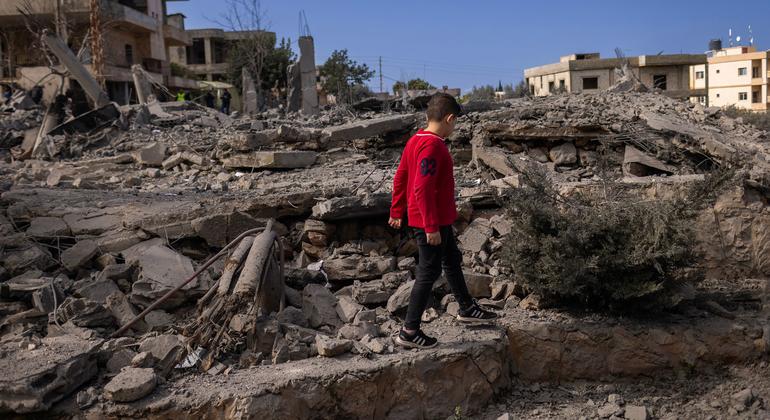
The report delves into the key trends expected to impact children in 2025, shedding light on critical issues that require attention and action. One of the most alarming projections is the doubling of children living in conflict zones. The escalation of armed conflicts poses significant threats to children worldwide, with over 473 million children currently residing in conflict-affected areas. This staggering number accounts for more than one in six children globally, marking a sharp increase in the percentage of children living in conflict zones over the past few decades.
The prevalence of armed conflicts has reached unprecedented levels since World War II, with geopolitical tensions and the disregard for international laws designed to protect civilians exacerbating the situation. Both state and non-state actors are increasingly willing to target civilian infrastructure, including schools and hospitals, leading to a rise in civilian casualties and displacement. The unraveling of efforts to safeguard civilians has had a profound impact on children, exposing them to risks of starvation, disease, displacement, and psychological trauma.
The report emphasizes the urgent need for a concerted and sustained effort to reverse the losses experienced in recent years and protect children in conflict zones. It calls for stronger multilateral responses to effectively address the complex challenges faced by children living in conflict-affected areas.
In addition to the escalating conflicts, the report highlights the financial strain on governments in developing countries, hindering their ability to invest in children’s well-being. Slow economic growth, mounting debt, inadequate tax revenues, and limited development assistance have made it increasingly challenging for governments to prioritize investments in children. The burden of sovereign debt has further exacerbated the situation, with nearly 400 million children living in countries facing debt distress.
Without significant reforms, the report warns that the number of children affected by debt-related challenges will continue to rise, jeopardizing essential investments in children’s education, healthcare, and overall well-being. The report underscores the need for comprehensive reforms to the global financial system to ensure that governments can adequately prioritize children’s needs and invest in their future.
Moreover, the report underscores the irreversible consequences of the climate crisis on children’s lives. Children are disproportionately affected by climate change, with long-lasting impacts on their development, health, education, and overall well-being. The year 2025 presents a critical opportunity to make meaningful progress towards global climate goals through robust policymaking, equitable financing, and strong regulatory measures.
UNICEF’s report serves as a stark reminder of the urgent need to prioritize children’s well-being and protection in the face of escalating conflicts, financial challenges, and the climate crisis. It calls for collaborative efforts at the national and international levels to build resilient systems that can safeguard children’s futures and ensure their access to essential support and resources.
As we navigate the challenges of the year ahead, it is imperative that we heed UNICEF’s call to action and prioritize the well-being of children, who are the most vulnerable and deserving of our protection and support. Only through concerted efforts and collective action can we create a safer and more secure world for all children, regardless of their circumstances.