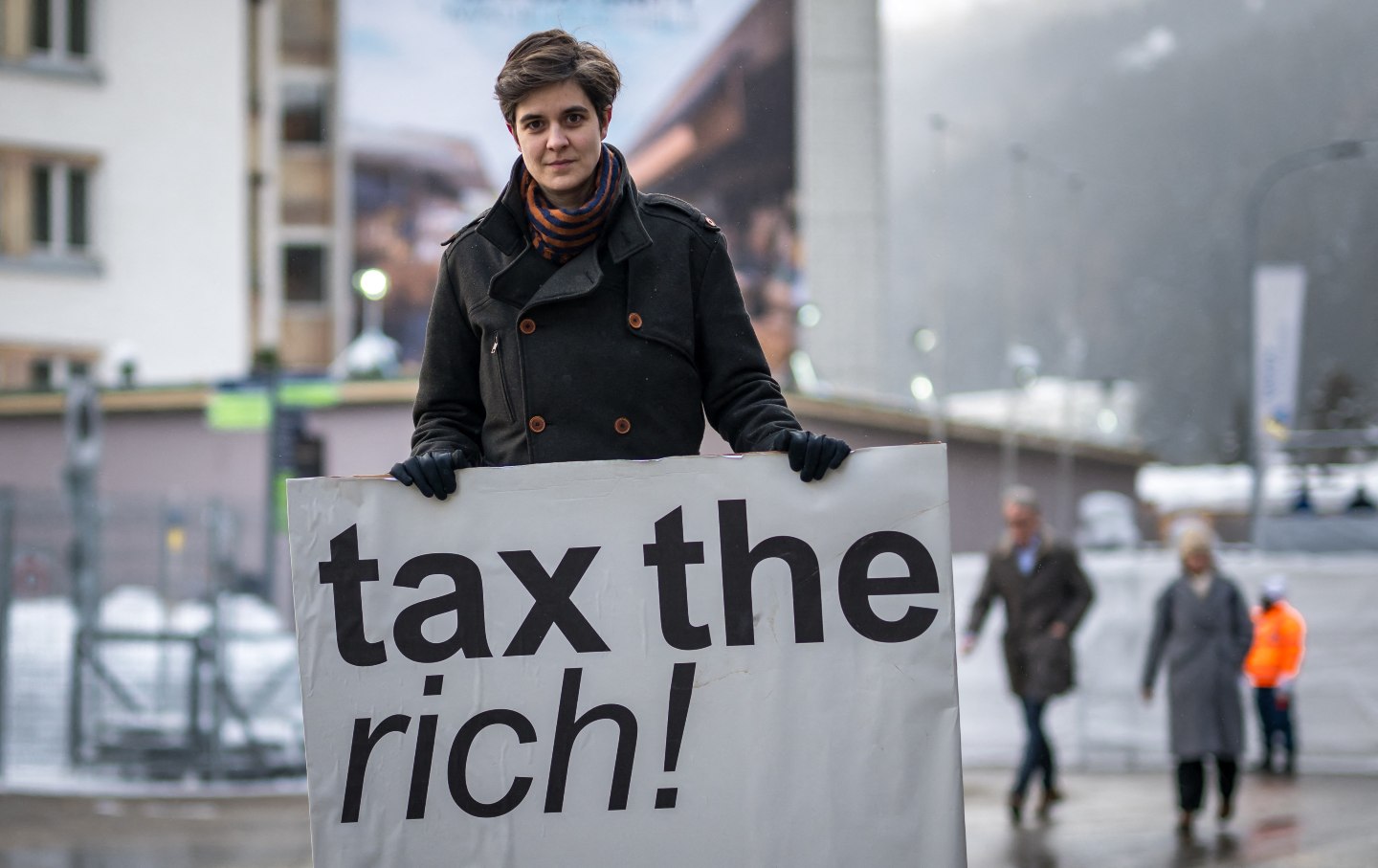
Marlene Engelhorn, an Austrian heiress, has taken matters into her own hands by forming an assembly of everyday people to redistribute her wealth. In an effort to address wealth inequality and the power of democracy, Engelhorn sent a letter to 10,000 randomly selected Austrians, asking for their opinions on wealth distribution. Those who returned the survey became eligible to join the assembly, which will decide how to distribute €25 million ($27 million USD) over the course of six weekends. This initiative, called the Guter Rat für Rückverteilung (Good Council for Redistribution), aims to prove that people can make good decisions when given the power to do so.
Citizens’ assemblies, like the Guter Rat, have been convened in about two dozen nations over the past 20 years to address various issues. Austria has been a leader in this practice, with the most prominent assembly being the Klimarat in 2022, which aimed to address climate change but was largely ignored by the government. The Guter Rat follows a similar structure to the Klimarat, with the assembly meeting for six weekends to deliberate on wealth distribution. The assembly’s conclusions must be reached through consensus, meaning all 50 members must agree on how to distribute the money.
Engelhorn’s beliefs are embedded in the process, as she helped decide which experts would speak at the assembly and which topics needed to be included. However, she has restricted where the money can go, prohibiting donations to organizations that promote racism, xenophobia, deny climate change, campaign against higher taxes, or fund religious groups. Any other outcome that addresses wealth inequality is fair game, including giving money to individual people or implementing a universal basic income (UBI) style.
The Guter Rat is not only about wealth redistribution but also an exercise in democracy. The assembly will spend its first meeting deciding how to make decisions together and negotiate conflict. The process is designed to be accessible to all, with expenses covered, interpreters available, and dietary options that account for religious practices. The entire process, including budget and expert presentations, will be available online for anyone to learn from.
Engelhorn hopes that even if the assembly fails to redistribute the money, the project will serve as a beacon for more projects like it. She believes that this initiative could be used worldwide if governments or those behind them are too greedy. Ultimately, Englehorn wants governments to tax the rich, but until that happens, she is taking matters into her own hands to address wealth inequality.