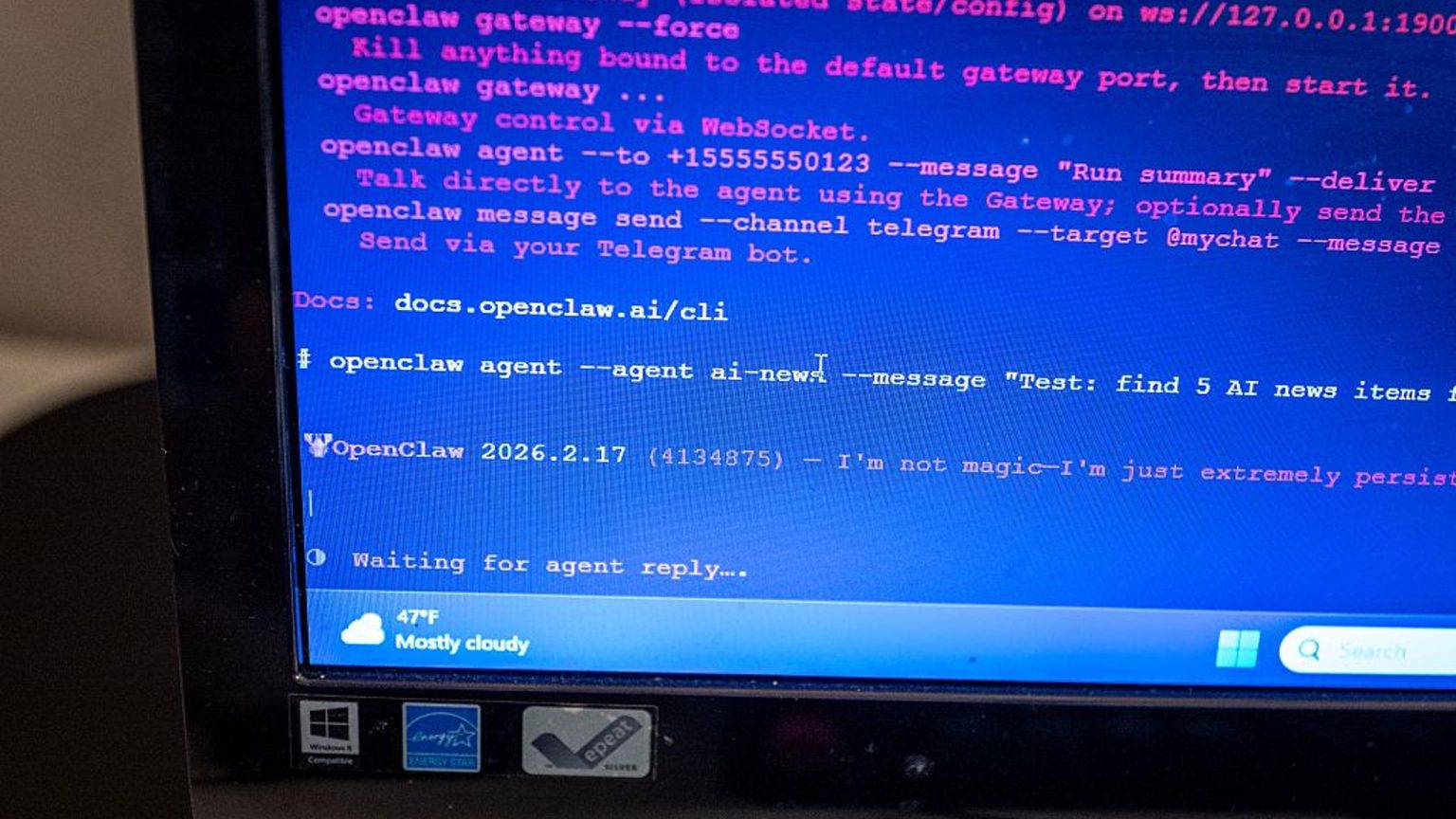
Recent advancements in artificial intelligence can be categorized into three main phases. The first phase involved the development of chatbots that were designed to converse with users. The second phase saw these chatbots becoming proficient at using tools, allowing them to search the web and even write code. The most recent phase has been driven by the proliferation of new frameworks, such as the “OpenClaw” framework behind Moltbook’s success, which enable tool-using agents to be orchestrated in fleets, akin to virtual firms with multiple agents working together.
These new frameworks allow for the organization of multiple agents, running 24 hours a day, in a hierarchical manner to accomplish various tasks. For instance, in the context of building a website or digital product, a system like Claude Opus 4.6 could oversee a team of smaller Claude Sonnet models as they conduct market research, write and run code, and interact with digital platforms like WhatsApp and Discord. This system enables users to monitor progress through a manager like Opus, rather than directly interacting with the individual workers, emphasizing a shift from chat to code to a more orchestrated approach known as “claw.”
Although the term “agent” has been overused by corporations seeking to capitalize on AI hype, the underlying technology has indeed become more intelligent over the past few years. AI systems are now capable of completing complex tasks, particularly in software development, and can operate for longer periods of time. The increase in model capability, coupled with new frameworks that enhance memory retention and persistent operation, has been instrumental in driving progress in the field of artificial intelligence.
The term “AI system” has become somewhat ambiguous, as it can refer to a single bot in a chat interface, a bot operating within a digital environment, or a more complex system involving multiple agents working together. This diversity in AI systems reflects the evolution of the technology, moving from simple chatbots to sophisticated tool-using agents orchestrated in fleets. As AI systems continue to advance, their capabilities in completing tasks and retaining memory are expected to improve further, leading to more efficient and effective applications in various industries.
Overall, the recent progress in artificial intelligence has been characterized by the development of new frameworks that enable the orchestration of multiple agents, the improvement in model capabilities, and the shift towards more complex and persistent AI systems. These advancements have paved the way for innovative applications in areas such as software development, digital product creation, and market research, showcasing the potential of AI to revolutionize various aspects of our daily lives.