In a significant turn of events following the recent shooting at the White House Correspondents’ Dinner, the legal team representing Cole Allen, the accused shooter, has put forward a request to disqualify U.S. Attorney for the District of Columbia Jeanine Pirro and other top Justice Department officials from his case. The reason cited for this request is their first-hand presence at the incident which, according to Allen’s defense, might lead to potential bias in handling the proceedings.
During a recent court filing on Thursday, Allen’s attorneys highlighted a quote from FBI Director Kash Patel spoken during a press conference he attended with acting Attorney General Todd Blanche and Jeanine Pirro just two days after the event. In this press conference, Patel was noted stating, “This one hits a little differently. We were all there,” referencing their attendance at the dinner during the incident. This interaction has been pivotal in the defense’s argument stating that Blanche’s and Pirro’s emotional proximity to the event as “purported victims and witnesses” disqualifies them from prosecuting the case impartially.
Cole Allen, aged 31, stands charged with several severe offenses, including an attempt to assassinate former President Donald Trump, assaulting a federal officer with a deadly weapon, and additional firearm-related charges. Yet, Allen has not entered a plea.
Further complicating the ethical landscape of this case is the relationship between Jeanine Pirro and Donald Trump. Allen’s attorneys pointed out Pirro’s long-standing friendship with Mr. Trump and her repeated references to being a “potential victim” of the shooting incident during several media appearances, notably mentioning in a CNN interview that she was in “that combat zone.” This personal connection and her vivid recounting of the events on media platforms have fueled arguments about potential conflicts of interest.
According to the motion, embracing internal Justice Department guidelines becomes crucial under these circumstances. These regulations urge employees to recuse themselves from investigations or cases where conflicts of interest or personal relationships with involved parties might interfere. Allen’s legal team has put these guidelines at the forefront of their argument to assert that the case’s integrity could be compromised if Pirro continues to be involved.
As the case proceeds, global and national observers might question the fairness of the American justice system should it allow alleged victims or their close associates to partake directly in prosecuting the case, Allen’s lawyers argued in their motion. Thereby, their request emphasizes the potential impairment not just of the case’s integrity but also of the public’s trust in the system.
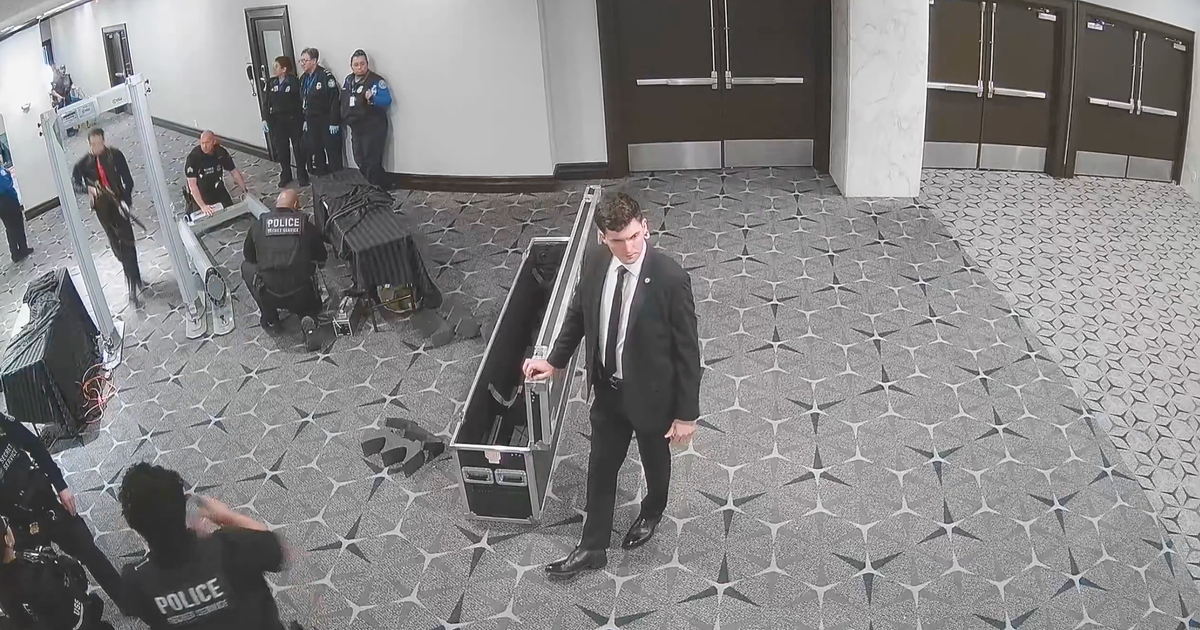
According to reports, on the night of the incident, Allen breached security measures at the correspondents’ dinner, armed robustly with a handgun, a shotgun, and several knives. He reportedly sprinted through a security checkpoint and unleashed his shotgun at an officer, striking the officer’s protective vest. In the heated moments that followed, the officer retaliated by firing five rounds, though none hit Allen, ultimately leading to Allen’s arrest without further physical injuries to others.
The allegations further spiral as investigations unfold that Allen purportedly sent an email to family members on the night of the dinner, divulging plans to target Trump administration officials, ranked from “highest-ranking to lowest.” The detailed plans in the manifesto and the range of high-profile figures present at the dinner underscore the chilling severity and premeditation attributed to Allen’s intents.
As this deeply unsettling case unfolds, it highlights not only the direct consequences of the alleged actions taken by Cole Allen but also the broader implications concerning judicial ethics and the critical discussions around how justice is administered in cases involving high-ranking officials and notable public figures.
The Justice Department, as of now, has not publicly responded to the defense’s motion to disqualify Jeanine Pirro and associated officials. This matter brings forward an array of pressing questions about the protocols and personal involvements that could influence the administration of justice in potentially precedent-setting ways.
In conclusion, the Cole Allen case not only involves a critical criminal investigation but also triggers important dialogues about fairness, bias, and the appropriate boundaries within the justice system. As we watch this case evolve, it will undoubtedly serve as a significant case study in legal ethics and the administration of justice in complex scenarios involving public figures and governmental officials.