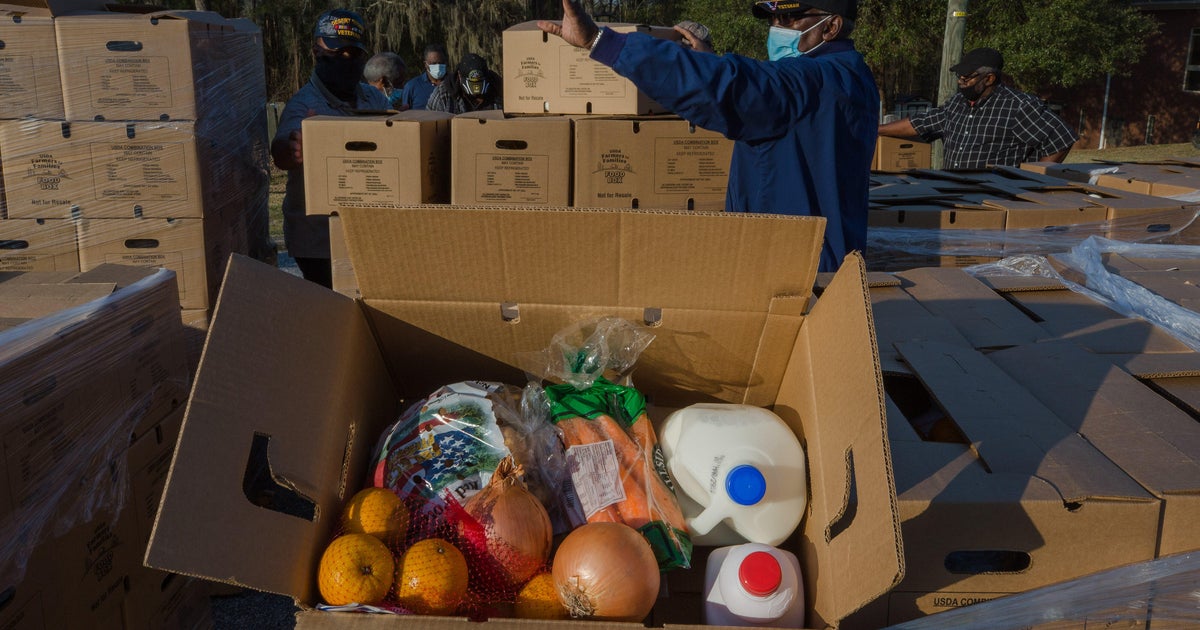
In a significant policy shift, President Trump’s administration is considering implementing major changes to a modest-sized food aid initiative that supports low-income seniors in obtaining additional nutrition. As part of next year’s proposed budget, the Trump administration suggests making cuts to the Commodity Supplemental Food Program (CSFP) and replacing it with a new system that supplies what are referred to as “MAHA food boxes,” named in alignment with Health and Human Services Secretary Robert F. Kennedy Jr.’s initiative to “Make America Healthy Again”.
CSFP currently operates with a budget of approximately $389 million and annually aids about 730,000 low-income seniors according to details from the USDA. This program provides these seniors with essential dietary supplements, and its cutting could potentially impact numerous vulnerable individuals across the nation. The new proposal suggests that MAHA food boxes, containing agricultural goods sourced directly from domestic farmers, would serve as a direct replacement to the current distribution of aid supplied through CSFP.
The distinctive MAHA food boxes are part of an envisioned broader domestic agricultural policy that aims to renew and energize the relationship between local agricultural production and national food security. By routing commodities directly to American households, this initiative would aim to eliminate what the administration views as unnecessary layers of administration and distribution in the handling of food aid. The USDA, under the Trump administration’s guidance, has indicated that MAHA food boxes could “supplant or complement” existing USDA programs, though details on the integration with other programs remain under wraps.
Programs potentially affected include SNAP (Supplemental Nutrition Assistance Program), commonly known as food stamps, which received about $100 billion last year to support 41 million Americans, as well as other well-known initiatives such as the assistance for Women, Infants and Children (WIC) and the National School Lunch Program.
George Matysik, executive director of the Share Food Program based in Philadelphia, raised concerns about the overhauling of CSFP. He emphasized the effectiveness of the current system in providing aid to seniors, many of whom depend on shelf-stable foods due to difficulties in regularly accessing fresh markets. Matysik highlighted the logistical obstacles involved in sourcing perishable goods directly from farms to seniors, considering the potential lack of infrastructure to support such a supply chain effectively.
In Philadelphia, the Share Food Program distributes 32-pound food boxes to more than 7,000 qualifying seniors, relying significantly on the funds from CSFP. These boxes arguably contain healthier options such as canned vegetables and lean proteins. The worry expressed was not just the alteration of food type but the practical delivery method, which currently ensures direct doorstep delivery catering specifically for seniors who may find it physically challenging to shop for groceries.
Beyond the operational concerns, the broader implications of this proposed budget cut reflect the Trump administration’s ongoing strategy to recalibrate federal spending, which includes the controversial decision to sever approximately $1 billion of federal funds previously destined for food banks and school meals.
MAHA, as driven by Kennedy’s leadership in the HHS, aligns with his broader campaign against processed foods and synthetic additives, advocating for more natural dietary options in American diets. Moreover, the initiative complements Secretary Brooke Rollins’ openness within the USDA to implement programs like Arkansas’ plan to restrict SNAP purchases, which bans items like soda and candy, despite criticism about potentially stigmatizing low-income citizens.
The underlying narrative from Matysik and similar voices in the non-profit sector is one of apprehension for the seniors who might find themselves caught in a precarious situation due to federal re-budgeting. Amidst other cuts to crucial programs like SNAP, Medicaid, and Medicare, the vulnerability of seniors appears exacerbated, raising serious concerns about their future well-being if these proposed changes are implemented.
The tumultuous transformation envisaged by the Trump administration, symbolized by the shift from CSFP to MAHA food boxes, not only rests on redefining nutritional logistics but also starkly describes the political discourse surrounding public welfare and dependency in America. As the discussion advances, stakeholders from various sectors continue to watch closely, awaiting clearer implementation strategies and hoping for a sustainable compromise that prioritizes public health without jeopardizing the nutritional security of vulnerable populations.