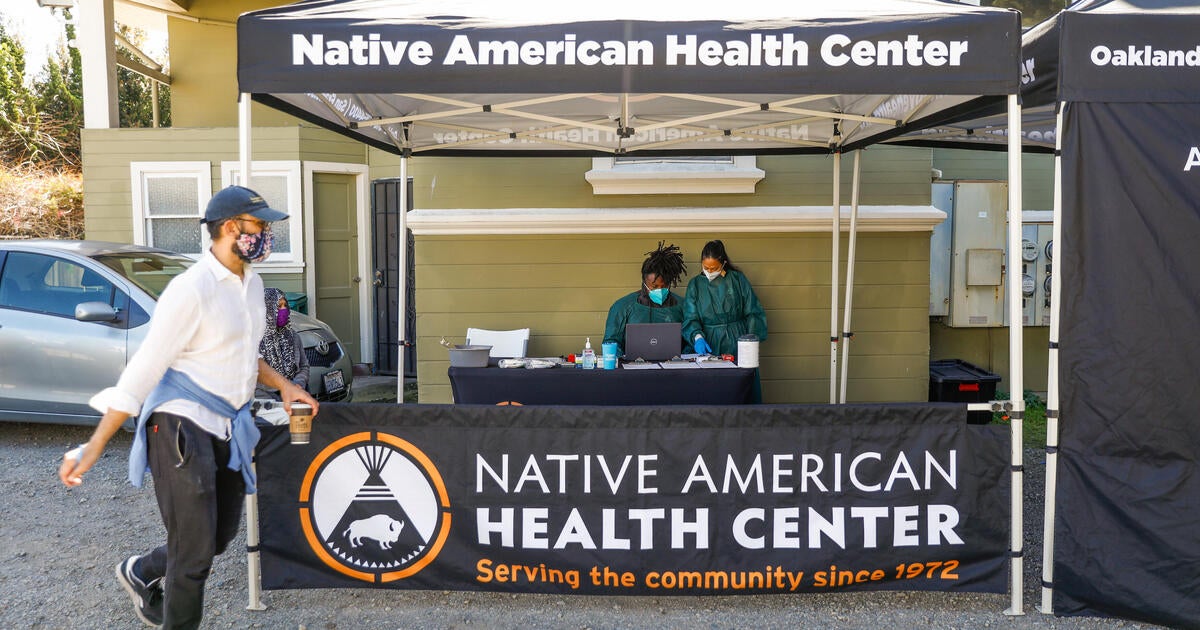
As the debate over potential cuts to federal Medicaid funding rages on in Congress, health centers that serve Native American communities are preparing for dire consequences. One such facility, the Oneida Community Health Center near Green Bay, Wisconsin, is facing the possibility of devastating cutbacks that could have a significant impact on the patients it serves.
The Oneida Community Health Center caters to over 15,000 patients, with more than 40% of them relying on Medicaid for their healthcare needs. Debra Danforth, the director of the Oneida Comprehensive Health Division and a member of the Oneida Nation, expressed deep concern over the potential cuts, stating that it would be a tremendous blow to both the patients and the facility itself. The center offers a wide range of services, including ambulatory care, internal medicine, family practice, and obstetrics, to not only the Oneida Nation’s 17,000 people but also to members of any federally recognized tribe due to its open-door policy.
The impact of Medicaid cuts on tribal health facilities that serve Native Americans extends beyond just the Oneida Community Health Center. Many tribal health officials are warning that such cuts could lead to service reductions across Indian Country. Medicaid plays a crucial role in helping tribes cover funding shortfalls from the Indian Health Service, the federal agency responsible for providing healthcare to Native Americans. It accounts for about two-thirds of third-party revenue for tribal health providers, ensuring financial stability and aiding in covering operational costs. Additionally, over a million Native Americans enrolled in Medicaid or the Children’s Health Insurance Program rely on the insurance to access care outside of tribal health facilities without facing significant medical debt.
Tribal leaders are urging Congress to exempt tribes from any potential cuts to Medicaid, emphasizing that it is a crucial component of the federal government’s trust and treaty obligations to provide healthcare to Native communities. Liz Malerba, the director of policy and legislative affairs for the United South and Eastern Tribes Sovereignty Protection Fund, a nonprofit advocacy organization representing 33 tribes from Texas to Maine, stressed the importance of Medicaid in fulfilling these obligations and viewed any cuts as a breach of responsibility.
Providing healthcare to Native American populations presents unique challenges due to severe health disparities, high rates of chronic illness, and low life expectancy, particularly in western states where life expectancy can be as low as 64 years. Despite these challenges, some tribes have made strides in expanding access to care for their communities by adding health services and providers, with Medicaid reimbursements playing a key role in enabling these expansions. For example, in Montana, five urban Indian organizations saw nearly $3 million in funding growth over the last two fiscal years, highlighting the positive impact of Medicaid reimbursements on tribal healthcare services.
The potential cuts to Medicaid funding have sparked concern and uncertainty among tribal health providers and leaders. The fear of reduced services, increased financial strain, and limited access to care looms large over Native American communities that rely on these critical healthcare programs. As Congress deliberates on the future of Medicaid funding, tribal leaders and advocates are mobilizing to protect these vital resources and ensure that Native Americans continue to have access to quality healthcare services. The stakes are high, and the fight to preserve Medicaid funding for Native communities is more important than ever.