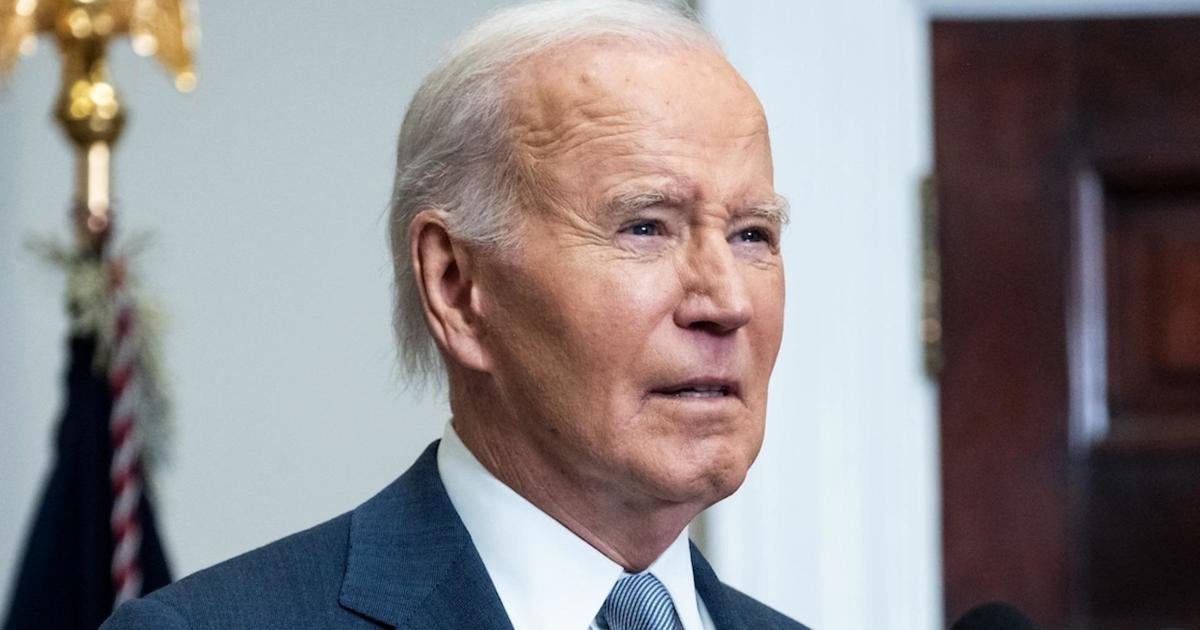
President Biden’s decision to grant clemency to 37 of the 40 federal inmates facing death sentences has sparked a significant political and ethical debate. The three inmates who did not receive clemency are the convicted murderer in the Tree of Life Synagogue shooting, the gunman at Mother Emanuel Church in Charleston, and the surviving Boston Marathon bomber. This decision by President Biden comes as a bold move, given the polarizing nature of the death penalty in the United States.
The announcement of clemency for these federal inmates comes at a time when the Justice Department had instituted a moratorium on executions in 2021 to review policies and procedures. President Biden’s decision contrasts with President-elect Trump’s stated intention to resume executions and potentially expand the crimes that qualify for capital punishment.
In his statement announcing the commutations, President Biden referenced his concerns about a new administration resuming executions that he had halted. He emphasized that the commutations were consistent with the moratorium his Administration had imposed on federal executions, except in cases of terrorism and hate-motivated mass murder. This decision reflects President Biden’s personal convictions, shaped by his experiences as a public defender, chairman of the Senate Judiciary Committee, Vice President, and now President.
The American Civil Liberties Union (ACLU) Executive Director Anthony D. Romero praised President Biden’s decision, calling it a historic and courageous step towards addressing the failures of the death penalty in the United States. Romero highlighted the move as bringing the country closer to outlawing the practice and commended President Biden for taking a significant step towards addressing the immoral and unconstitutional harms of capital punishment.
The decision to grant clemency to these federal inmates is likely to have far-reaching implications and could set a precedent for future administrations. The debate surrounding the death penalty is not new in American politics, with strong arguments on both sides of the issue. President Biden’s decision reflects his stance on the death penalty and his commitment to upholding his beliefs, even in the face of opposition.
The role of the President in granting clemency and pardons is a constitutional power that has been the subject of much debate and scrutiny. While some may criticize President Biden’s decision, it is within his authority to grant clemency to these individuals facing death sentences. The ethical considerations of the death penalty, including questions of morality, justice, and deterrence, continue to be at the forefront of public discourse.
As the news of President Biden’s clemency decision spreads, it is likely to spark further discussions on the death penalty and its place in American society. The President’s actions will be closely watched and analyzed by lawmakers, advocates, and the general public. The impact of this decision on the criminal justice system and the broader legal landscape remains to be seen.
In conclusion, President Biden’s decision to grant clemency to 37 federal inmates facing death sentences is a significant and controversial move. The debate surrounding the death penalty in the United States is complex and multifaceted, with strong opinions on both sides of the issue. President Biden’s decision reflects his personal beliefs and convictions, as well as his commitment to addressing the failures of the death penalty system. As the country continues to grapple with questions of justice, morality, and punishment, President Biden’s decision will undoubtedly shape the conversation on the death penalty for years to come.