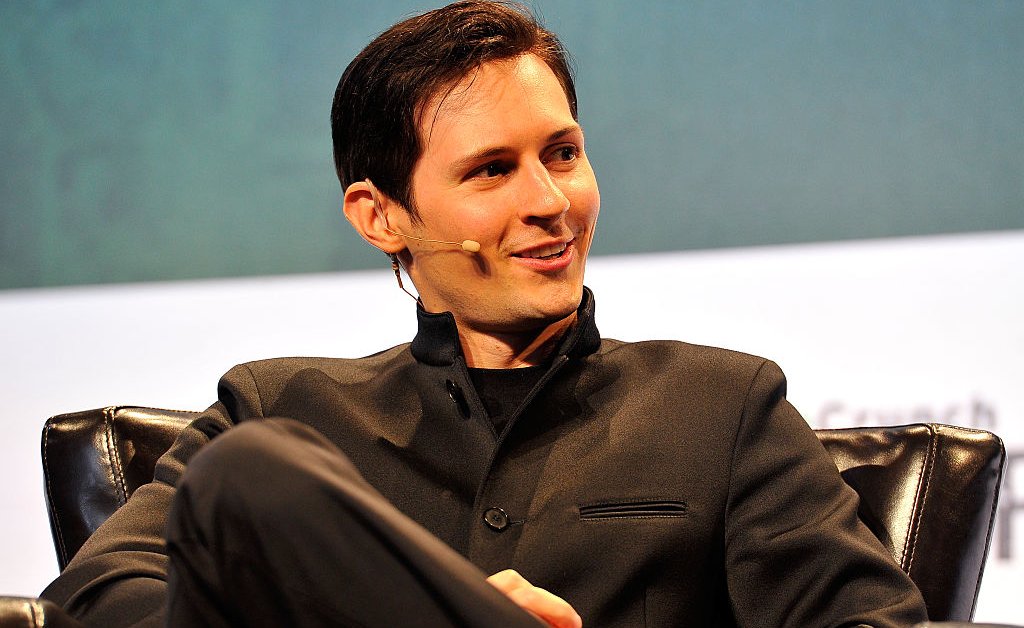
Pavel Durov, the founder and CEO of Telegram, made headlines earlier this year for reaching 900 million users and nearing profitability. However, he is now in the news for a different reason after being arrested at the Paris Le Bourget airport on charges related to the spread of illicit material on Telegram. Despite this, Telegram maintains that they abide by E.U. laws and that Durov has nothing to hide, claiming it is absurd to hold the platform or its owner responsible for abuse.
Durov has been a prominent figure in the app-creating industry for years, emphasizing the importance of free speech and allowing others to express their freedom through the platforms he has created. In a rare interview with Tucker Carlson, Durov discussed his mission to promote freedom and how it has always been more important to him than becoming rich. With public interest in Durov at an all-time high, it is important to understand his background and the impact he has had on the tech industry.
Known as the “Mark Zuckerberg of Russia,” Durov co-founded Telegram and the social media platform VK, contributing to his reputation as a business mogul in the tech world. Despite facing legal challenges, Durov has continued to prioritize free speech and user privacy in his platforms, emphasizing the importance of allowing individuals to express themselves freely.
Telegram has faced scrutiny in the past for its role in enabling the spread of illicit material, but the company maintains that it follows industry standards and is constantly improving its moderation practices. Durov’s arrest in Paris highlights the challenges faced by tech companies in balancing freedom of expression with legal responsibilities, as governments around the world seek to regulate online content.
As Durov’s legal situation unfolds, it will be important to monitor how it impacts Telegram and the broader tech industry. Durov’s commitment to freedom of speech and user privacy has been a defining feature of his career, and his continued advocacy for these principles will likely shape the future of his platforms and influence the ongoing debate over online content moderation.