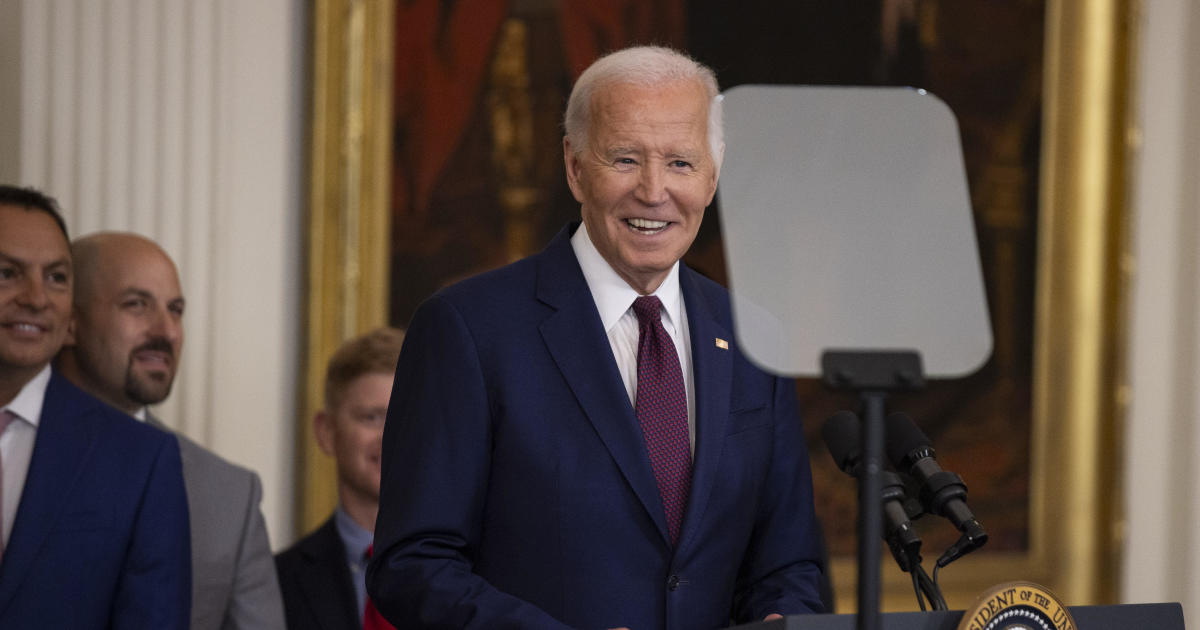
President Joe Biden and First Lady Jill Biden are set to visit New Orleans to promote the Biden Cancer Moonshot initiative, a program aimed at preventing cancer deaths and improving the care of those affected by cancer. The Department of Health and Human Services recently awarded nearly $9 million to enhance access to cancer screenings and follow-up treatments in underserved communities as part of the initiative’s efforts to expand preventive cancer care.
The Cancer Moonshot initiative was relaunched two years ago with the ambitious goals of preventing 4 million cancer deaths by 2047 and enhancing the overall experience of individuals impacted by cancer. Since its relaunch, the initiative has formed partnerships with the private sector, including collaboration with the country’s largest health insurers to increase access to services that assist patients and their families in navigating cancer treatments. Additionally, $100 million has been allocated for cancer prevention and treatment in Africa.
Despite the progress made by the initiative, concerns have been raised about the future of cancer research funding, particularly in light of the upcoming election. The program initially began under the Obama administration in 2016 and continued to receive funding during the Trump administration. However, funding for the Cancer Moonshot initiative decreased during the pandemic in 2020, raising uncertainties about its future sustainability.
Dr. Stefan Grant, director of the Tulane Cancer Center, expressed concerns about potential funding cuts in cancer research due to budget standoffs in recent years. Cancer remains the second-leading cause of death in the United States, with approximately 600,000 deaths annually. A new study predicts a 53% global increase in male cancer cases from 2022 to 2050, highlighting the urgency of continued research and funding in the field.
President Biden has a personal connection to the fight against cancer, having lost his son Beau Biden to brain cancer in 2015. This personal tragedy has fueled his commitment to advancing cancer research and improving patient care. One key focus of the Cancer Moonshot initiative is to encourage Americans to prioritize cancer prevention by undergoing screenings that may have been missed during the pandemic.
Research funded by the Cancer Moonshot is exploring innovative approaches to cancer detection, such as blood tests for early detection. The initiative also aims to address disparities in cancer treatment by increasing community engagement and advocating for more widespread cancer screenings. Dr. Joe Ramos, Director and CEO at the Louisiana Cancer Research Center, emphasized the importance of patient-centered care in the fight against cancer.
In Louisiana, where preventable factors like smoking, obesity, and inactivity contribute to a significant number of cancer cases, efforts are underway to promote community outreach and modify risk factors. Early detection of cancer through screenings can lead to more effective treatment options and improved outcomes for patients. Grant highlighted the challenges faced by individuals in accessing healthcare and emphasized the need for a more seamless healthcare system.
Despite bipartisan support for cancer research funding, concerns have been raised about the lack of specific funding allocated for the Cancer Moonshot initiative in recent congressional spending bills. Dr. Ramos underscored the importance of continued congressional funding for cancer research initiatives to maintain America’s leadership in the field. The potential impact of the upcoming election on cancer research funding remains a key concern for advocates in the healthcare community.
As the Biden administration continues to prioritize cancer research and patient care, the future of the Cancer Moonshot initiative hangs in the balance. Advocates are calling for sustained funding and support to ensure that progress in cancer prevention and treatment is not derailed. The fight against cancer remains a critical priority for policymakers, healthcare professionals, and advocates working to improve outcomes for patients and families affected by this devastating disease.