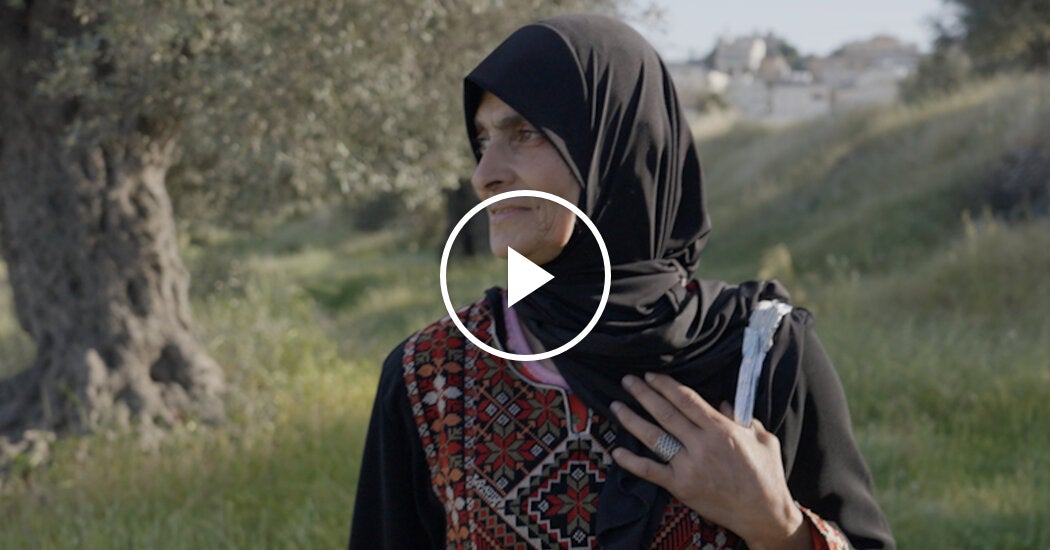
In the occupied West Bank, Palestinians are living in the shadow of the ongoing war in Gaza. The effects of this conflict have reverberated throughout the region, leading to increased raids and arrests, tightening security restrictions, settler violence, and economic turmoil. Two individuals, Laith Al-Muti and Wijdan Ziadeh, shared their experiences with us, shedding light on the ways in which their lives and livelihoods have been reshaped by the war.
Laith Al-Muti, a 29-year-old taxi driver and tour guide, now spends his days waiting at one of the Israeli-controlled checkpoints into Bethlehem. However, with barely any visitors passing through these days, his once bustling business has come to a standstill. Thirteen miles away in the Tel Rumeida area of Hebron, Wijdan Ziadeh faces similar challenges. Living in close proximity to an Israeli settlement, Ziadeh and other Palestinians in the area have felt a heightened sense of restriction on their movement since Oct. 7.
The city of Hebron is divided into two zones in terms of security control – H1, managed by the Palestinian Authority, and H2, where Ziadeh resides, managed by the Israeli military. The Israeli military has stated that the increased security measures in the West Bank are in response to terrorist operatives, including Hamas, and are meant to ensure the safety of all residents. However, Ziadeh and others in the area live in fear of settler aggression, with reports of increased hostility from their settler neighbors since the start of the war.
Incidents of settler violence against Palestinians in the West Bank have surged following Oct. 7, with the U.N. reporting nearly 950 attacks by June 2024. Palestinians in the region allege that the Israeli military often prioritizes the protection of settlers over the safety of Palestinian residents, leading to a culture of impunity for settler violence that has persisted for decades.
Both Al-Muti and Ziadeh express concerns for the future as they navigate the uncertainties brought about by the war. Former tourist hotspots like the Church of the Nativity in Bethlehem now sit empty, reflecting the broader economic impact of the conflict on the West Bank. As they look ahead, Al-Muti and Ziadeh, like many others in the region, are unsure of what lies in store for them.
The ongoing war in Gaza has cast a long shadow over the lives of Palestinians in the occupied West Bank, leading to a myriad of challenges that threaten to reshape the fabric of daily life in the region. From increased security measures and settler violence to economic instability and uncertainty about the future, individuals like Laith Al-Muti and Wijdan Ziadeh are navigating a complex and evolving landscape shaped by conflict and occupation.
For Laith Al-Muti, a taxi driver and tour guide in Bethlehem, the impact of the war is palpable in the empty streets and checkpoints that he now frequents. Once a bustling hub for tourists visiting historic sites like the Church of the Nativity, Bethlehem now stands eerily quiet as visitor numbers dwindle. Al-Muti’s livelihood has been upended as the flow of tourists has slowed to a trickle, leaving him with uncertainty about how to support himself and his family in the midst of economic turmoil.
Similarly, Wijdan Ziadeh, a resident of the Tel Rumeida area in Hebron, finds herself hemmed in by the presence of an Israeli settlement that encroaches on her daily life. Living in the H2 zone, under Israeli military control, Ziadeh and her neighbors contend with heightened security measures and a sense of vulnerability in the face of settler aggression. With reports of increased hostility from settler neighbors, Ziadeh fears for the safety of herself and her two sons, unsure of what the future may hold in a climate of escalating tension and violence.
The division of security control in Hebron reflects a broader pattern of occupation and control that defines daily life in the West Bank. The Israeli military’s presence in H2, ostensibly to ensure the safety of residents in the area, has often been criticized for prioritizing the interests of settlers over those of Palestinian residents. This dynamic has contributed to a culture of impunity for settler violence, with attacks on Palestinians going largely unpunished and perpetuating a cycle of fear and insecurity for those living under occupation.
The escalation of settler violence following the outbreak of war in Gaza has only served to exacerbate tensions and deepen the sense of unease among Palestinians in the West Bank. Reports of nearly 950 attacks on Palestinians by settlers since October 7 highlight the pervasive nature of this violence and the failure of authorities to hold perpetrators accountable. The U.N.’s documentation of these incidents underscores the urgent need for action to address the root causes of settler violence and protect the rights and safety of Palestinian residents in the region.
As Laith Al-Muti and Wijdan Ziadeh grapple with the challenges of daily life in the shadow of war, their stories echo those of countless others in the West Bank whose lives have been upended by conflict and occupation. The uncertainty of what lies ahead looms large, as they navigate a landscape shaped by insecurity, violence, and economic hardship. Despite the obstacles they face, Al-Muti and Ziadeh remain resilient in their determination to persevere and carve out a future for themselves and their families in a region marked by turmoil and uncertainty.